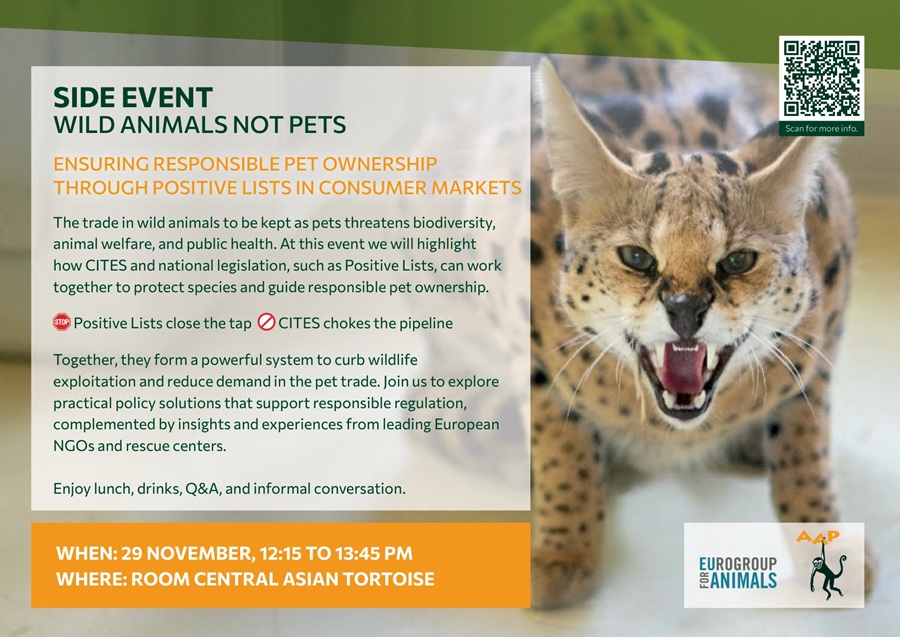
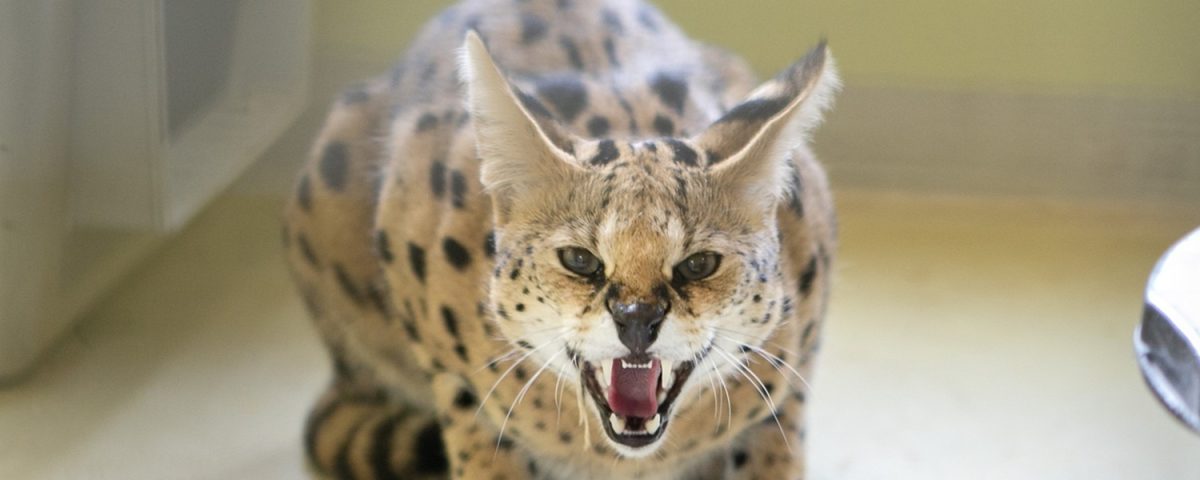

Serval hissing

AAP discusses solutions to protect wildlife and improve animal welfare on global stage

AAP Animal Advocacy and Protection will join the 20th Conference of the Parties of CITES in Samarkand, Uzbekistan, from 24 November through 5 December 2025. This important event brings together government representatives, NGOs, and other stakeholders from around the world to discuss wildlife trade and conservation.

Having over 50 years of experience with rescued and confiscated animals, we bring unique insights into legal and illegal wildlife trade, as well as the consequences for animal welfare, conservation, and public health to this international platform. By joining CoP20, we are at the table during negotiations, working with governments and experts to shape wildlife protection and share our practical experience.

Side events

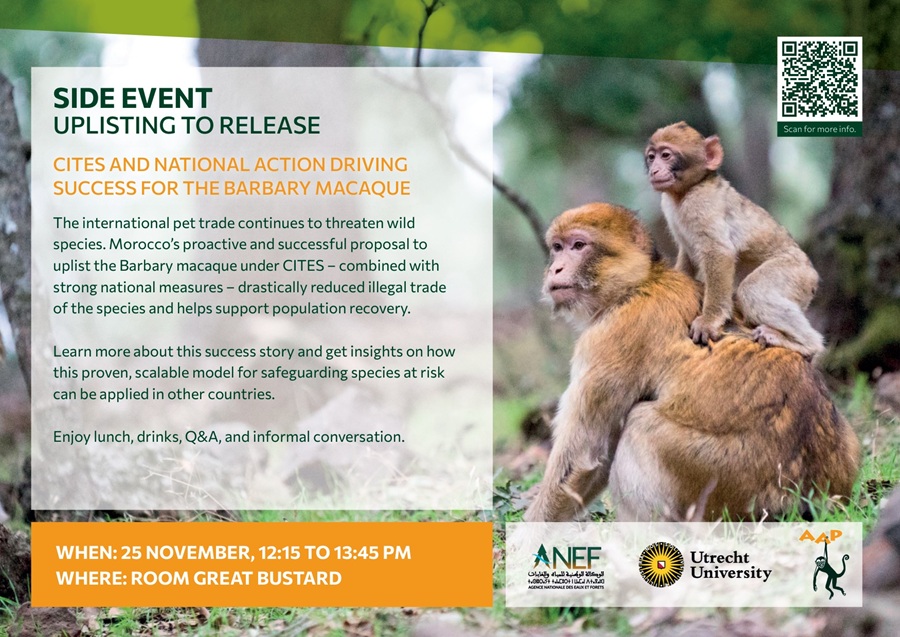
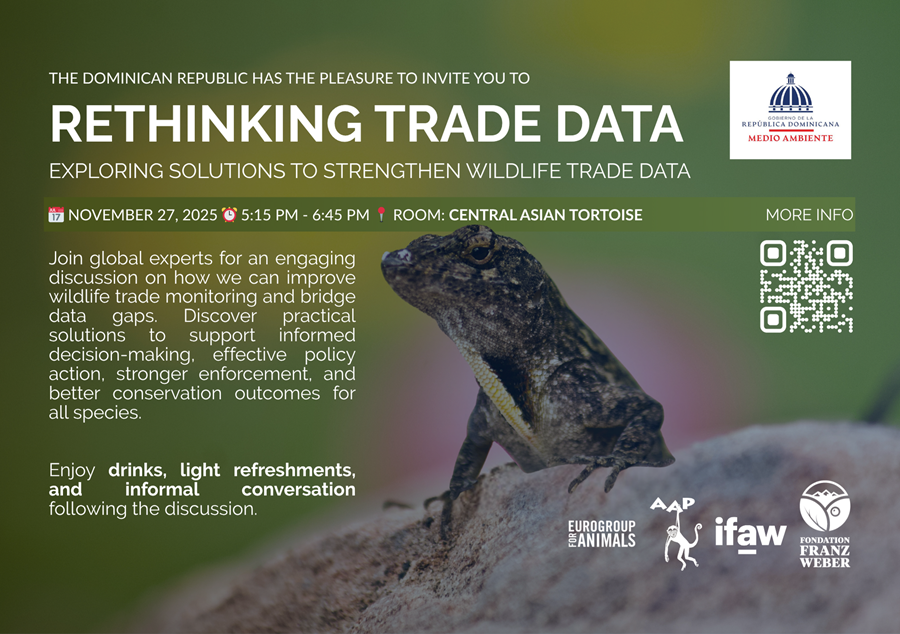
AAP will co-host three side events during CoP20. These will focus on: the uplisting of the Barbary macaque and the release of animals back into the wild through the Born to be Wild project; the exotic pet trade and animal welfare; and improving wildlife trade data. Through these side events, AAP will share its hands-on expertise, insights gained from confiscated and rescued animals, and concrete strategies to strengthen wildlife protection worldwide.

Invitation with Barbary macaques in the background.
Invitation side event Rethinking Trade Data with a reptile in the background.
invitation with serval in the background

Animal welfare at stake

Every year, millions of wild animals are taken from their homes or bred in captivity and sold as pets. Many suffer terribly – cramped in tiny cages, shipped long distances, or forced into breeding programs that compromise their health. This trade not only threatens animal welfare but can also spread diseases from wildlife to humans. The scale is enormous: wildlife trade is worth billions of euros. For some species, the impacts of trade are devastating — populations decline, habitats vanish, and extinction becomes a real threat.

This is where CITES (the Convention on International Trade in Endangered Species) comes in. By setting rules for which species can be traded and under what conditions, CITES aims to prevent overexploitation and protect wildlife from unsustainable trade. CITES is the only legally binding tool to regulate the international wildlife trade. It provides an internationally recognised framework to help ensure that trade in wild animals and plants does not threaten the survival of species.

AAP at CITES CoP20

Read more about AAP’s role during CITES CoP20 and our side events.

Other news