
Experts gather in Lithuania to discuss wild animal pet trade
At a two-day workshop in Lithuania, policymakers and other key stakeholders from across the region came together to discuss the risks caused by the trade in wild animals in pets


At a two-day workshop in Lithuania, policymakers and other key stakeholders from across the region came together to discuss the risks caused by the trade in wild animals in pets
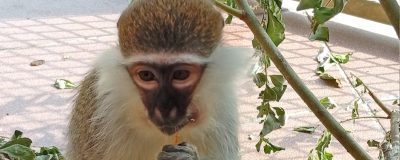
A young grivet monkey (Chlorocebus aethiops) has arrived at AAP’s rescue centre after being surrendered by his owners in Germany, where he was kept as a pet. The primate, who

AAP welcomes Hungary’s decision to significantly extend its restrictions and prohibitions on the use of wild animals in circuses. From 1 January 2027, circuses will no longer be allowed to
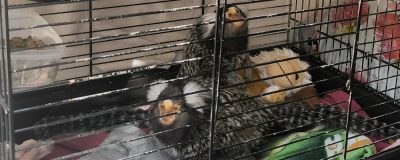
Minnie and Miko, a closely bonded pair of common marmosets who were bred in Slovenia and then kept as pets in Croatia, have now arrived at AAP’s rescue centre in
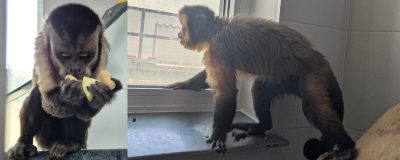
Macchiato and Espresso, two black-capped capuchins who spent years living in concerning conditions at a controversial French zoo, have recently arrived at AAP. They are now being cared for at

After several weeks of quarantine and settling in at AAP’s rescue centre in Spain, Saphira and her five young have taken a major step: exploring their outdoor enclosure for the
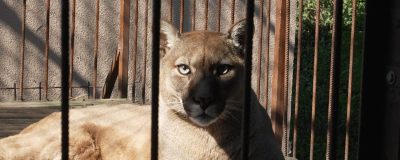
10-year-old puma Mikulas was kept as a companion animal in a private home in the Czech Republic. Although his owner had built him an enclosure next to the house, the
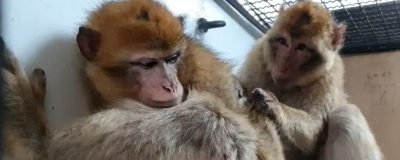
We have some great news from the primate team at AAP Spain. Two of our recently rescued Barbary macaques, Chitto and Lu, have been introduced to each other – and
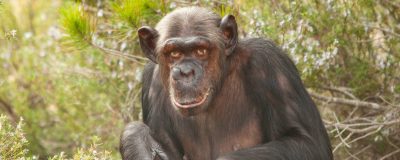
We are saddened to share the news that chimpanzee Peggy has passed away aged 33. Peggy lived with kidney problems for quite some time and, despite intensive medical care, her
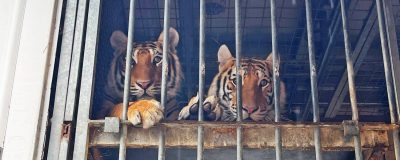
In late May, a male tiger escaped from a private facility in Northern Saxony, seriously injuring one of his keepers and forcing the police to shoot and kill the animal.
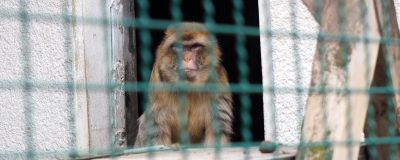
Barbary macaques Xarly and Filix have recently arrived at AAP’s rescue centre in Spain, coming from a private barn on the outskirts of Soest, Germany. Their owner voluntarily surrendered the
AAP Animal Advocacy and Protection is extremely pleased to share that the Enterprise Court of Appeal (CBb) has ruled in favour of the Dutch Positive List. Last week’s ruling, which