
A wild animal – not a domestic cat
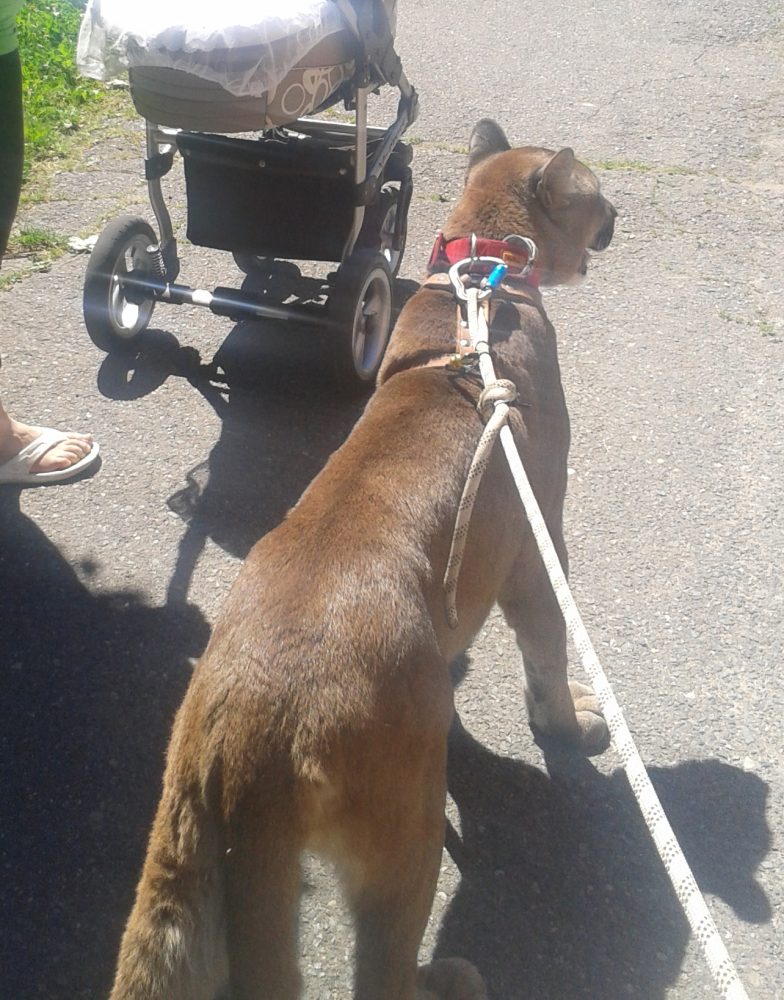
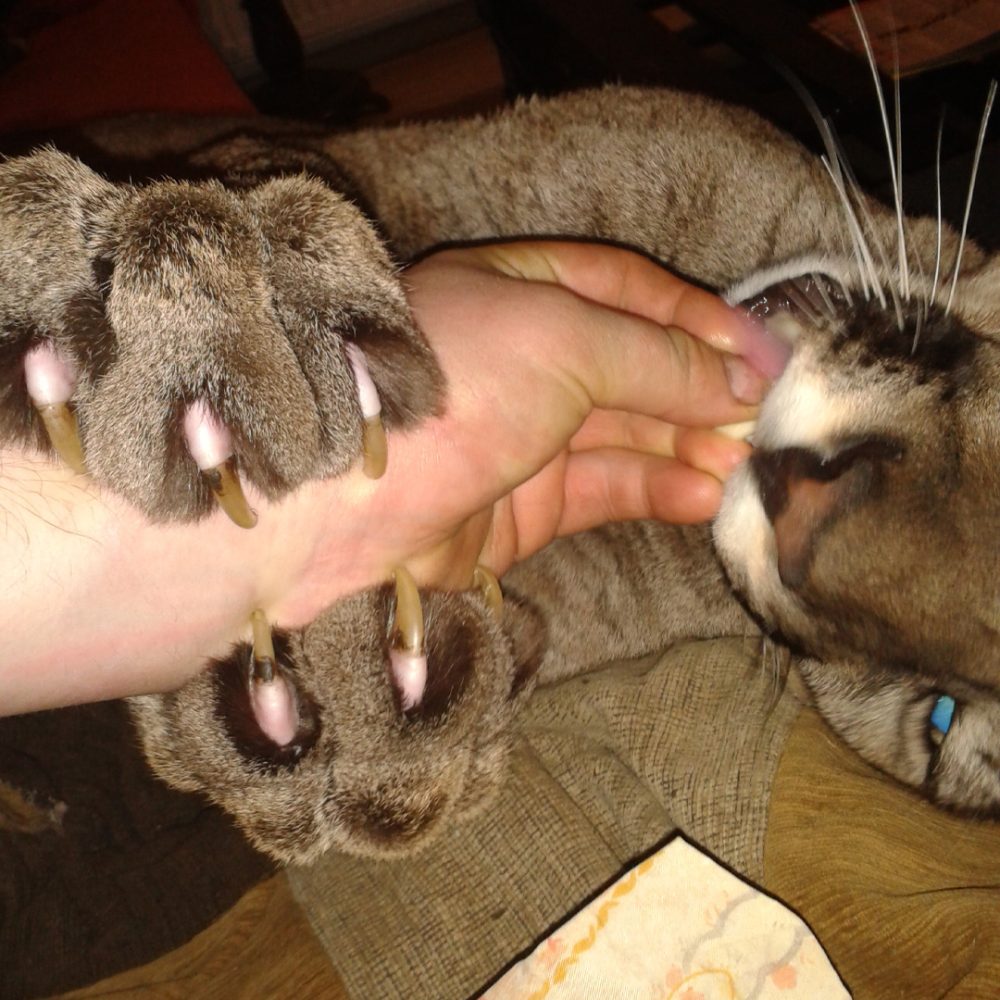
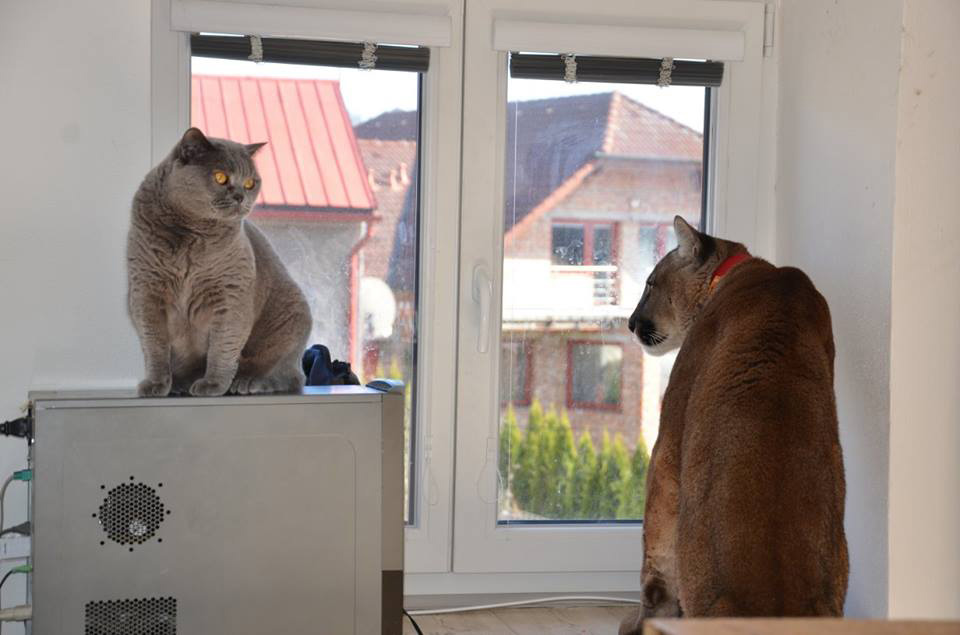
The owner had acquired Mikulas as a cub. At home, the puma lived alongside the family’s domestic cats and was even taken out for walks on a leash. The family would sit with him on the sofa and play with him both inside the house and in his outdoor enclosure.
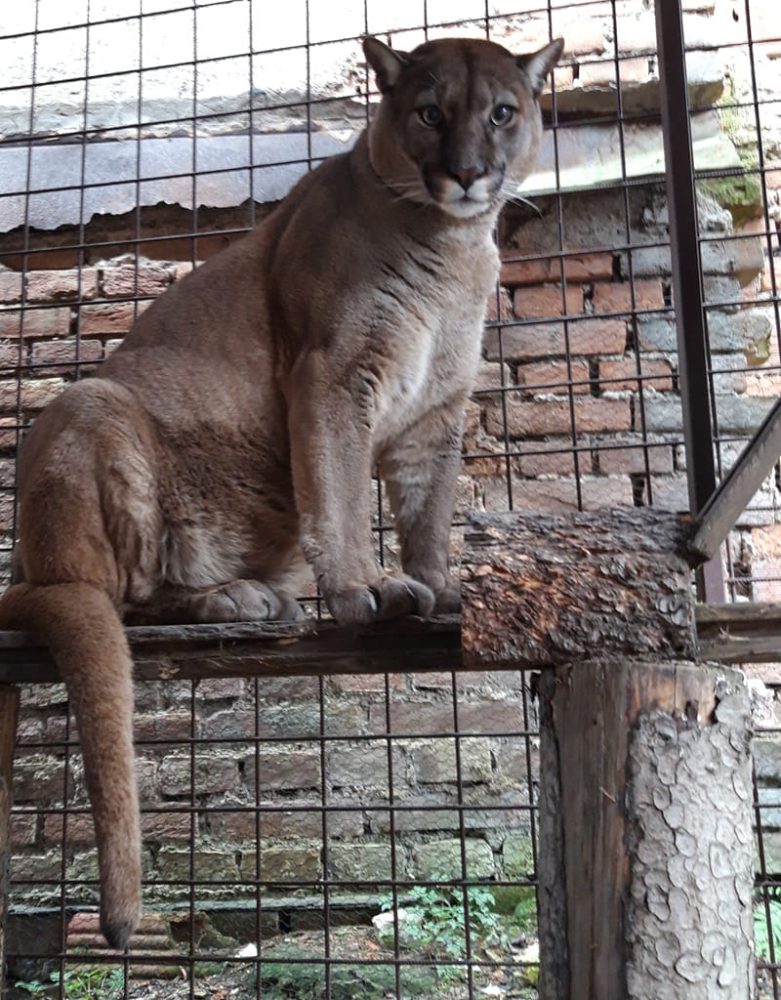
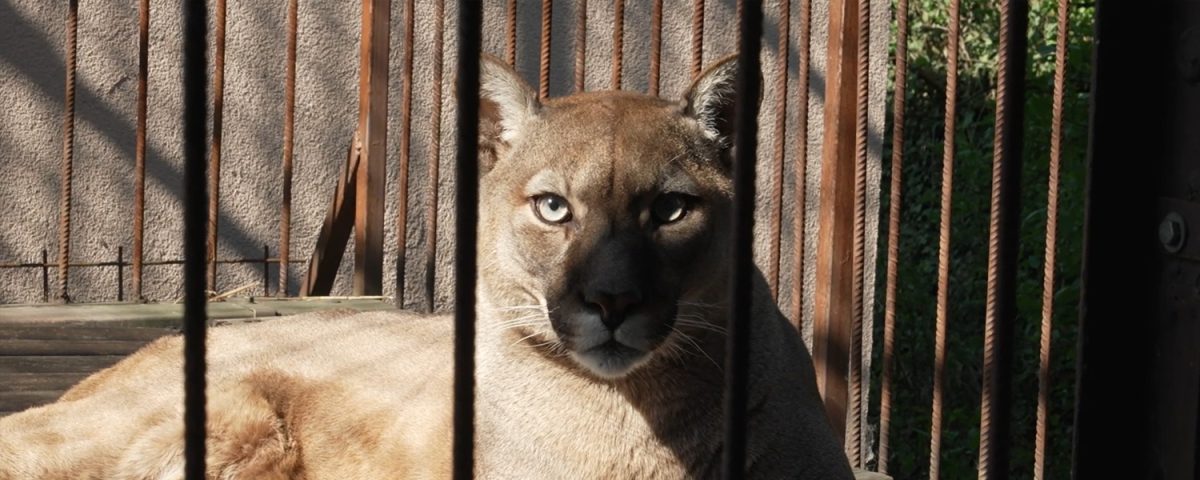
Mikulas had access to a two-storey enclosure attached to the house, secured with bars to prevent escape and ensure safety. But the reality soon became clear: a puma is not a domestic cat.
“The animal became unstoppable”
As the animal grew, the owners realised that the risks to their safety were increasing, as were their concerns for the animal’s wellbeing. Adequate exercise for a puma requires a lot more than for domestic animals – throwing a ball, for example, is simply not enough. During the rescue, the owner explained that there came a point when “the animal became unstoppable”, and this created risks for the people living alongside him.
“A puma is not a companion animal. Being born and raised in captivity does not remove an animal’s natural instincts or behavioural needs. Pumas are crepuscular and nocturnal. They are skilled hunters, with powerful jaws and strong hunting instincts, and they require large territories to thrive. This is incompatible with life as a companion animal. Keeping an animal in an unsuitable environment harms its wellbeing, and in the case of a puma, can also be extremely dangerous.”
Olga Martín, Public Policy Officer Spain
A social media trend with real-world consequences
The growing popularity of wild animals as pets and their presence on social media is encouraging trade in wild animals, reinforcing the mistaken belief that such animals can be kept in a home as suitable companions.
This contributes to poaching and illegal trade, further damaging an already vulnerable species. Pumas are native to the Americas and their population is declining due to habitat loss and fragmentation, retaliatory hunting, and the reduction of prey. Demand from the pet industry only adds another threat.
As well as harming native animal populations, captive wild animals also suffer from life in the pet trade. The consequences of life as “pets” for wild animals are severe, as it prevents them from expressing natural behaviours, causing significant distress, and unmet needs can lead to long-term health complications.
Video: the rescue of Mikulas
Julie Fialova, Head of Logistics and Animal Welfare at AAP, speaks with Mikulas’s owner, who shares his experience of living with this large feline.
Mikulas is not the only one
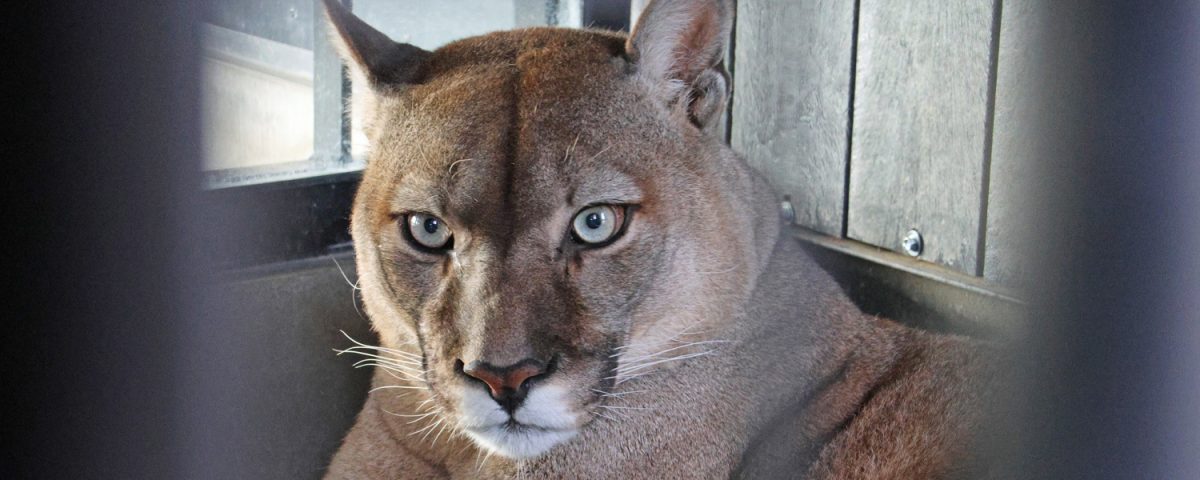
Mikulas was rescued thanks to his owner’s recognition that this majestic animal deserves far more than a simple enclosure next to a house, and AAP is now working on his rehabilitation. However, not all animals are so fortunate.
There is an urgent need for stricter regulation to prevent animals like Mikulas from ending up in private ownership in the first place. In the Czech Republic, as in many other European countries, it is still legal to keep a wide range of wild animals as companion animals, despite the risks this poses to animal welfare, public safety and health, and the environment.
At AAP, we’re working to end this with our petition for an EU-wide Positive List: a standardised list for all EU member states defining which animals can legally be kept as pets. Not on the list? That’s a “no” to private ownership.