

The Positive List
in Europe
One Positive List for all EU member states
AAP advocates for the introduction of Positive Lists both at national (Member State) and European levels. Our goal is to prevent the ownership of wild animals that are unsuitable as pets. To achieve this, we believe that people should only be allowed to keep an animal species when it has been proven that it’s safe for animals, people, and the environment.
This requires a shift from the current reactive system — where animals can be kept until specific regulations prohibit it — to a proactive system that protects species by default unless they are shown to be suitable for life as a pet. This proactive regulatory approach is known as a Positive List.
Globally, more countries and regions are adopting Positive Lists to tackle problems linked to the trade in wild animals for pet keeping. In Europe, thanks to the work of AAP and other animal welfare organisations, eight EU Member States have already implemented Positive Lists.
While Member State Positive Lists are an important step, developing and implementing them takes considerable time. Furthermore, not all Member States adopt the same type of Positive List, leading to market fragmentation and making enforcement more difficult.
That is why AAP, together with partners like Eurogroup for Animals, is also advocating for a European Union-wide Positive List. A harmonised approach at EU level would be a major step forward in protecting animal welfare, public health and safety, and biodiversity.
Advantages of a European Positive List compared to individual Positive Lists
A European Positive List would be a highly effective tool to prevent animal suffering and tackle related issues, including public health risks, biodiversity loss, and illegal wildlife trade, both within the EU and beyond.
Existing Positive Lists in the EU have been developed by individual Member States, leading to differences between countries. Each Member State uses its own criteria and decides how much risk it is willing to accept when it comes to the trade and keeping of wild animals as pets.
As a result, species like kangaroos and porcupines may be allowed as pets in some countries but prohibited in others. This inconsistency is harmful for animal welfare, complicates enforcement, and disrupts the EU’s internal market. For example, a pet shop in the Netherlands – which has a Positive List – is not allowed to sell Bennett’s wallabies, while just across the border, shops in Belgium – which also has a Positive List – can.
This is confusing for the public—who are often unaware of the specific rules in each Member State— and creates unfair competition within the EU market. For those engaged in illegal trade, however, these fragmented laws provide opportunities: once an animal enters the EU market, they become almost impossible to trace, making it easier to carry out illegal activities. This lack of traceability also hampers efforts to monitor, detect, and respond to zoonotic disease threats and to understand the broader impacts of the wild animal pet trade.
An EU-wide Positive List would ensure harmonisation across all Member States, addressing market fragmentation, reducing animal suffering, protecting biodiversity, and strengthening public health and safety.
Data on trade and zoonoses
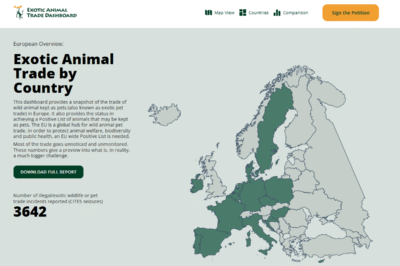
Our report and dashboard outline the risks of Europe’s exotic animal trade for pet keeping to animal welfare, biodiversity, and public health.
The dashboard presents the trade in numbers across Europe, and highlights the potential risks of the wild animal trade so that the next pandemic is not due to a zoonotic disease.
In addition to these milestones, the European Union regularly holds consultations on key initiatives that are relevant to the Positive List, such as the Action Plan against Wildlife Trafficking, Invasive Alien Species Regulations, and feasibility studies on new legislation. AAP actively contributes to these processes by submitting recommendations, providing expert input, and participating in interviews. We also regularly meet with policymakers and civil servants to keep the Positive List high on the agenda in Europe.
Video: launch of #WildAnimalsNotPets campaign
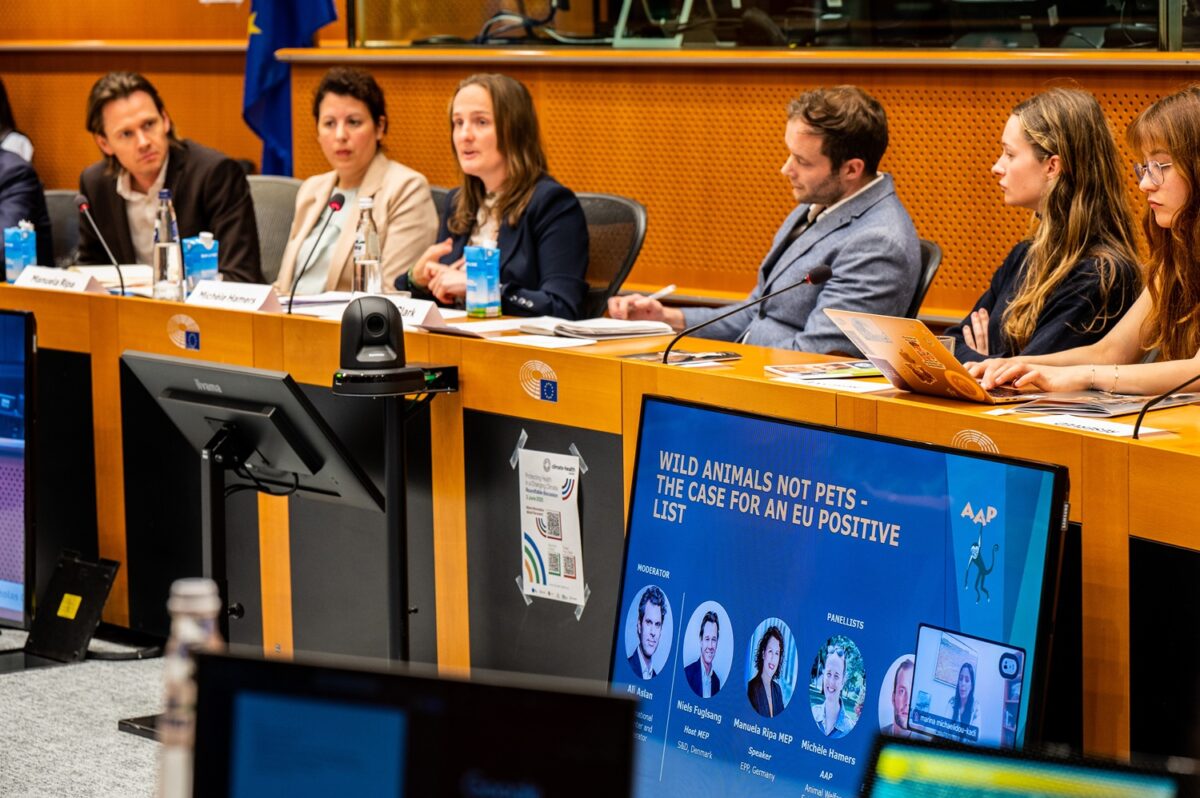
On 3 June 2025, AAP launched the #WildAnimalsNotPets campaign at the European Parliament in Brussels. We presented our dashboard and report on the risks of the international pet trade in Europe for animal welfare, public health and biodiversity.
This video highlights the session in the Eurpean Parliament in which AAP, and several Members of Parliament explain the need for an EU-wide Positive List.
What has happened so far in EU Member States?
So far, 8 EU countries have adopted a type of Positive List. Another 3 Member States are working on creating their own lists, and several others are actively considering a Positive List as a solution to the risks posed by the wild animal pet trade You can explore the current situation in each EU country by moving your mouse over the map below.
Positive Lists in the EU

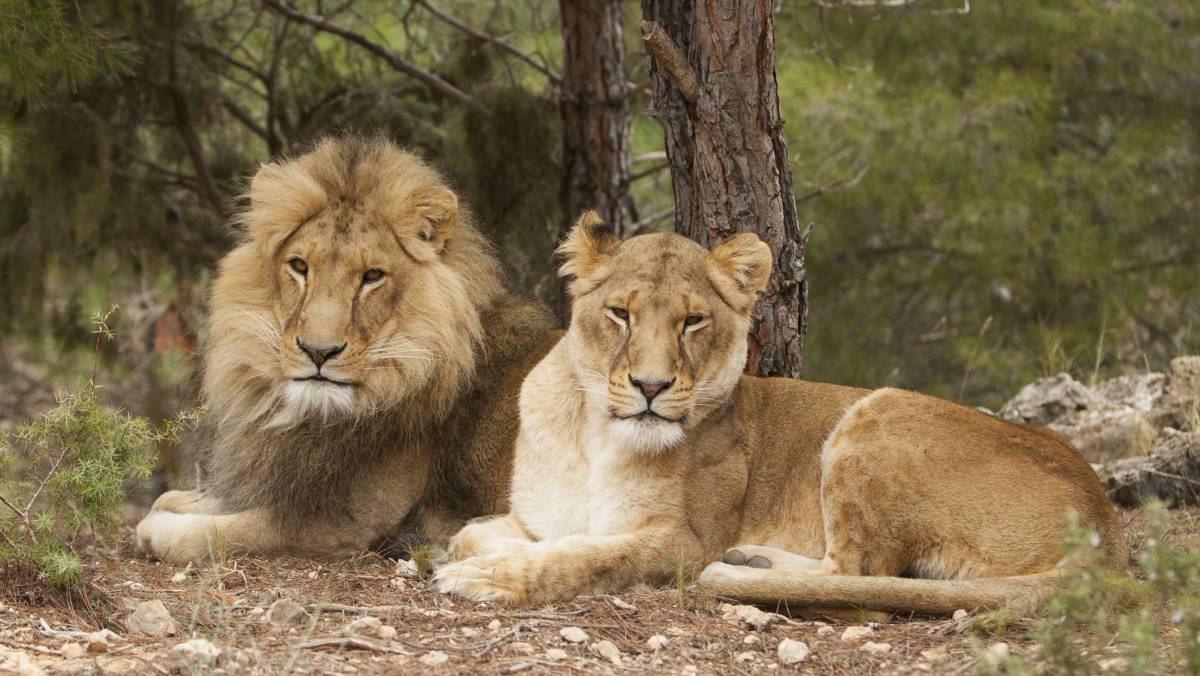
A European Positive List, would prevent wild animals like Marley and Elsa from being kept as pets in the first place.
Dutch Positive List
Want to know more about the Positive List in the Netherlands? Click here.