

Wildlife
trafficking
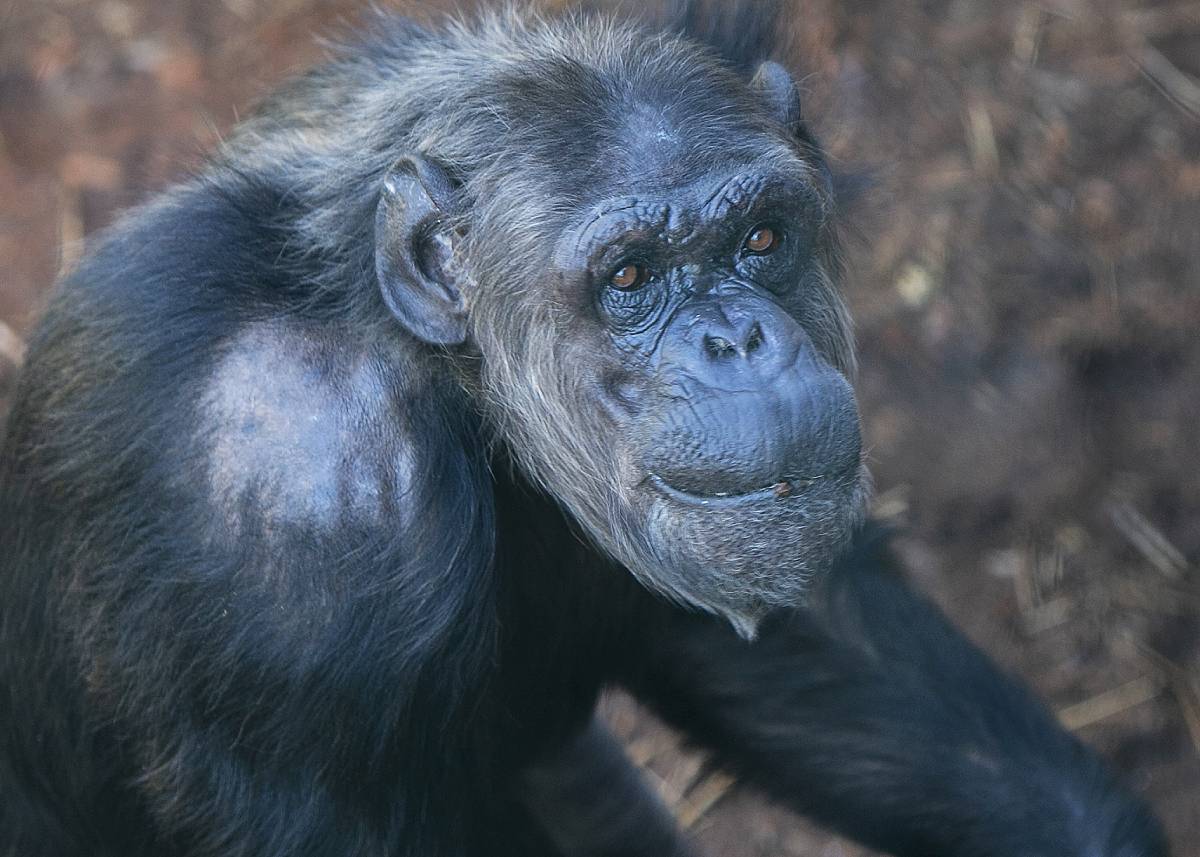
Chimpanzee Linda was smuggled from the wild
and was locked up alone for many years.
Taken from the wild
We see them all too often in our rescue centres: animals that have been taken from the wild and were illegally smuggled into Europe, for example, in bags or the trunk of a car. They have been snatched from their families in the wild only to end up in solitude as pets or tourist attractions.
This also happened to chimpanzee Linda: she was taken from the wild to entertain people on the beach. When she became unmanageable, she was locked up by herself in a shed for 15 years. Or take the primates Sulley and Boo, whom were found more dead than alive at an airport in Spain.
Into the wrong hands
Many endangered species that are internationally protected unfortunately still fall into the hands of traders. This illegal wildlife trade is one of the most profitable forms of organized crime. Experts estimate that between 8 and 20 billion euros is earned annually.
At the same time, enforcement capacity is limited and deterrent penalties often fail to materialize. As a result, the illegal trade in wildlife is still widespread, while some 25% of animal species are on the brink of extinction.

Lack of rescue capacity
An additional problem is that there are not enough rescue facilities for wild animals in Europe. If the authorities find an illegally traded wild animal, they have to confiscate the animal and find a suitable rescue centre.
Since these are not always available, wild animals can end up in substandard accommodation, where they do not receive proper care. Sometimes animals die as a result of this or are even euthanized. Some animals even end up back in the illegal trade or they are not confiscated in the first place because there is no suitable rescue centre available.
The solution
As a rescue centre for confiscated wild animals, AAP is a crucial link in the fight against the illegal wildlife trade. As a solution partner for enforcement authorities, we take in countless seized wild animals. We also advocate across Europe for:
- better protection of endangered wildlife species
- better enforcement against illegal wildlife trade
- better rescue facilities for confiscated animals
Results
- AAP has already taken in over 900 confiscated animals in the period 2001-2021.
- AAP has set up the Born to be Wild project to protect the Barbary macaque against poaching, illegal trade and habitat destruction.
- Thanks in part to AAP’s efforts, the Barbary macaque has had the highest possible protection status since 2016. This means that this critically endangered species may no longer be taken from the wild for trade.
- In 2019, together with fellow organizations, AAP has called on the EU and EU member states to work towards more and better rescue centres and sanctuaries for wild animals, and also to allocate more funding for them. The recommendations were presented at a major European Parliament event on European shelter issues. The European Parliament adopted these recommendations in its report on the EU Biodiversity Strategy.
They put her in tight clothes and used her as a photo prop for tourists. When she became too big and strong, she was locked up in a bare, concrete shed, all alone, for 15 years.
Fortunately, thanks to the efforts of AAP, this came to an end and now she lives together with several companions.
AAP at CITES CoP20
Born to be Wild
Young Barbary macaques are stolen from the wild by poachers and then illegally traded.
Born to be Wild is an international project to ensure the survival of the Barbary macaque. AAP started the project in 2017 in close collaboration with IFAW and many other organizations.