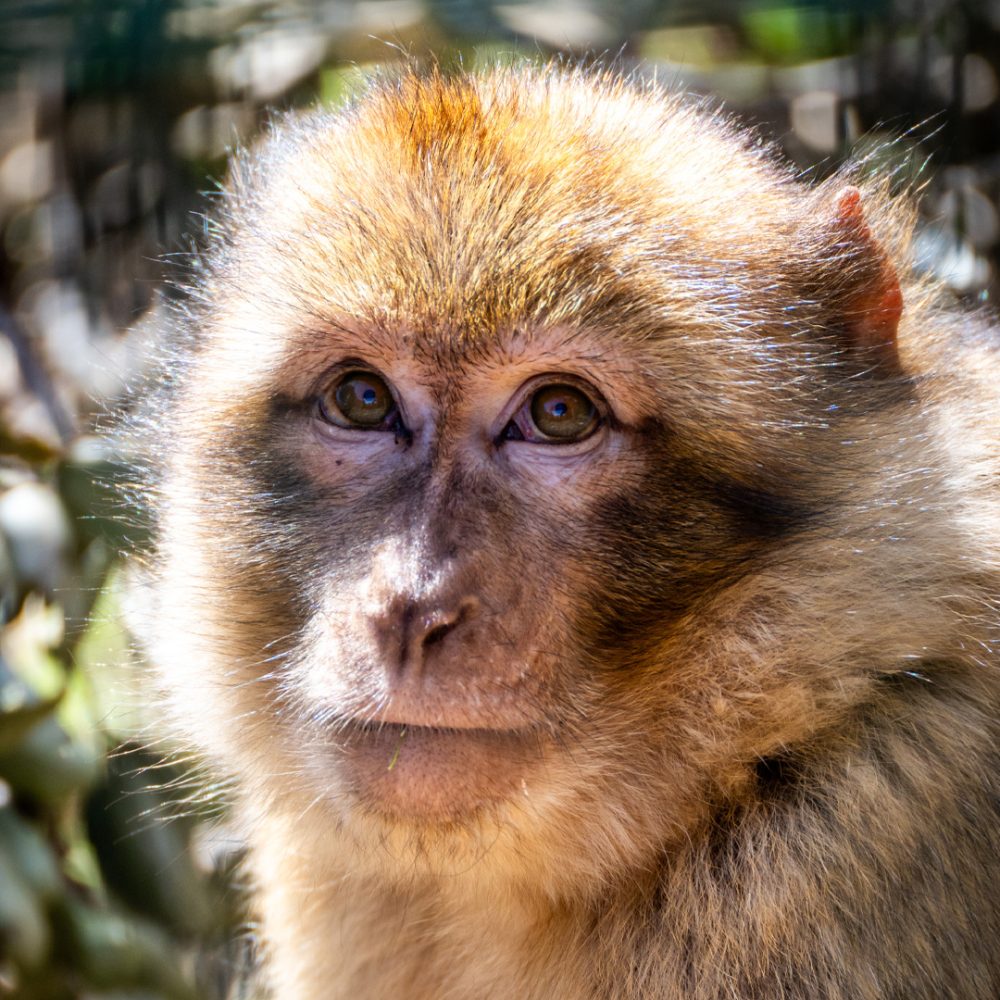
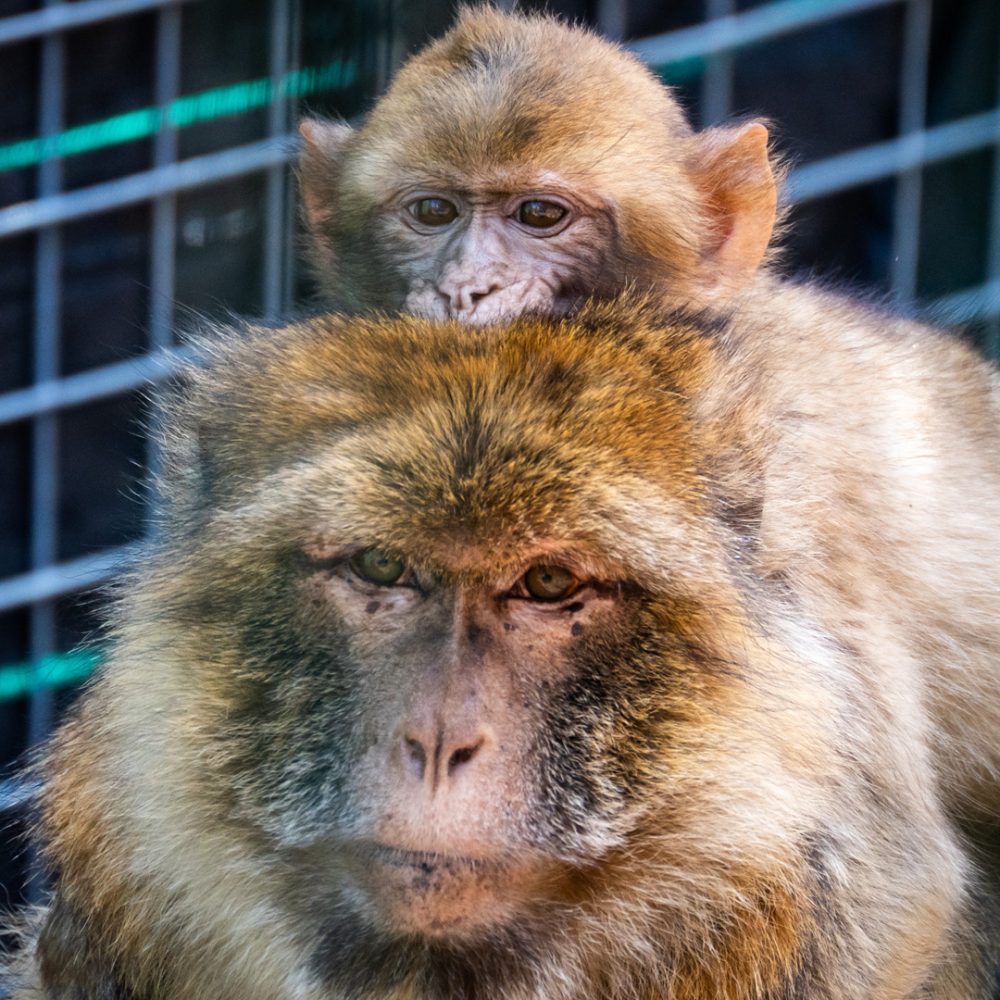
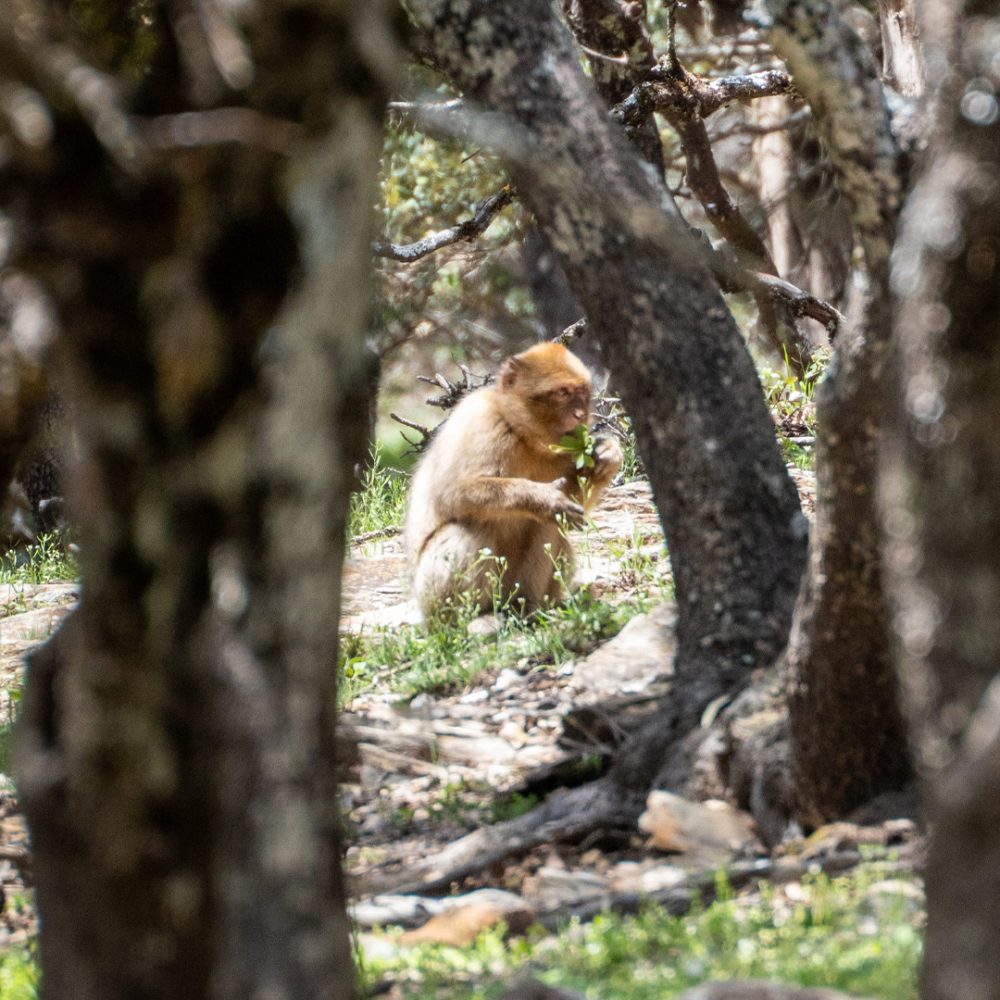
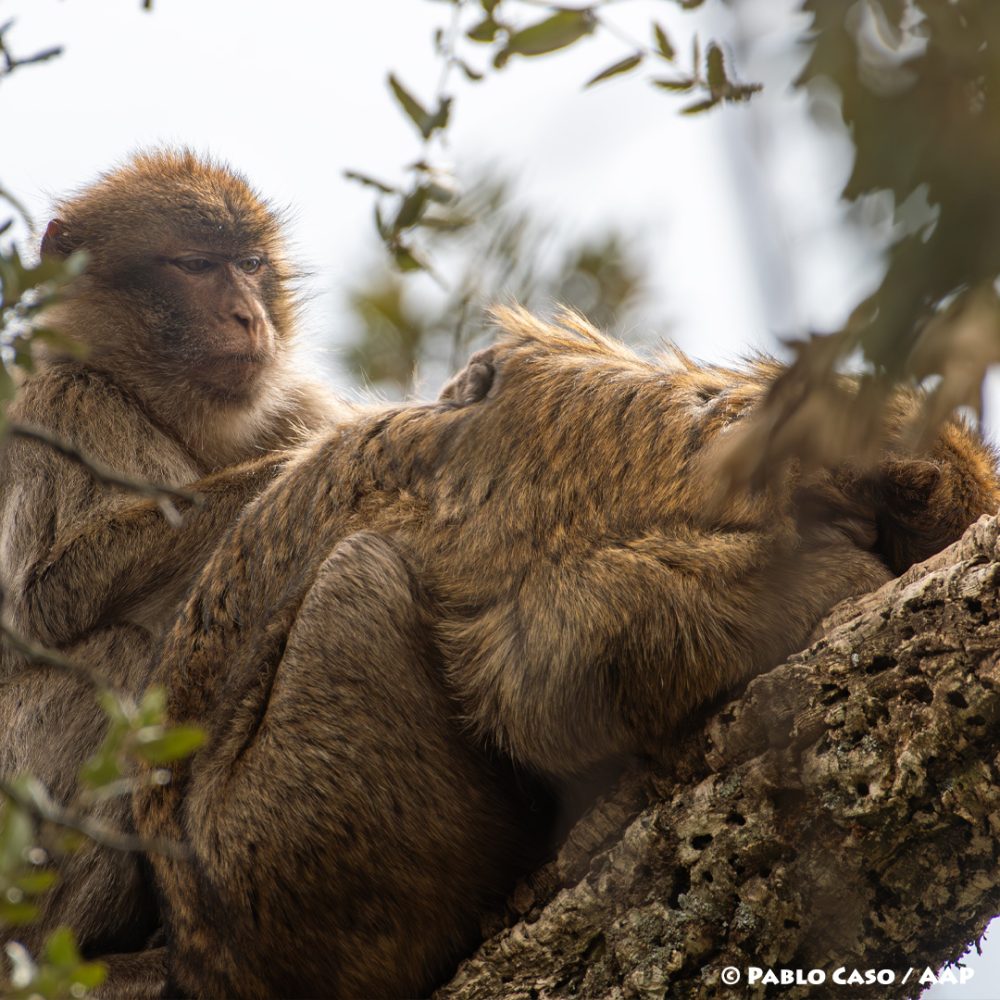

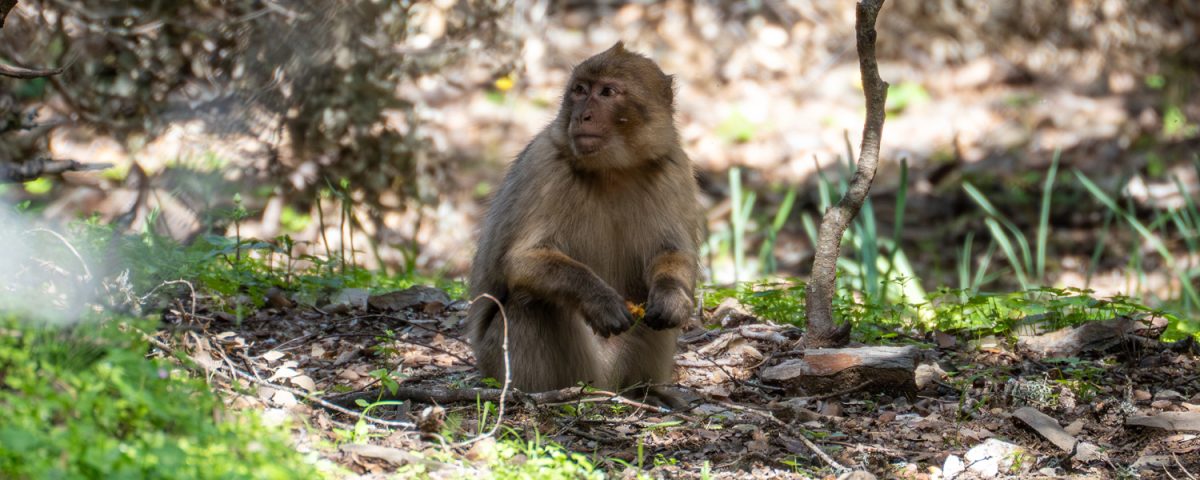
A new group of Barbary macaques rescued from poaching and illegal trafficking, has been set free in the depths of Tazekka National Park in Morocco. Released as part of the Born to be Wild project, these animals follow in the footsteps of the inaugural group who headed out into the wild last year.
A milestone in their conservation
The Born to be Wild project was launched in 2017 by AAP, in collaboration with the Moroccan government, with initial support from IFAW and funding from the Dutch Postcode Lottery. It is pioneering in giving rescued Barbary macaques (Macaca sylvanus) a second chance after being recovered from illegal traffickers and poachers.
The 13 individuals in this second group were part of the 35 animals initially identified at the start of the project as suitable for reintroduction into Tazekka National Park from among those confiscated in Morocco. The Barbary macaques released so far represent the foundation for the recovery of this iconic species in this area of the Moroccan Atlas mountains, where it had previously disappeared.
Second group swings into the canopy
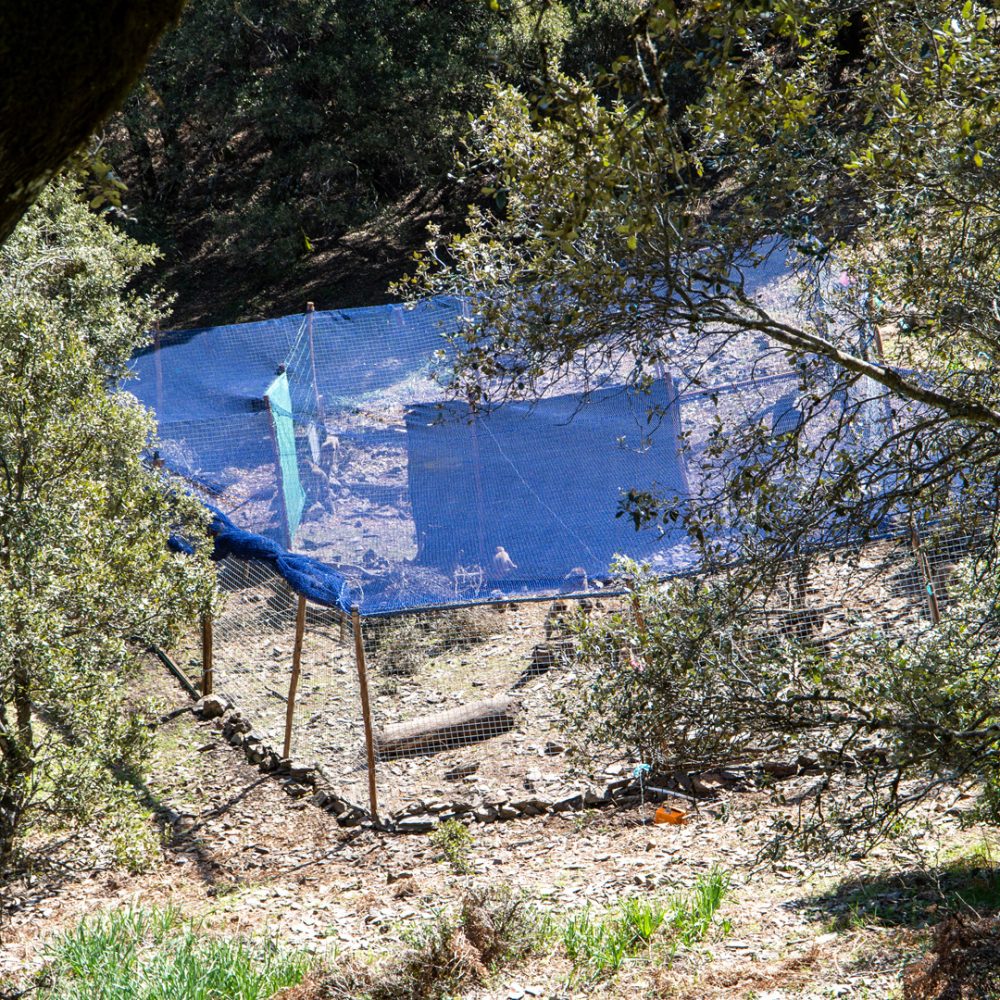
For this second release, 13 Barbary macaques referred to as the “Meknes group”, we carefully selected a new location deep within the park. The location has cedar and holm oak forests that will ensure access to food resources for the macaques. A temporary release facility was constructed on site, from which the animals were set free.
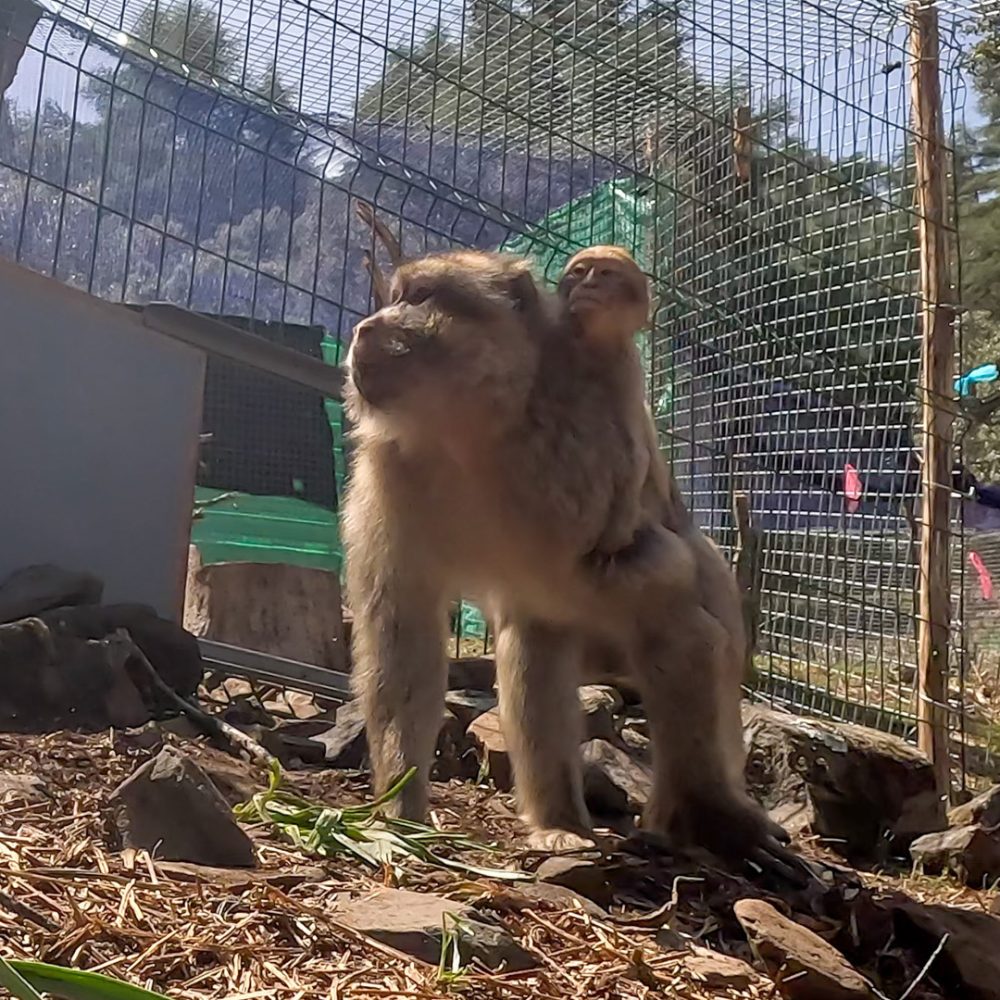
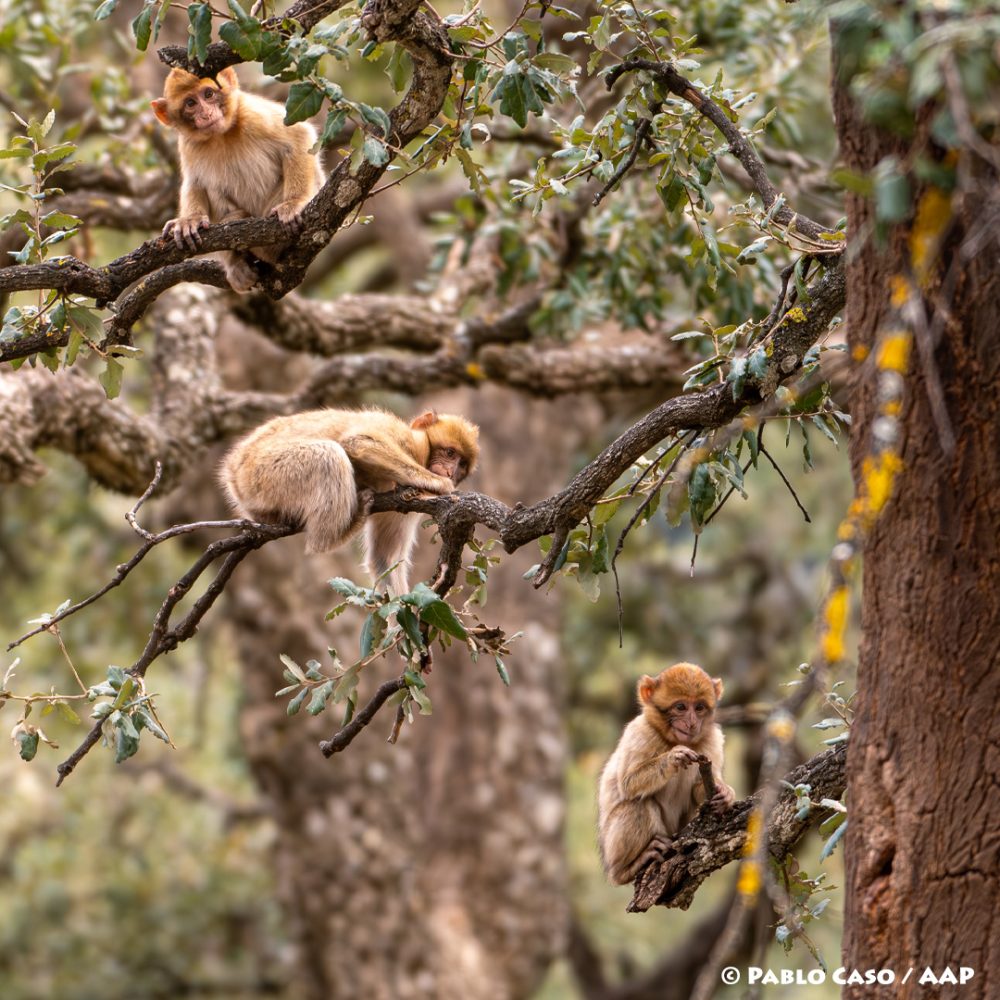
The adult animals, together with their young, emerged cautiously but decisively. After briefly observing their surrounding they quickly ran towards nearby trees, climbing them and regrouping in the canopy.
The new location is separate from the first released group, yet close enough to allow the Meknes group to eventually encounter the animals released earlier, thereby forming the basis of a new population within the park.
Monitoring the group
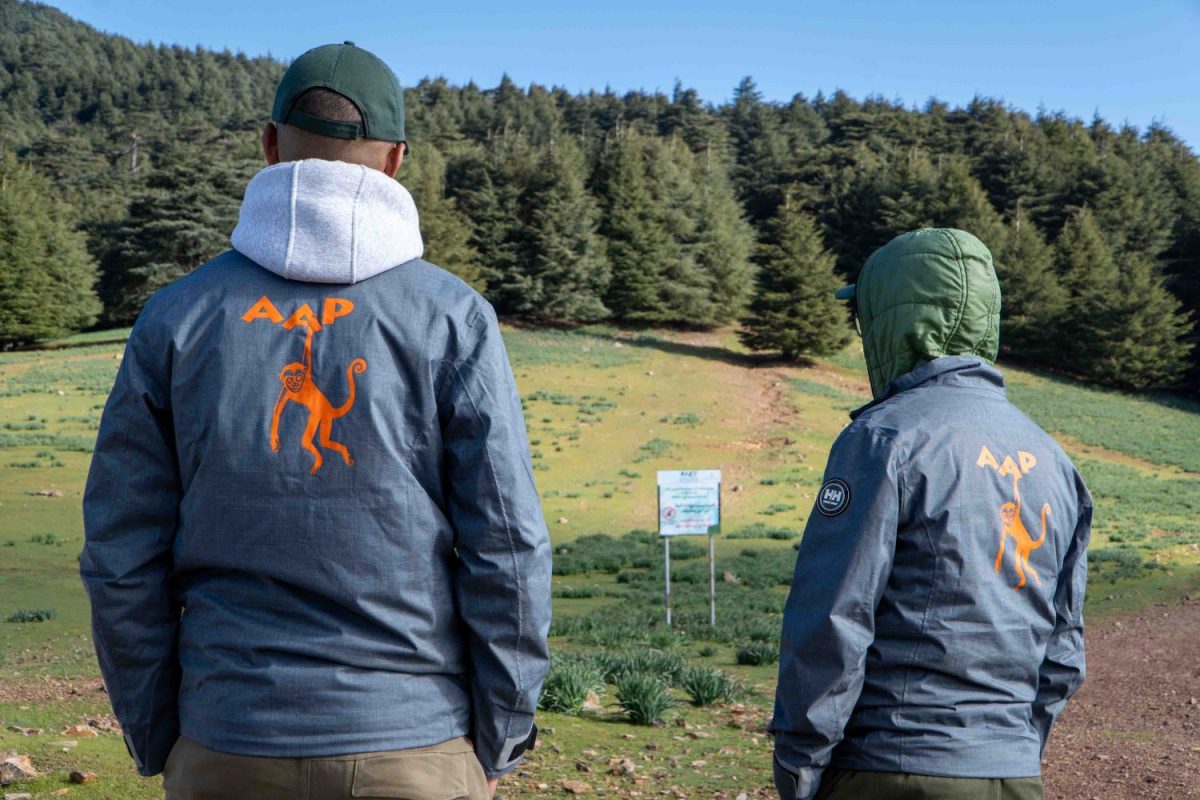
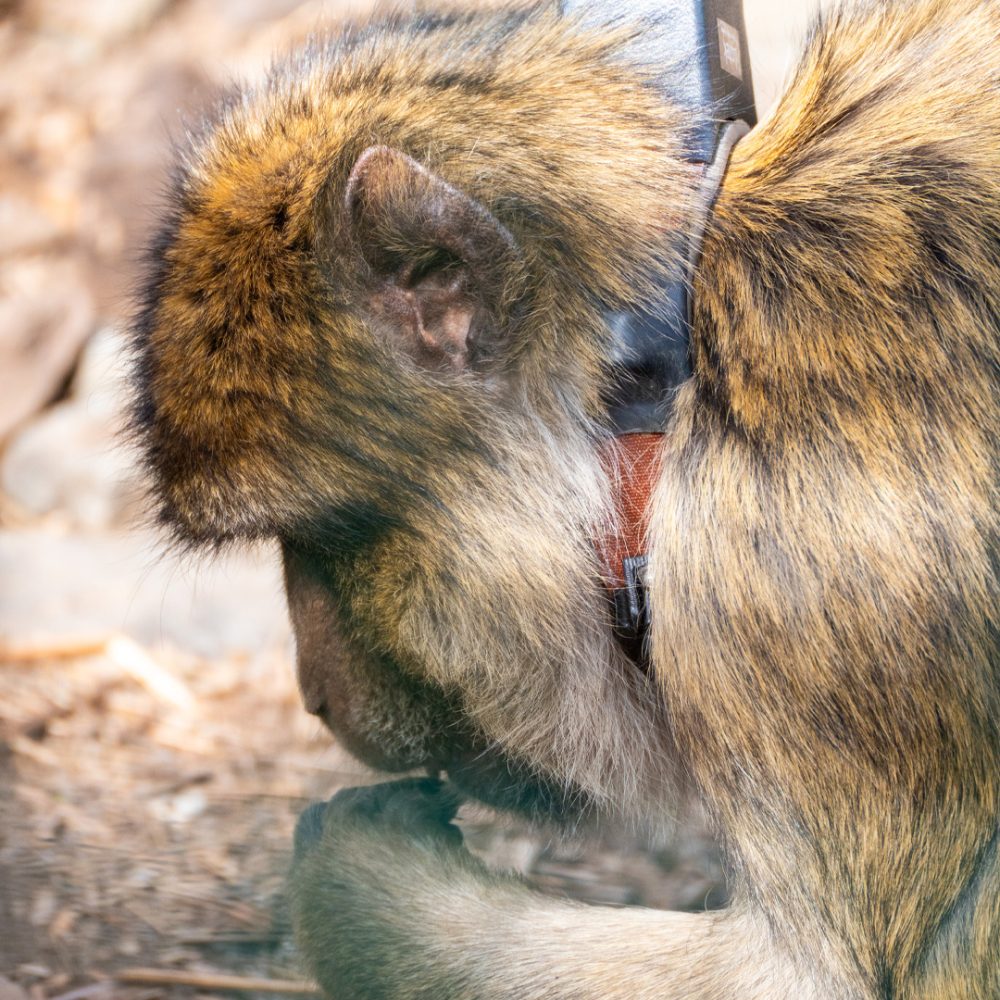
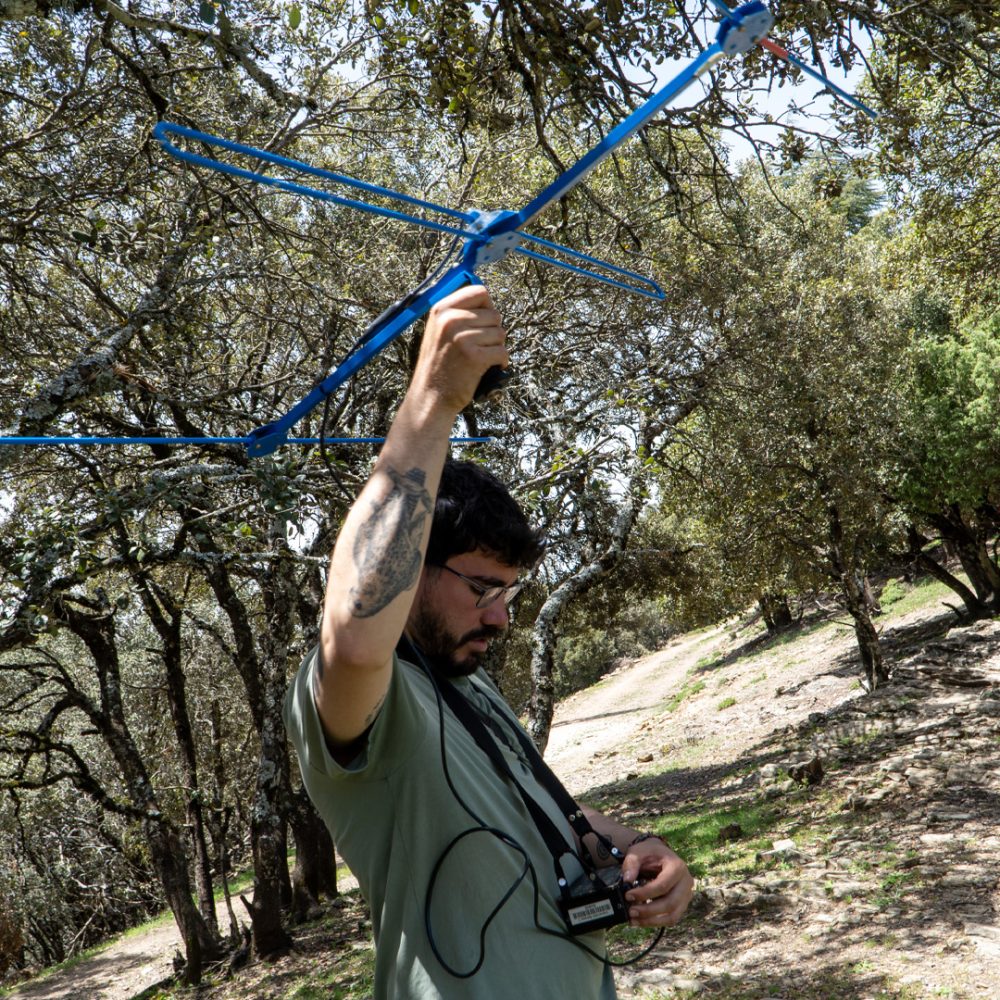
“The group’s movements will be tracked using the GPS collars they are wearing,” explains Pablo Caso, who leads the animal monitoring team at AAP. “This will allow us to understand their movements within the park, where they establish their territory, and whether they come into contact with the animals released last October.”
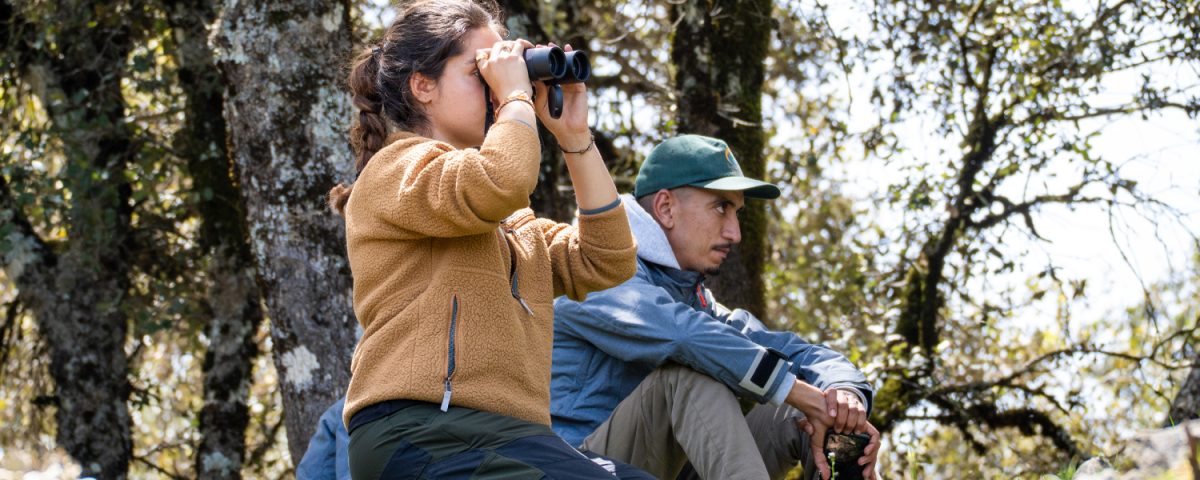
This scientific monitoring is supported and advised by Dr Pascaline Le Gouar from the University of Rennes and Dr Patrick Tkaczynski from Liverpool John Moores University. It enables assessment of the ecological viability of the project, which is essential for monitoring the animals in the wild and evaluating the success of the reintroduction.
Hope for the species
After more than 20 years of work, AAP has witnessed the severe impact of illegal trafficking on the Barbary macaque. The species’ inclusion in Appendix I of the Convention on International Trade in Endangered Species of Wild Fauna and Flora (CITES) in 2016 marked a turning point in its protection.
Contributing to the conservation of this iconic North African primate by returning rescued animals to the wild represents both a milestone and a key achievement for AAP. This second release offers renewed hope for the species in the wild.
A unique project
"This achievement represents the culmination of more than two decades of work and dedication by AAP to protect the Barbary macaque and secure its future in the wild. At the same time, it lays the groundwork for other rescued individuals in Morocco—and we hope in the future also from Europe—to follow in the footsteps of these first animals and progressively contribute to the recovery of the species in its natural habitat."
Eva Shippers, Head of Rescue and Rehabilitation
Collaboration
Thanks to the organisations that make this project possible: the Agence Nationale des Eaux et Forêts – Morocco (National Agency for Water and Forests), Liverpool John Moores University, the University of Rennes, and the Postcode Lottery.
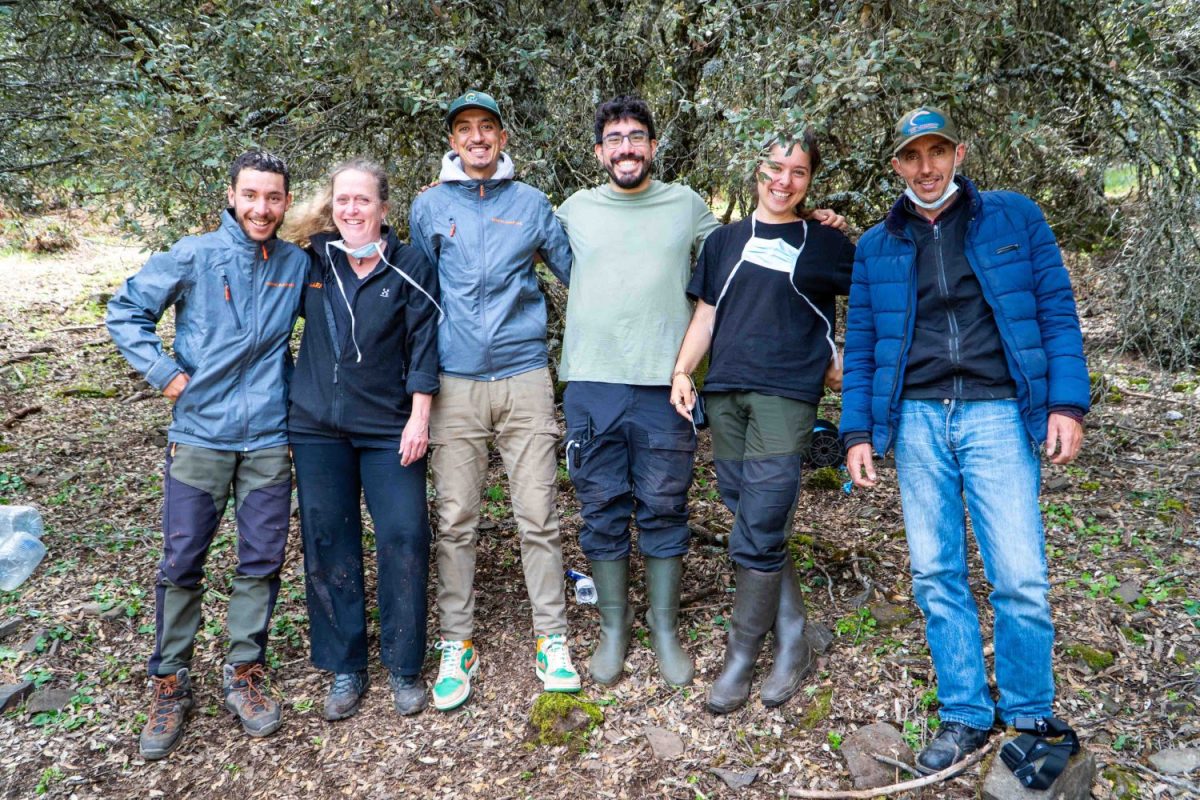
A special thanks to the monitoring team, the park’s eco-guards, and the teams at the rehabilitation and resocialisation facilities. Without them, returning Barbary macaques rescued from illegal trafficking and poaching to the wild would not be possible.