Lawful
The Dutch Positive List, which sets out which species of mammals may legally be kept as pets in the Netherlands, is based on carefully developed and scientifically verifiable criteria. These criteria are used to assess whether the behavioural, physiological and psychological needs of a species can be met when kept as a pet.
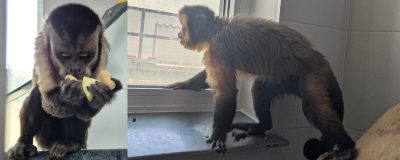
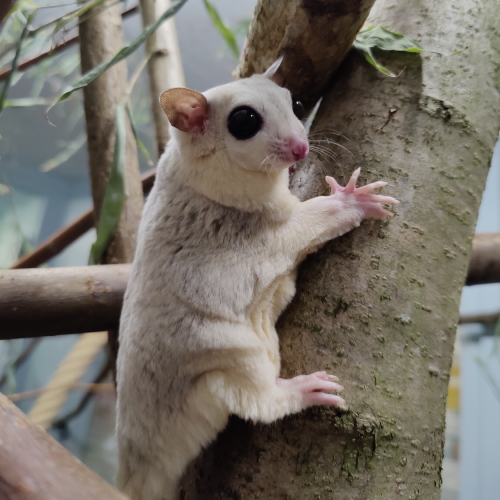
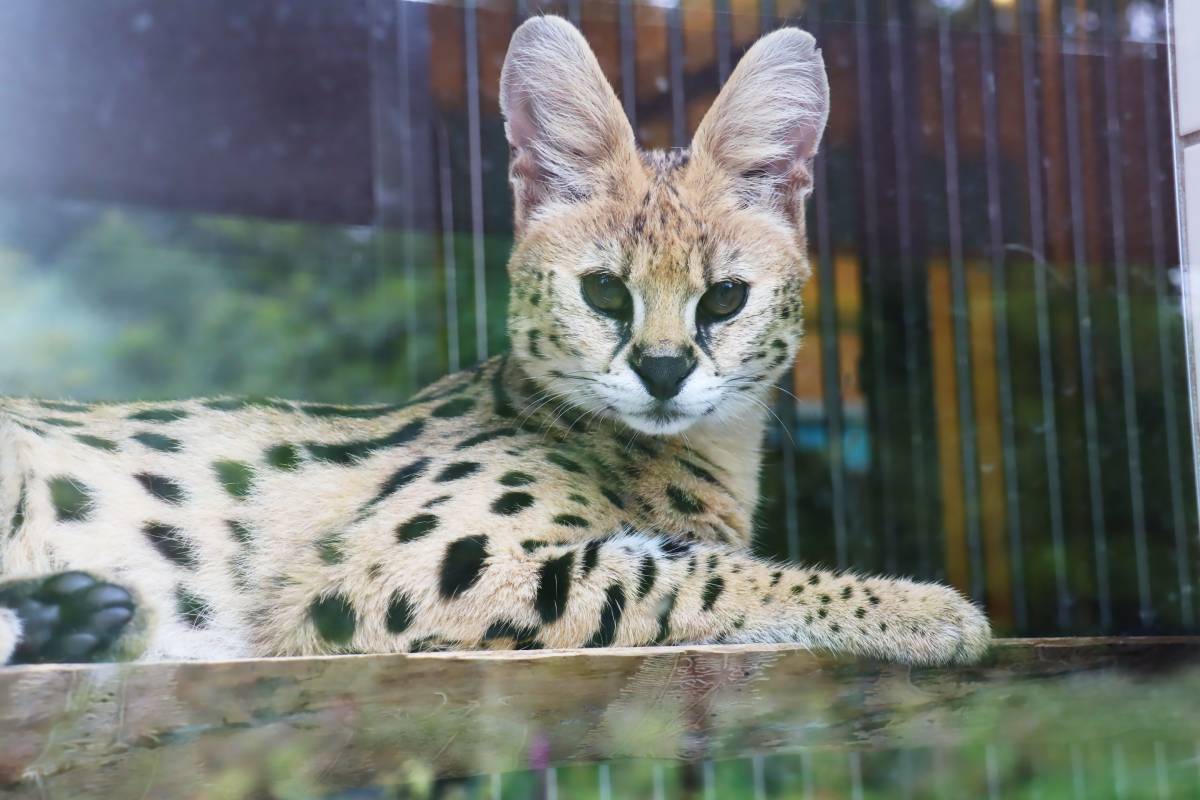
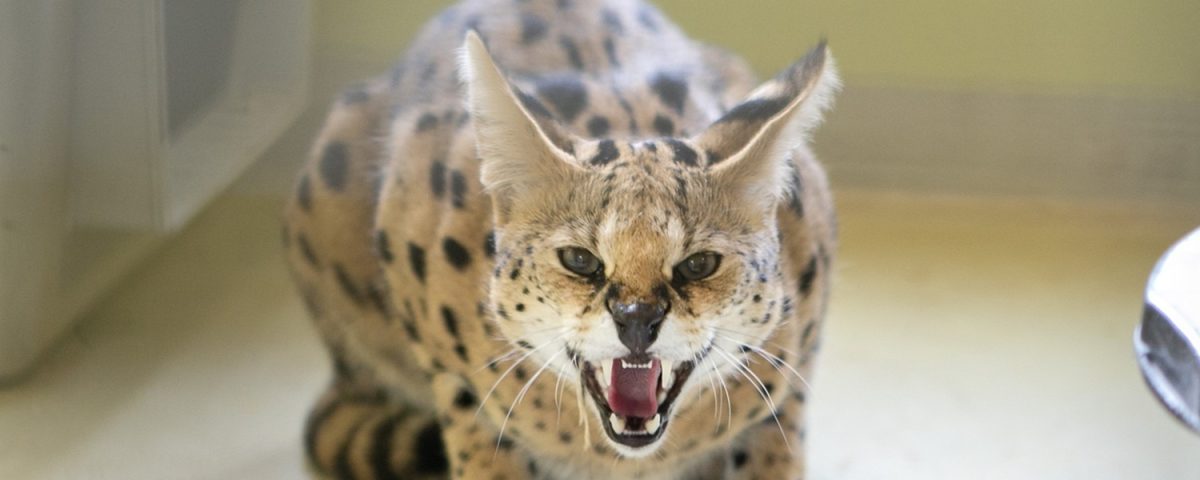
Since its introduction in July 2024, the List has helped prevent animals with complex needs, or those posing a danger to humans, from ending up in people’s private homes. Cats and dogs? On the list. Servals and sugar gliders? Absolutely not.
Now, following the court case, we have confirmation that the Dutch Positive List and the methodology used to create this list is legally sound. The court has ruled that 6 species (dromedary, yak, chinchilla, Russian dwarf hamster, Hispid cotton rat, and Indian crested porcupine) must be reassessed, but the methodology, and the assessment of more than 300 mammal species– remains valid.
“The Positive List is an essential instrument to prevent animals from being kept in conditions that do not align with their natural behavior and complex needs. While it’s a big step forward for animal welfare in the Netherlands, we still have neighboring countries with different rules. This is why we need an EU-wide Positive List to ensure that species receive the same considerations and protection no matter where they are within the EU.”
Michèle Hamers, Policy Officer EU at AAP
Looking ahead
Today’s ruling is an important step, providing clarity and a pathway for expanding this approach to cover other animal groups, including reptiles and birds.
Crucially, the ruling sends a clear signal to the European Union (EU) that it is time to move forward with an EU-wide Positive List. The risks associated with private ownership of wild animals do not stop at national borders, and must be dealt with at an EU-level. At AAP, we believe this would be the most effective, fair, and preventive measure to address the inherent risks of the wild animal pet trade.