Barbary macaque behind a green fence

German Barbary Macaques Xarly and Filix given a second chance

Barbary macaques Xarly and Filix have recently arrived at AAP’s rescue centre in Spain, coming from a private barn on the outskirts of Soest, Germany. Their owner voluntarily surrendered the two Barbary macaques after realising that she was unable to provide them with the appropriate care.

Wild animals, not pets

Xarly and Filix were originally acquired by a German couple who used animals for performances. However, whereas previous Barbary macaques had been used for entertainment, Xarly and Filix were kept as companion animals. After the owners passed away, their daughter inherited them and attempted to care for them. It soon became clear, however, that she could not meet their needs, and she decided to contact AAP.

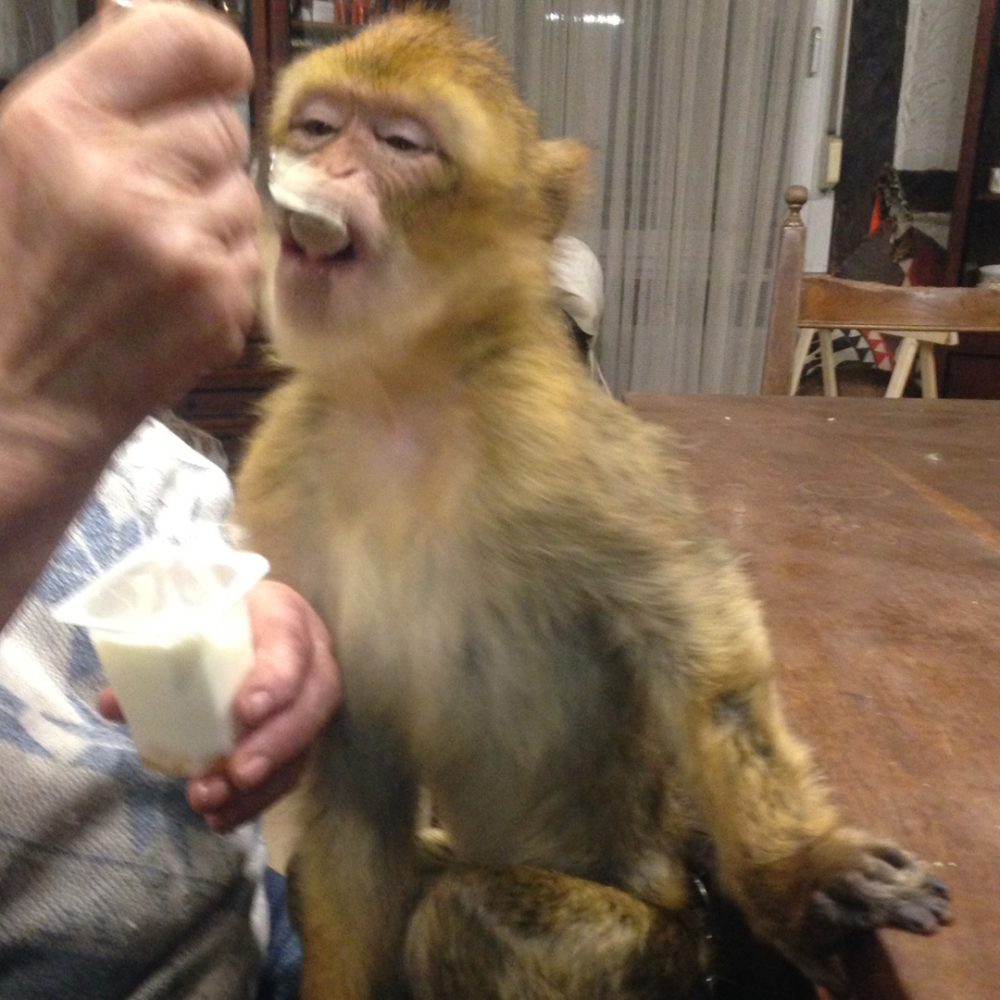
A Barbary macaque is being fed by a person
The family bred animals for use in performances.
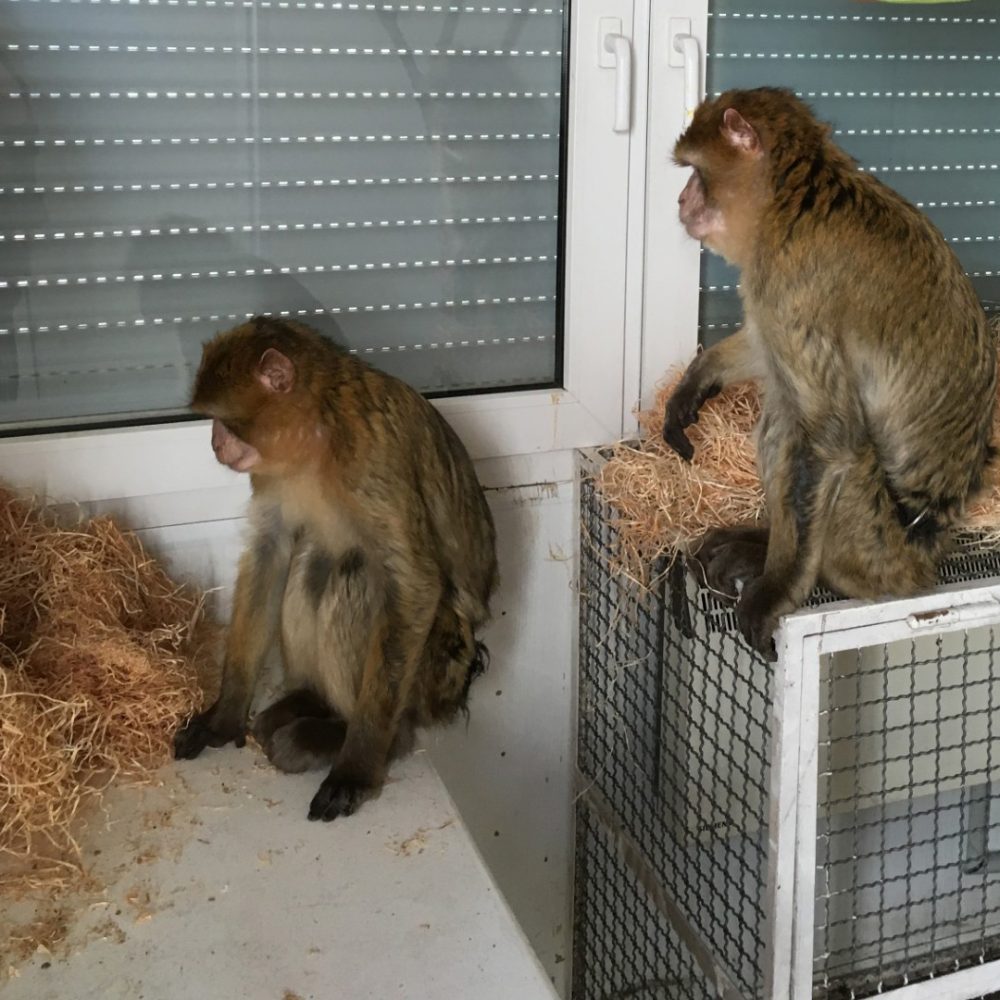
Two Barbary macaques in an enclosure
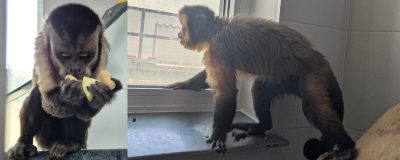
Xarly with his father — initially, he lived inside the house.

Living in an inadequate environment

In the wild, Barbary macaques live in complex social groups of up to 60 individuals, spread across territories of around 7.2 km² in the forests of the Middle and High Atlas Mountains in Morocco. Social grooming, cooperative care of their young, and complex hierarchies are essential for their wellbeing.

In Germany, Xarly and Filix lived between an indoor and an outdoor enclosure, each measuring only around 16 m². Such confined conditions, combined with the lack of an appropriate social group and insufficient environmental enrichment, are known to cause chronic stress and behavioural disorders in wild animals kept in captivity.

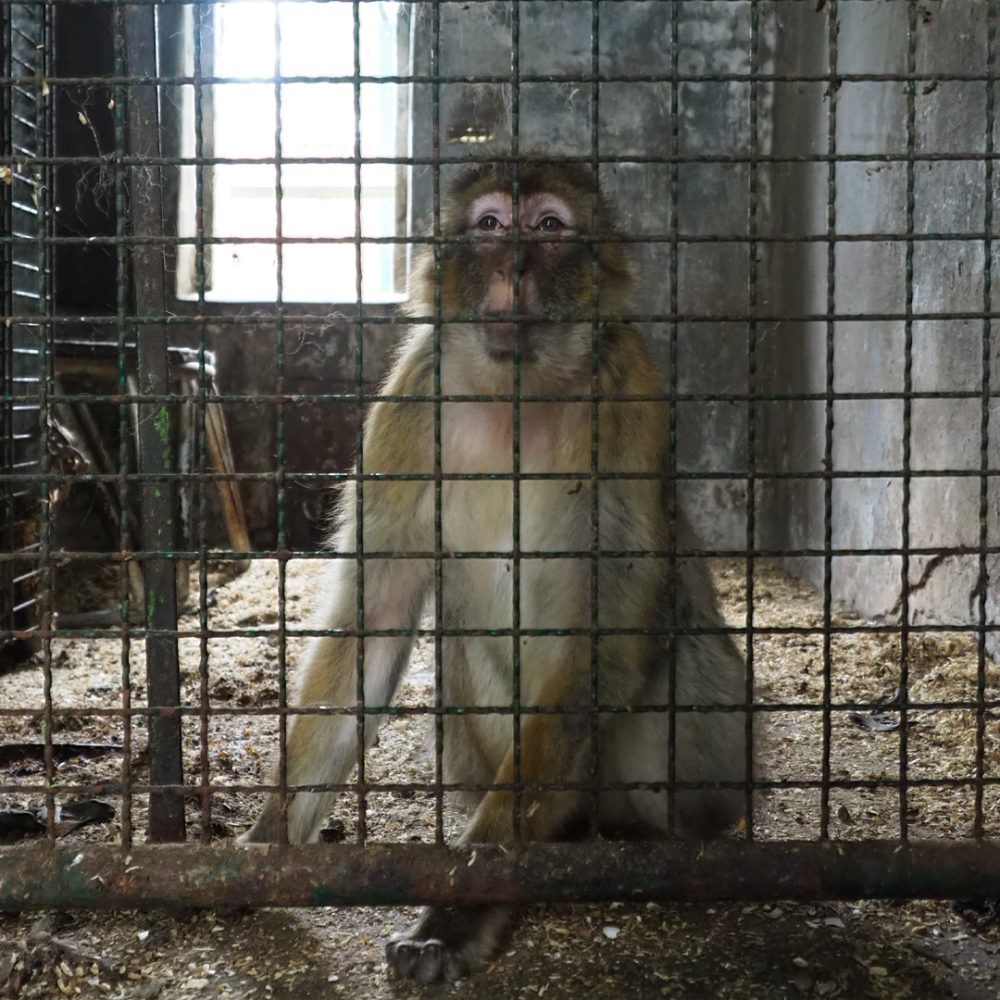
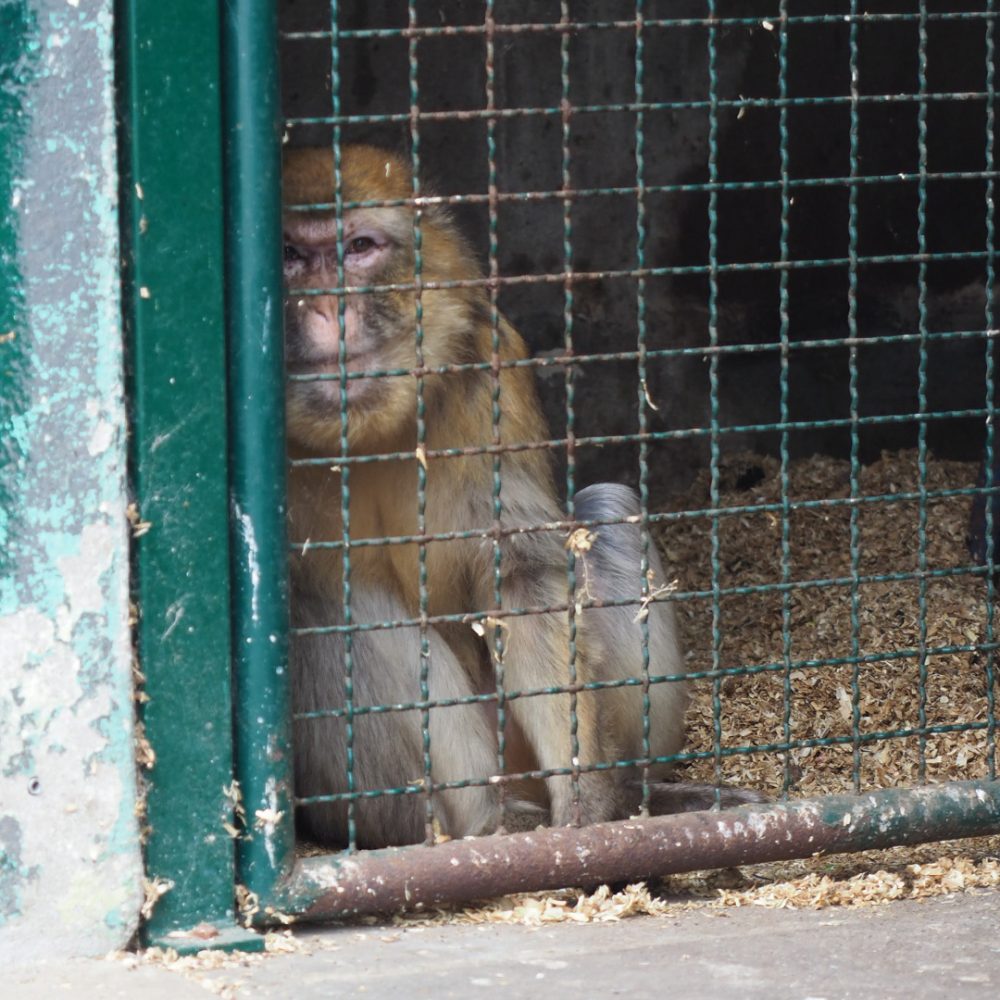
A Barbary macaque behind a fence in an inside enclosure
Xarly in the indoor enclosure where he lived.
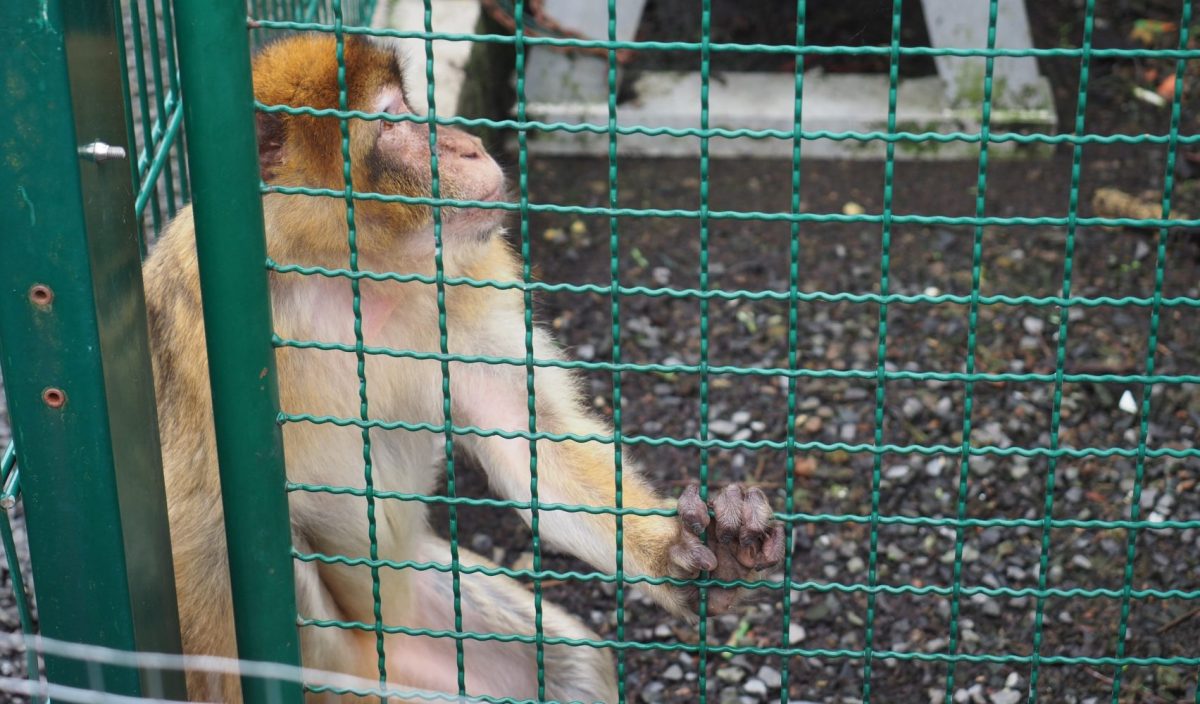
A Barbay macaque sitting behind a fence
Filix also lived in this enclosure.
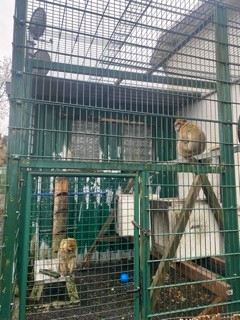
Barbary macaque in an outside enclosure, sitting behind a fence.
Both had access to an outdoor enclosure, which was insufficient for the needs of Barbary macaques.
Safe at last

Xarly and Filix are now safe at AAP. “They must first undergo an initial quarantine period to rule out any diseases that could affect other animals or even humans,” explains Olga Bellón, primatologist and Head of the Primate Department at AAP Spain.

“After this initial quarantine phase, we will be able to socialise them with other members of their species, which will improve their wellbeing and help to mitigate abnormal behaviours resulting from years of social and maternal deprivation,” Bellón adds.

AAP’s facilities in Spain include a specialised team experienced in the socialisation and rehabilitation of Barbary macaques, ensuring that Xarly and Filix can live the life they need alongside others of their species.

Regulation needed in Germany

“In Germany, there is no requirement to demonstrate specialist knowledge before acquiring animals like these, and there are no systematic government inspections. Buying a Barbary macaque is almost as easy as buying a rabbit. There is a clear need for stronger legal frameworks, such as Positive Lists of companion animals, to prevent the suffering of wild animals kept as pets.”

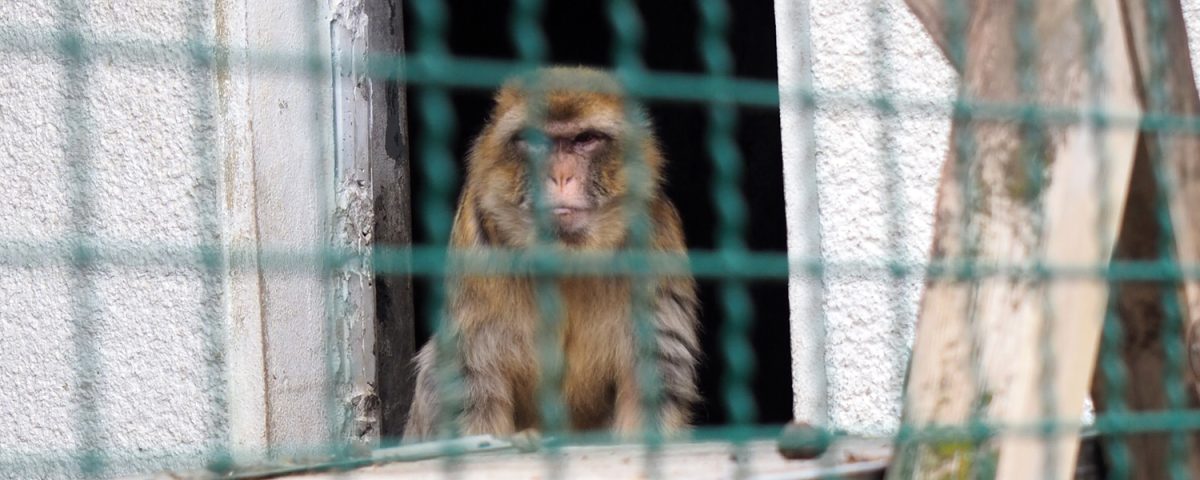
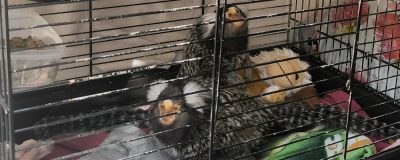
Two Barbary macaques in their enclosure
Xarly and Filix in the precarious conditions in Germany.
Video: The rescue of Xarly en Filix
Next step: effective regulation

Xarly and Filix have been given a second chance, but fully developed, effective legislation is needed in Spain and across Europe to prevent the suffering of thousands of animals. AAP advocates for Positive Lists to regulate the keeping of exotic animals as pets. These lists clearly define which species may be kept in private households, based on scientific criteria.

A home is not their habitat

The Barbary macaque is found in Morocco and Algeria, mainly in the forests of the Atlas and Rif Mountains, as well as on the Rock of Gibraltar. Their needs cannot be met in a domestic environment, and they are fundamentally unsuitable as companion animals.

Sign our petition for an EU wide Positive List
For Barbary macaques, and thousands of other animals like them who are living in unsuitable conditions in homes across the EUn, AAP is calling for an EU-wide Positive List. Support this effort by signing the petition!

Other news