Group of people standing in front of a large globe

Experts gather in Lithuania to discuss wild animal pet trade

At a two-day workshop in Lithuania, policymakers and other key stakeholders from across the region came together to discuss the risks caused by the trade in wild animals in pets – and to explore solutions, including the adoption of Positive Lists as powerful regulatory tools.

The workshop featured speakers and participants from the Baltic countries of Lithuania, Latvia and Estonia, as well as neighbouring countries Poland and Ukraine. Hosted by AAP, Lithuania’s Ministry of Environment, the University of Health Sciences, and the Lithuanian Zoological Gardens, the event gave delegates the opportunity to share knowledge and experiences, engage in meaningful discussions and debates, and connect with policymakers, veterinarians, and representatives from zoos and NGOs.

Understanding the challenge

On the first day, we focused on exploring the harms – both existing and potential – of wild animal ownership and trade. With tens of thousands of species currently in trade, impacting millions of animals, this is an issue of serious concern across Europe and neighbouring countries.

The Chancellor of the University Prof Mindaugas Malakauskas, Lithuania’s Vice Minister the Environment Aira Paliukėnaitė, and AAP’s Head of Public Policy Devrol Dupigny delivered opening remarks to set the scene.

Local experts on animal welfare, animal health, public health and safety, biodiversity and invasive alien species were then invited to share their insights and learnings. Discussions highlighted the serious risks that wild animal pet trade and keeping can pose to animal welfare, public health and safety, and biodiversity. For example, one speaker drew attention to a case where two Reeves’s muntjacs at a facility in Poland were diagnosed with bovine tuberculosis (TB). Reeves’s muntjacs are not subject to mandatory testing for the disease, but the pathogen that causes bovine TB is transmissible from animals to humans – and this facility offered animal-assisted therapy to children with disabilities, potentially involving close contact with animals.

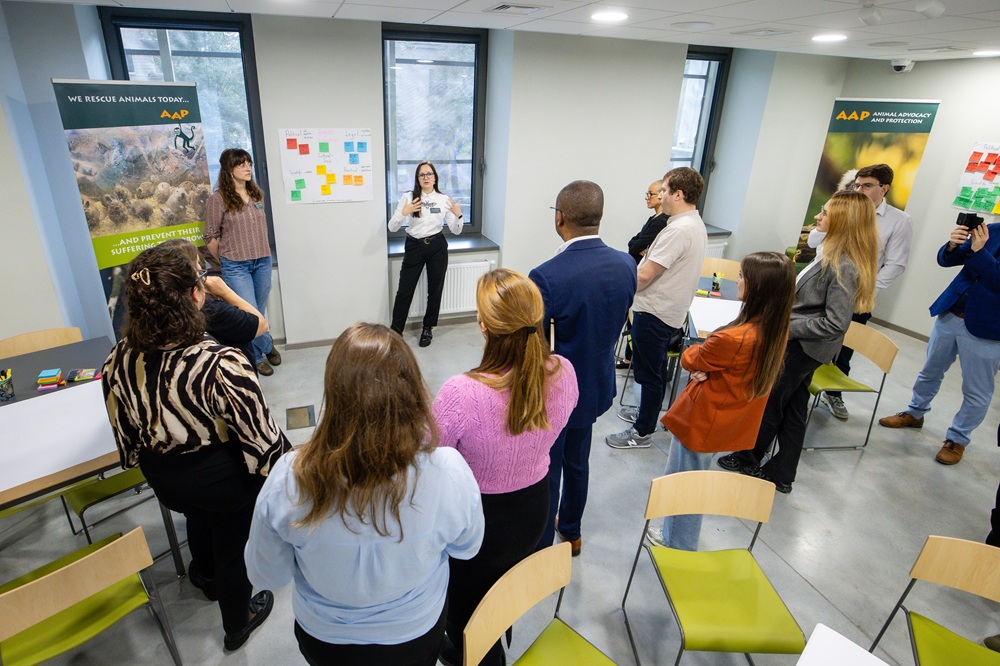
Next, attention turned to an assessment of the current regulatory landscape. Attendees were given a comprehensive overview of relevant country-specific laws and regulations related to the trade, breeding and keeping of wild animals as pets within the region. In breakout groups, they came together to discuss what the existing barriers are to addressing the risks and harms caused by the trade and ownership of wild animals as pets.
 

Group of people standing in a circle and looking at a paper with post its on a wall.
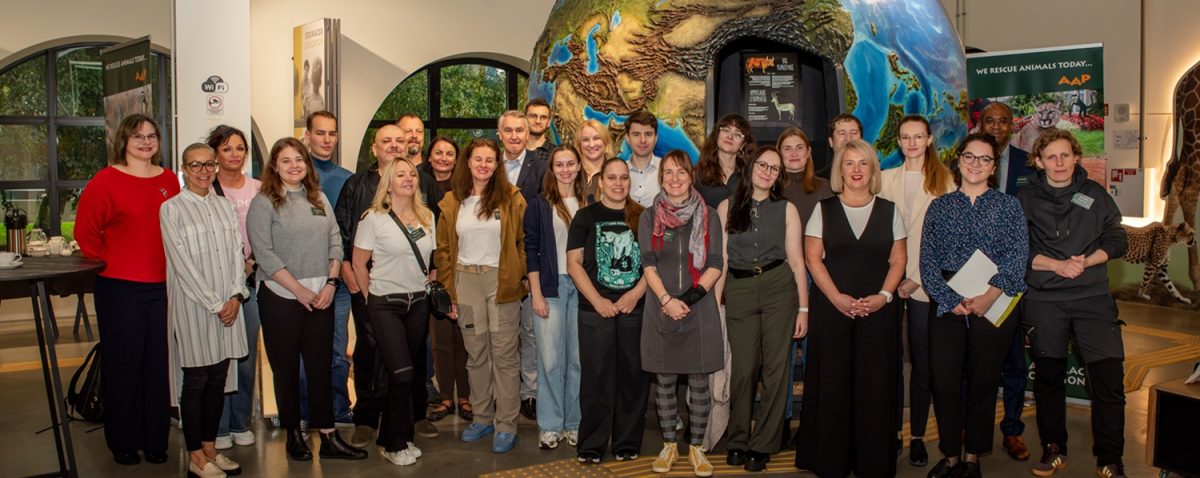
Participants of the workshop in Lithuania. Photo Lithuanian University of Health Sciences.

These discussions drove home the fact that – despite shared interests and concerns across neighbouring countries – regulatory and policy approaches have been piecemeal at best. Yet, the risks associated with the trade in wild animals do not stop at borders.

Finding solutions

The second and final day shifted the conversation from problems to solutions. The hot topic was Positive Lists, which are evidence-backed lists of animal species that may legally be owned as pets; species not explicitly included would no longer be permitted for private ownership. The EU is currently considering an EU-wide Positive List, and – in the meantime – several European countries have either introduced a national Positive List or are in the process of doing so.

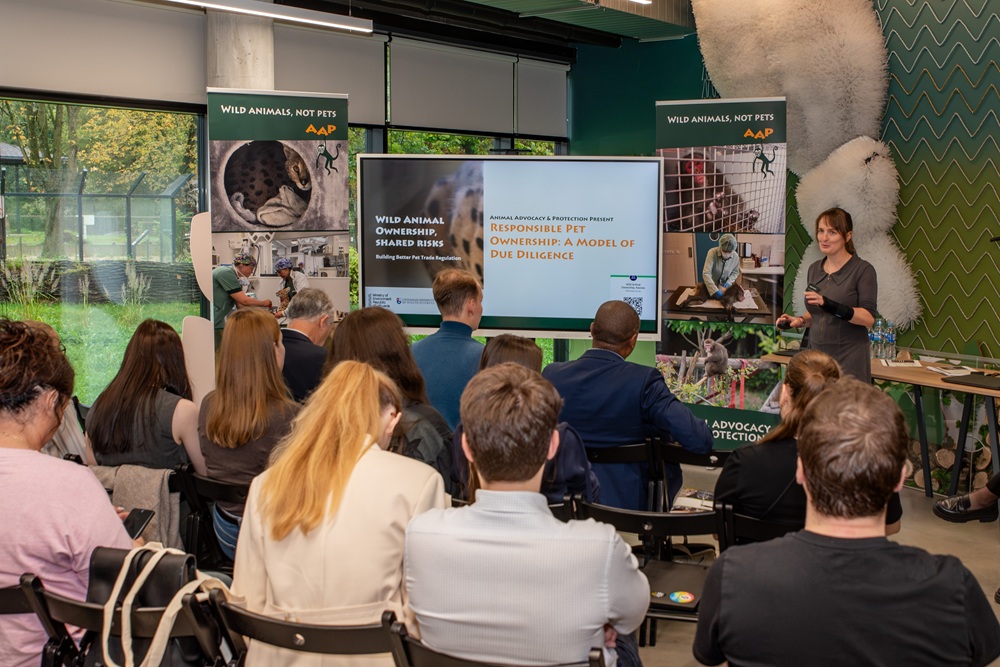
We kicked off the day with opening remarks from Lithuanian MEP Petras Auštrevičius and Gintarė Stankevičėm, Director of the Lithuanian Zoo. AAP’s Policy Officer EU, Michèle Hamers, shared insights about the history of the wild animal pet trade; the facts and fiction about Positive Lists; and the example of the Dutch Positive List for mammals, which has been in place since 2024 and has been upheld in court.

Group of people sit listening to a speaker.
Presentation by AAP's EU policy officer Michèle Hamers during the regional event. Photo Lithuanian University of Health Sciences.

Following on from the discussion of the Dutch Positive List, delegates then heard a presentation about the Lithuanian Positive List –which was introduced in 2022 following amendments to the Lithuania’s Wildlife Protection Act in 2020 – and had a chance to hear about the development of the country’s national rescue centre, which opened in 2024 and has already taken in animals such as lions, tigers and servals.

During the panel debate that followed, panellists explored the pros and cons of Positive Lists and other regulatory tools, and considered what is needed to get the EU and individual countries to finally address the harms of the wild animal pet trade and ownership in a comprehensive way.

Bringing experts together
AAP now looks forward to continuing these conversations and facilitating connections between countries, agencies, and national and regional authorities to help them address the very real harms caused by the trade, breeding and keeping of wild animals as pets.
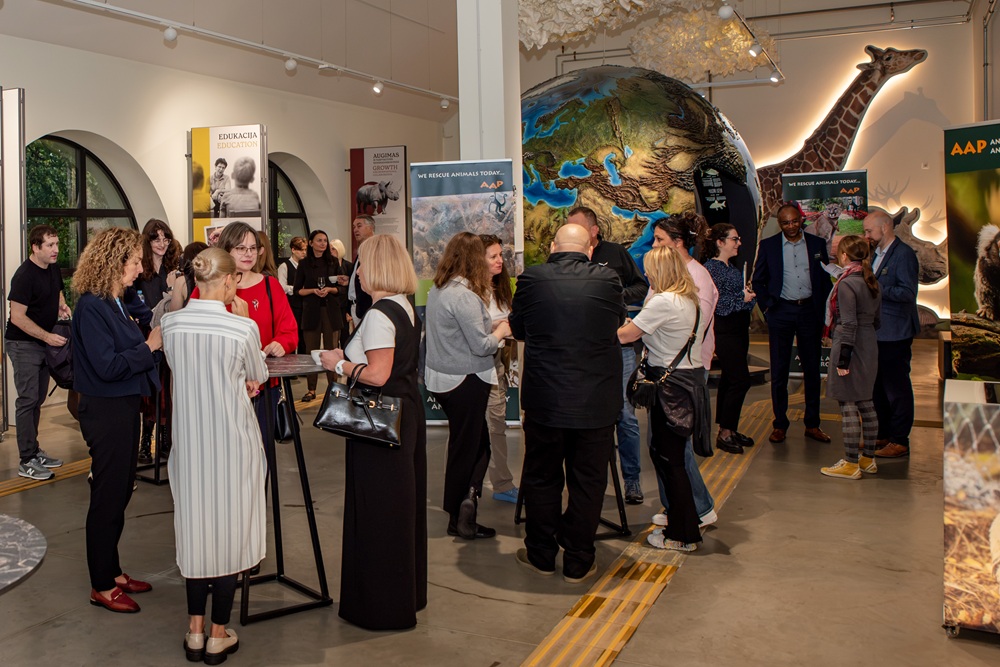
Group of people standing around tables with a large globe in the background.
Participants of the regional event at the Lithuanian Zoological Gardens. Photo Toma Janušaitė.

Other news