
Veterinarian
As the days grow shorter, the leaves fall, and the winter coat comes out of the wardrobe, cold and flu viruses also make their return. It starts with a tickly throat and watery eyes, and before you know it, your ears are blocked and your nose is bunged up.
Since you don’t have a fever, you’re not really ill and can easily go to work… only to infect a large part of your colleagues – or the animals.
Being careful
Since the COVID period, we know very well how to prevent the spread of these viruses: cough into your elbow, wash your hands regularly, and keep at least one and a half metres’ distance – especially around the elderly and small children. But we also need to be careful with the primates.
Primates are extra sensitive to our cold and flu viruses. After all, we’re distant relatives, so besides sharing a large part of our genes, we also share susceptibility to the same pathogens.
Little cough, loud hack and the sniffles
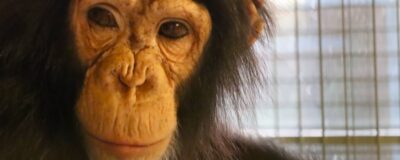
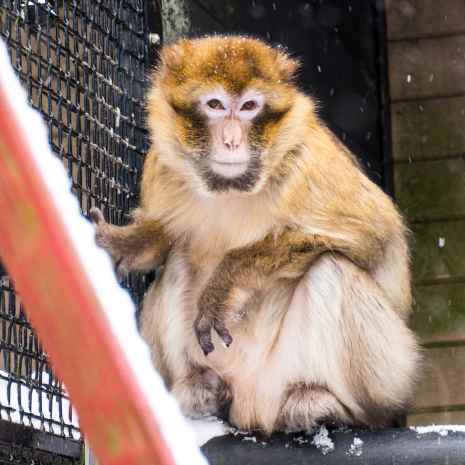
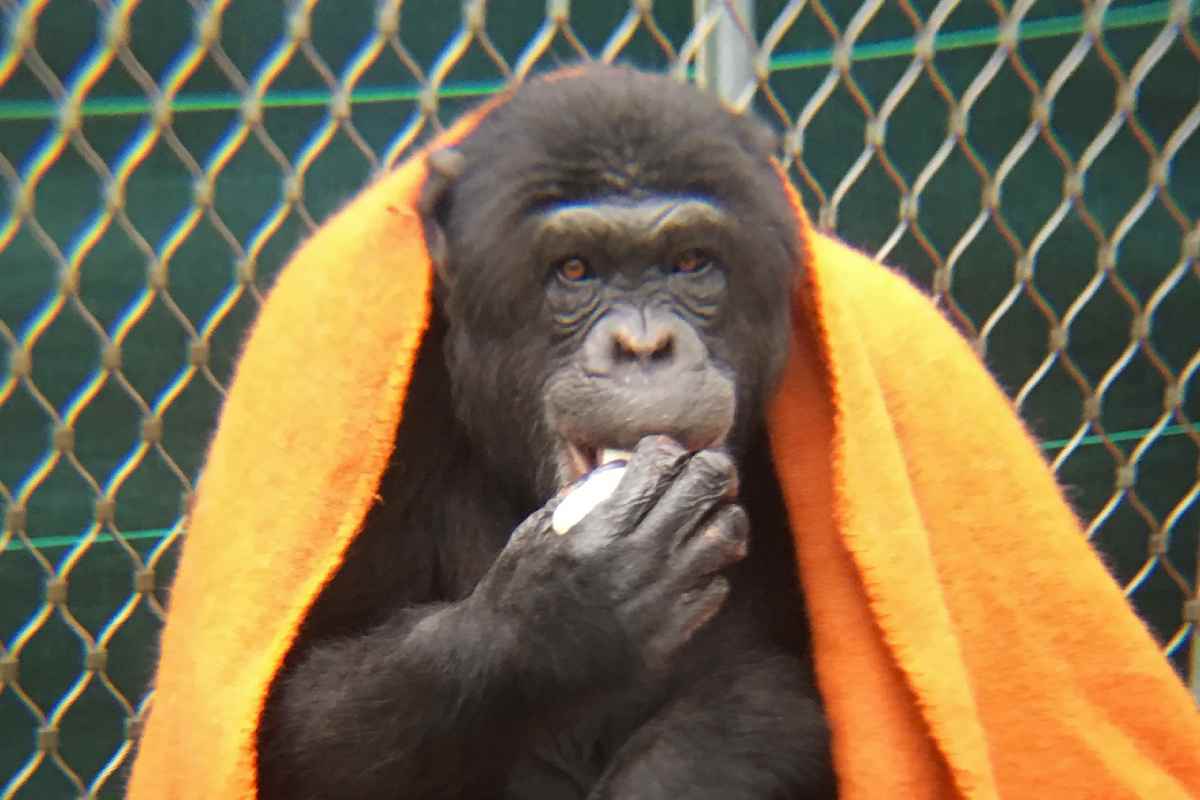
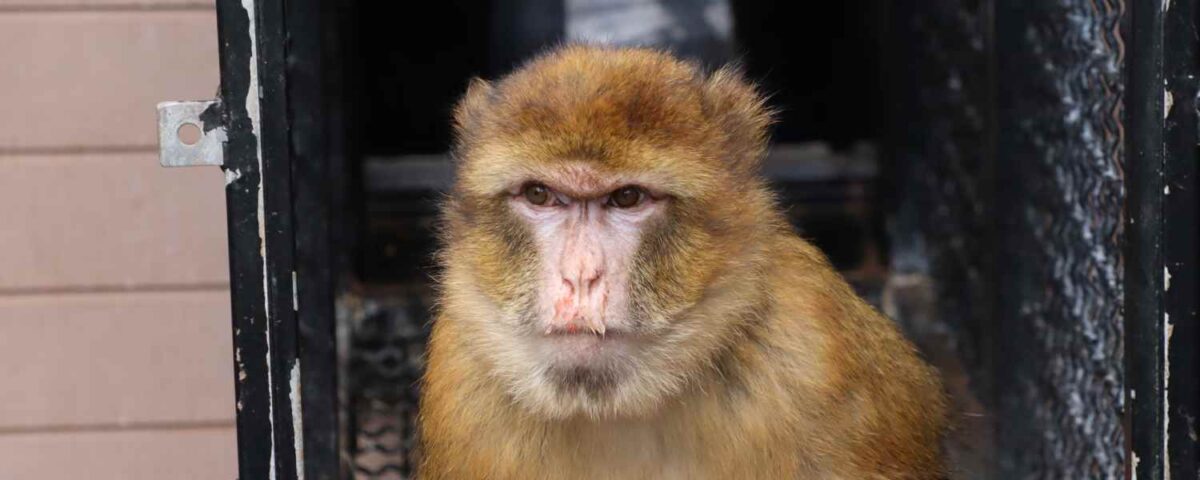
In our Primate Department, it starts with a little cough, then a loud hack or sniffles. A Barbary macaque looks a bit under the weather, preferring to snuggle up warmly against a group mate all day. A chimpanzee hides under a warm blanket and has little appetite. Meanwhile, the coughing spreads like wildfire through the building; some have no symptoms, others mild complaints, and a few are poorly for several days.Pain relief, soft food for the sore throat, and a warm nest usually help the animals recover within a few days. Occasionally, antibiotics are needed if a bacterial infection joins in.
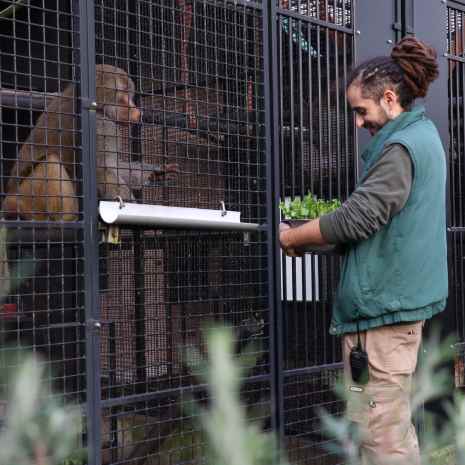
The biggest challenge is treating animals that won’t move and refuse to eat. Using a long stick with a small pouch attached, we try to offer something tasty along with medication. It’s a matter of riding it out. Just like us, they’re usually back on their feet within a few days.
Prevention
Prevention is always better than cure – and much simpler too. If our animal caretakers, staff preparing food for the animals, or other caregivers have a cold, we wear a face mask and wash our hands. And sneezing? That’s done into the elbow. It’s good for the animals, but also for our colleagues. Because during those months with an ‘R’, we all prefer to stay healthy!
Hester van Bolhuis
Veterinarian