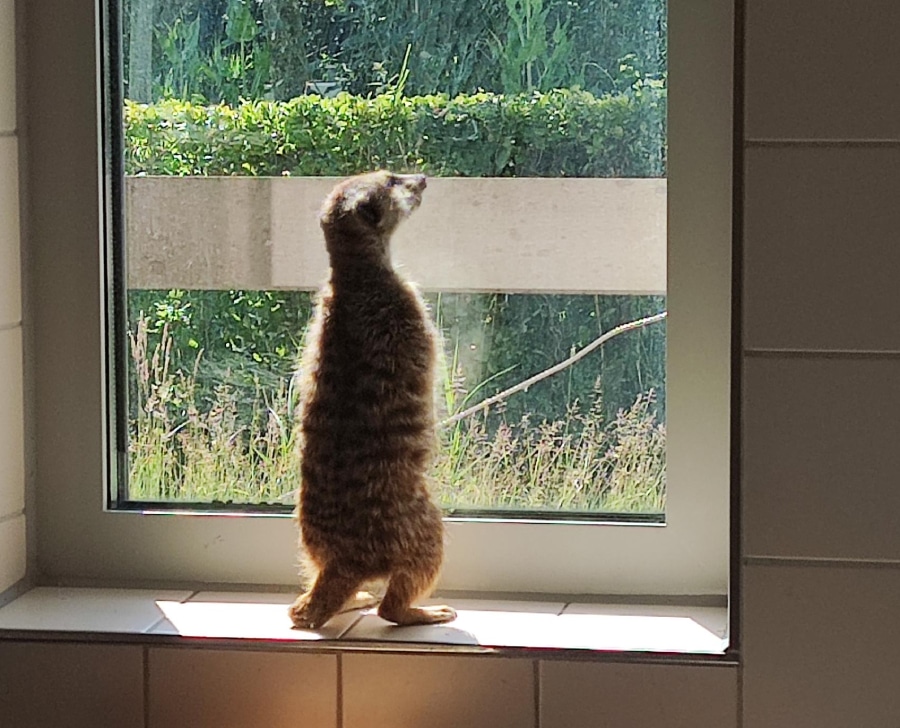
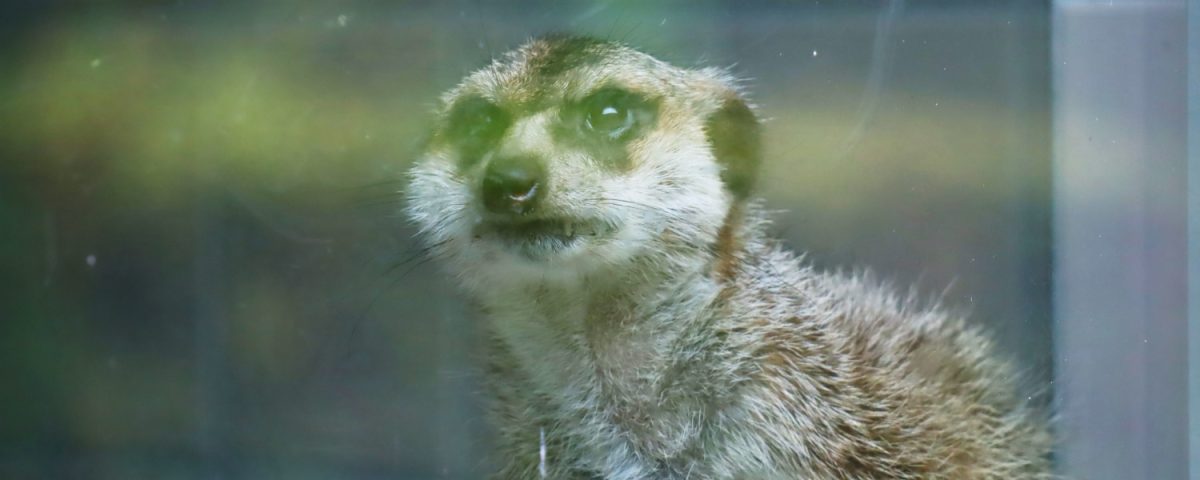
Suricate looking out of a window.

Suricate Stoky: From Car Park to AAP

Suricate Stoky was recently brought to AAP’s rescue centre in Almere. He was handed over by his owner after she had bought him shortly before from a breeder in the Netherlands.

Escaped on his first night

Stoky was sold by a trader and handed over to his new owner in a car park. Upon arrival home, he immediately managed to escape from his transport cage. Fortunately, the animal ambulance was able to catch him quickly. The brand-new owner realised that she did not yet have a suitable enclosure in which the animal could stay safely and therefore decided to contact AAP. And so, one day after his escape, Stoky was handed over to us.

"Unfortunately, we’ve seen this happen far too often. And even so, I find it sad that, in 2024, someone would decide to buy an animal in a car park without realising what could happen. The fact that the animal escaped straight away is one of the least bad scenarios. Fortunately, the Positive List puts an end to these practices."

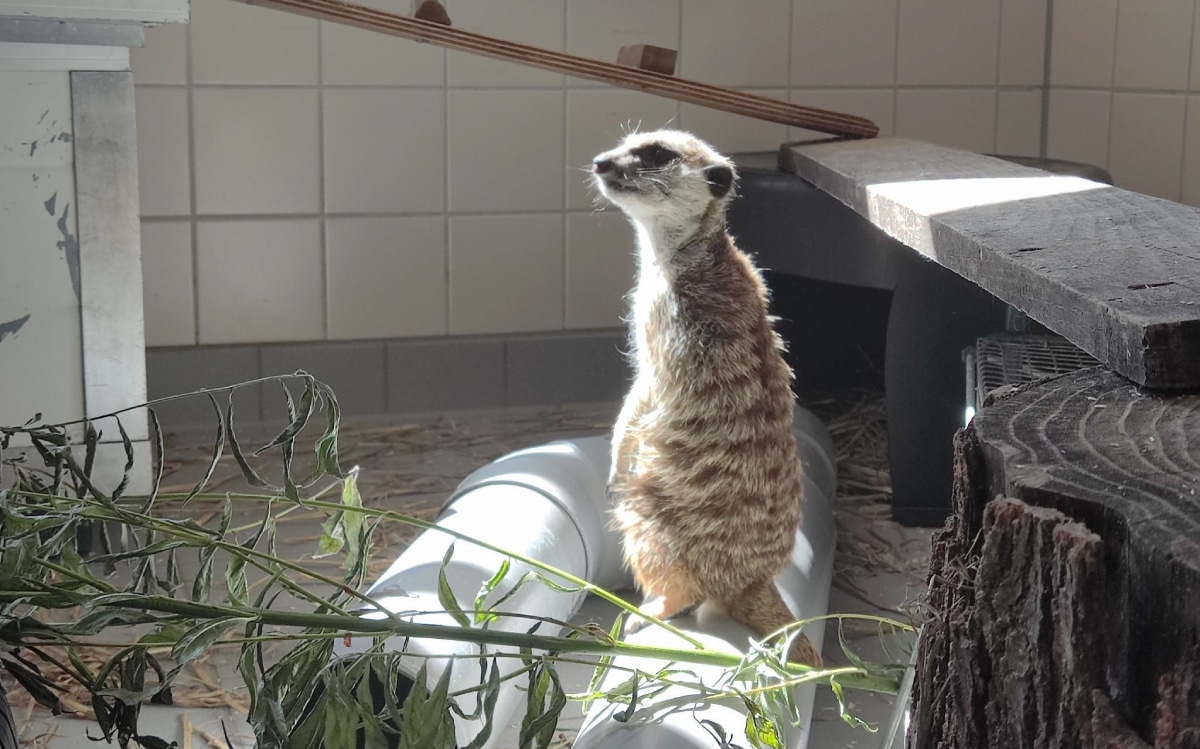
Suricate standing on a log in its enclosure
Suricate Stoky in AAP's quarantine.

Wild animals are not pets

Suricates may look cute, but they are anything but suitable pets. They live in groups and, moreover, need a lot of space. They are known for building complex burrow systems consisting of several levels and featuring multiple entrances.
Part of his tail is missing
Following the failed attempt to keep him as a pet, Stoky ended up at AAP, where he spent his first few weeks in quarantine. On arrival, the specialists noted that he looks older than he is (he is thought to be 3 years old) and that he is missing a piece of his tail. Stoky was given antibiotics and painkillers mixed into his food. He absolutely loves food, even when it contains unpleasant-tasting medication. His diet includes, amongst other things, voles (frozen and defrosted) and insects. He is also friendly and curious towards his caretakers.
Suricate standing in front of a window, looking outside.
Suricate Stoky is looking out of the window of his enclosure in quarantine.

‘’We’ve noticed that he’s used to people. Sometimes we see rather pushy behaviour in carnivores who, like Stoky, are very focused on food. It’s likely that a previous owner raised him in a strict but positive manner. Animals then learn at a young age which boundaries they need to respect and how a positive attitude can lead to better results.’’

Living with other animals of his kind

Stoky is now staying in our Mammals Building. He will soon be moved to one of our outplacement partners, where he will be introduced to other suricates. Then he can finally lead a life worthy of an animal. Thanks to the Positive List, it is no longer permitted in the Netherlands to keep a suricate as a pet. Fortunately, as this prevents a great deal of animal suffering.

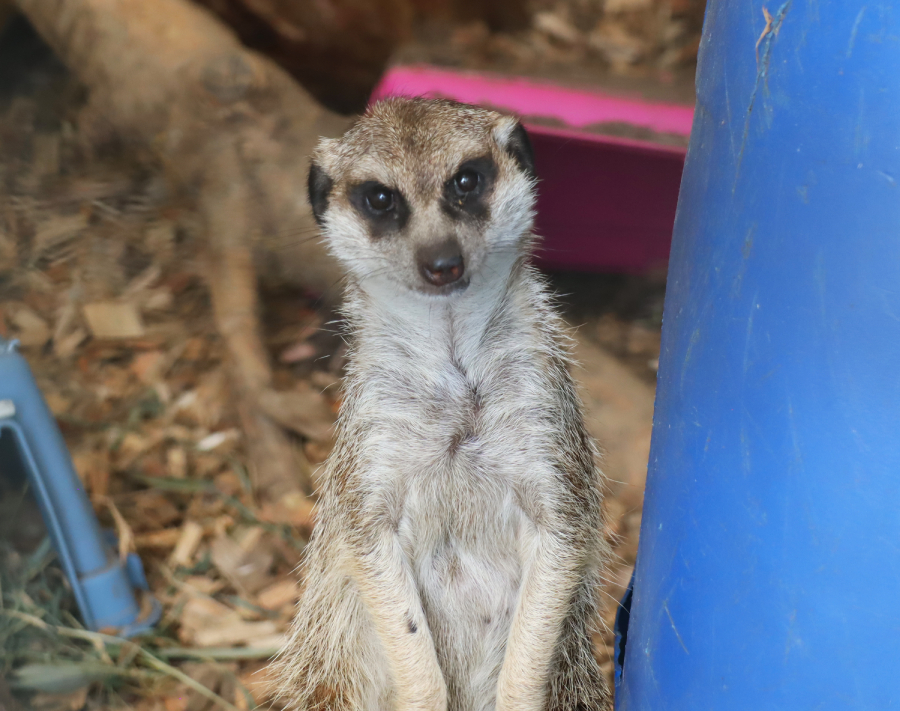
Suricate standing besides a blue barrel.
Suricate Stoky at AAP.

Other news