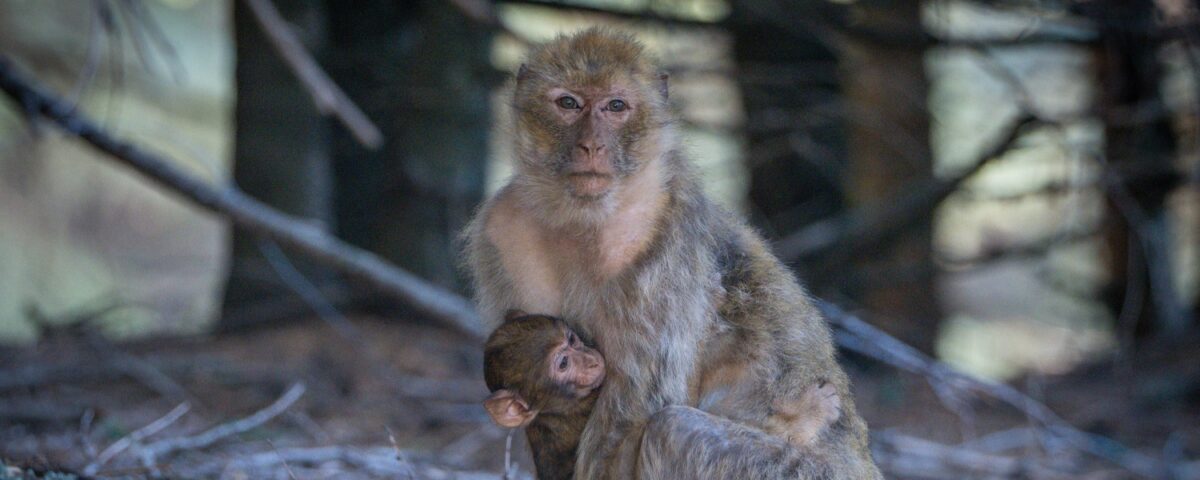
Barbary macaque holding a juvenile

Born to be Wild: first group of Barbary macaques released in the Moroccan wilderness

Wonderful news from Morocco: the first group of Barbary macaques from our Born to be Wild project has been successfully released back into the wild!

Since 2017, AAP (Animal Advocacy and Protection) has been working in two national parks in Morocco to protect the endangered Barbary macaque. Through the Born to be Wild project—made possible by the Dutch Postcode Lottery—and in collaboration with the Moroccan government and other partners, we are tackling the poaching of young macaques and the illegal trade in these animals.

A return to nature

And with great success: in recent years, authorities have confiscated many Barbary macaques, and fewer are being poached from the wild. Slowly but surely, wild populations are beginning to recover. Of course, confiscated animals need a suitable place to live. That’s why we’ve worked tirelessly on this unique milestone in AAP’s history: returning Barbary macaques to their natural habitat. What could be more rewarding than giving these animals back their rightful home?
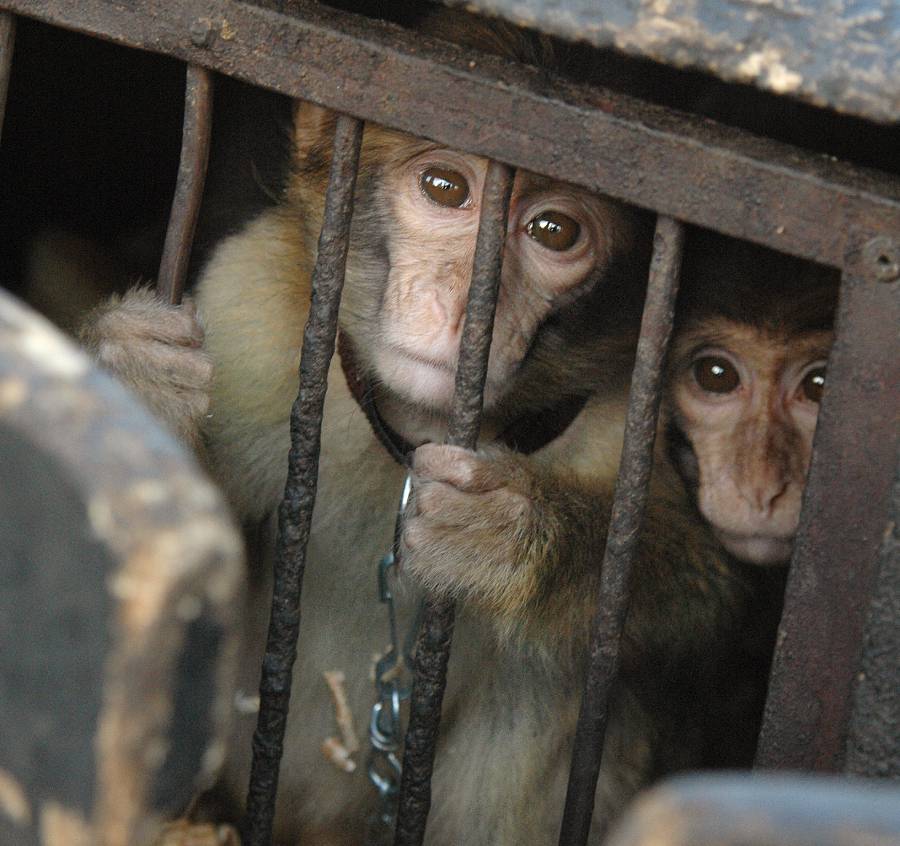
Two Barbary macaques in a cage
Many Barbary macaques have been rescued over the years.

Rehabilitation centre

In 2022, 34 confiscated Barbary macaques were relocated to Tazekka National Park in the Middle Atlas mountain range. These animals had been intercepted from illegal trade. They were destined to become exotic pets or tourist attractions. Thankfully, we were able to intervene, and they were housed in a specially constructed rehabilitation centre run by AAP. Here, they were gradually prepared for life in the wild.

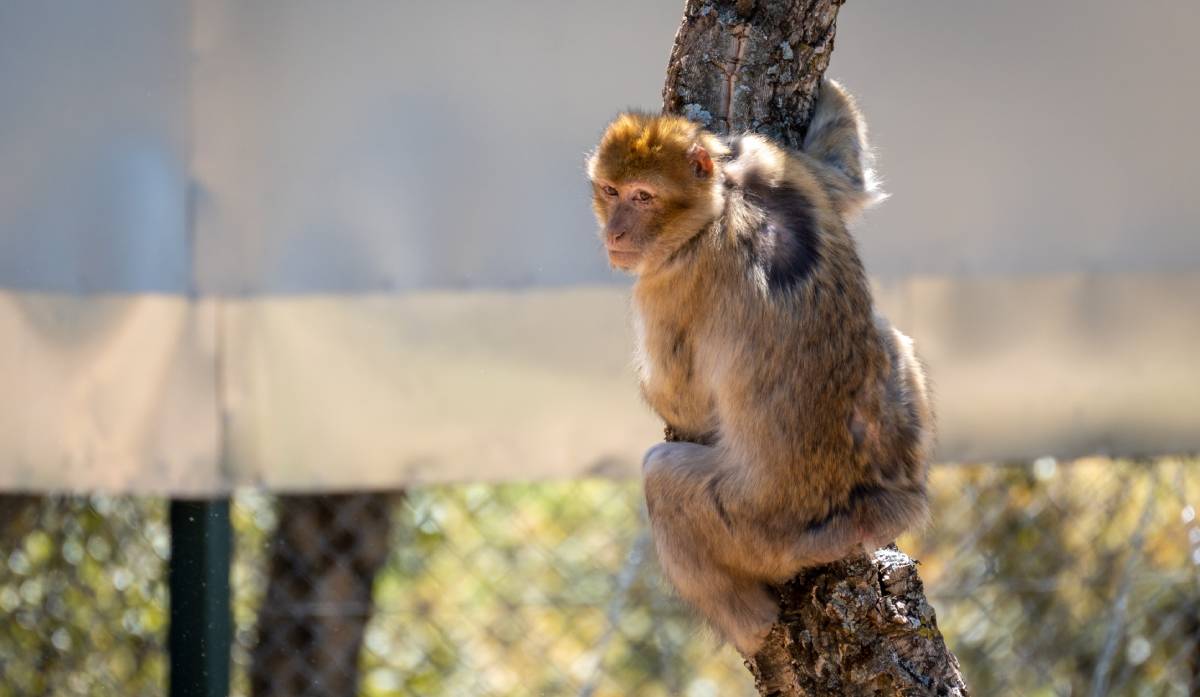
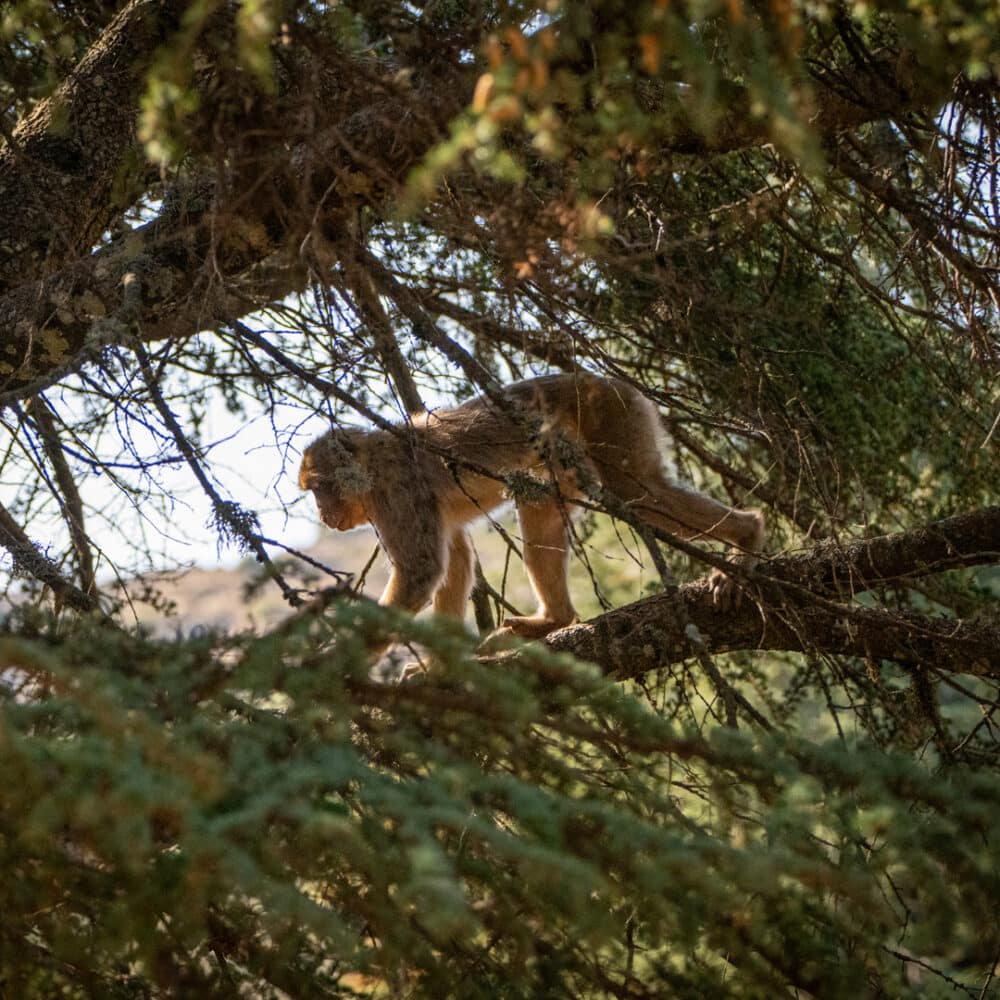
A Barbary macaque climbing a tree
One of the many Barbary macaques in AAP's rehabilitation centre in Morocco.
Forming stable groups
Over the past few years, we’ve worked hard to form two stable social groups. Each group was housed in a large forested area, allowing them to relearn natural behaviours step by step—social interaction, recognising threats such as snakes, birds of prey and dogs, and foraging for food.
Health Checks

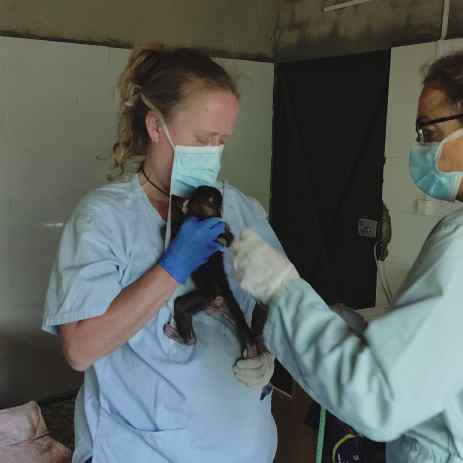
The final major step was a comprehensive medical examination to ensure the animals were healthy and fit for release. It was also essential to confirm they were free from infectious diseases that could pose a risk to other animals or humans in the area, such as tuberculosis or a herpesvirus.

Last week, the moment we’ve all been working towards finally arrived: the first group of Barbary macaques was released!

A baby Barbary macaque is being examined.
Ayoub’s group

This group, known as the “Ayoub Group”, consists of 15 animals: six males, six females, and three juveniles. They were relocated to a mobile release enclosure within the national park. After a short period of acclimatisation, they were released into the forest. The release required meticulous planning and logistics, and was a tense moment for both the animals and our team. To ease the transition, the animals were given access to the surrounding woodland slightly earlier than scheduled.

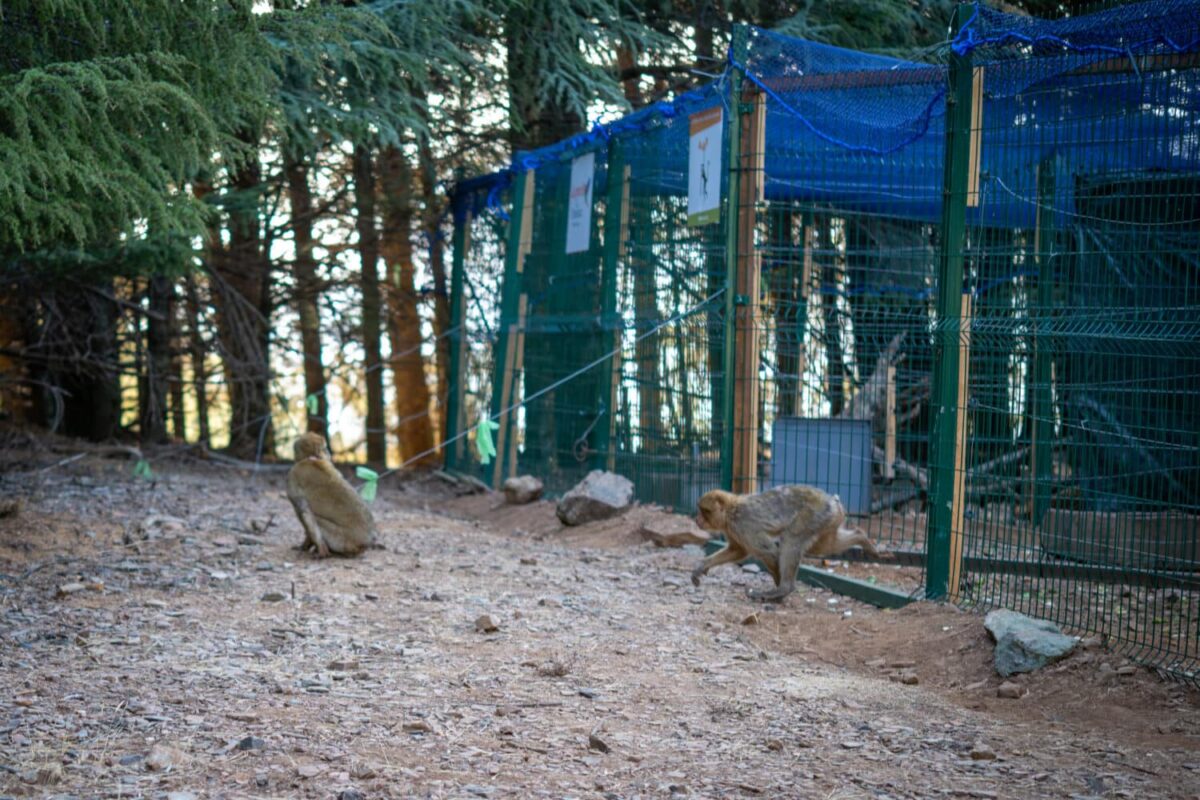
The release happened in two phases: first, the lower-ranking individuals ventured into the trees near the enclosure and calmly began exploring. Shortly afterwards, Ayoub and Sanae—the dominant male and female—were released and quickly rejoined their group to begin their new life in freedom.

wooded area with an enclosure and Barbary macaques.
The very first Barbary macaques leaving the enclosure.
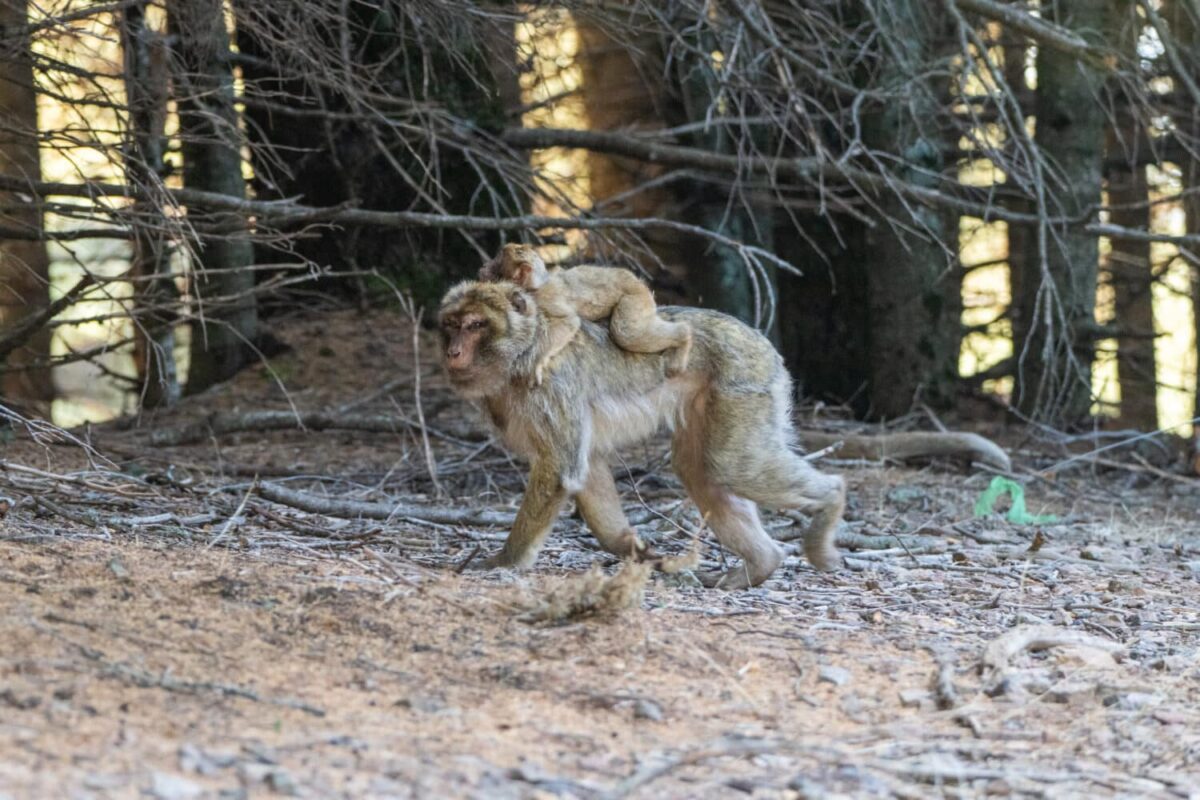
A Barbary macaque with a baby on its back.
The juveniles tightly hold on to their parents.
Climbing Trees

Initially, the macaques struggled with climbing due to brittle branches, but they soon overcame this challenge. Ayoub quickly displayed protective behaviour towards his group—a promising sign, as this is exactly what a dominant male should do in a Barbary macaque troop.

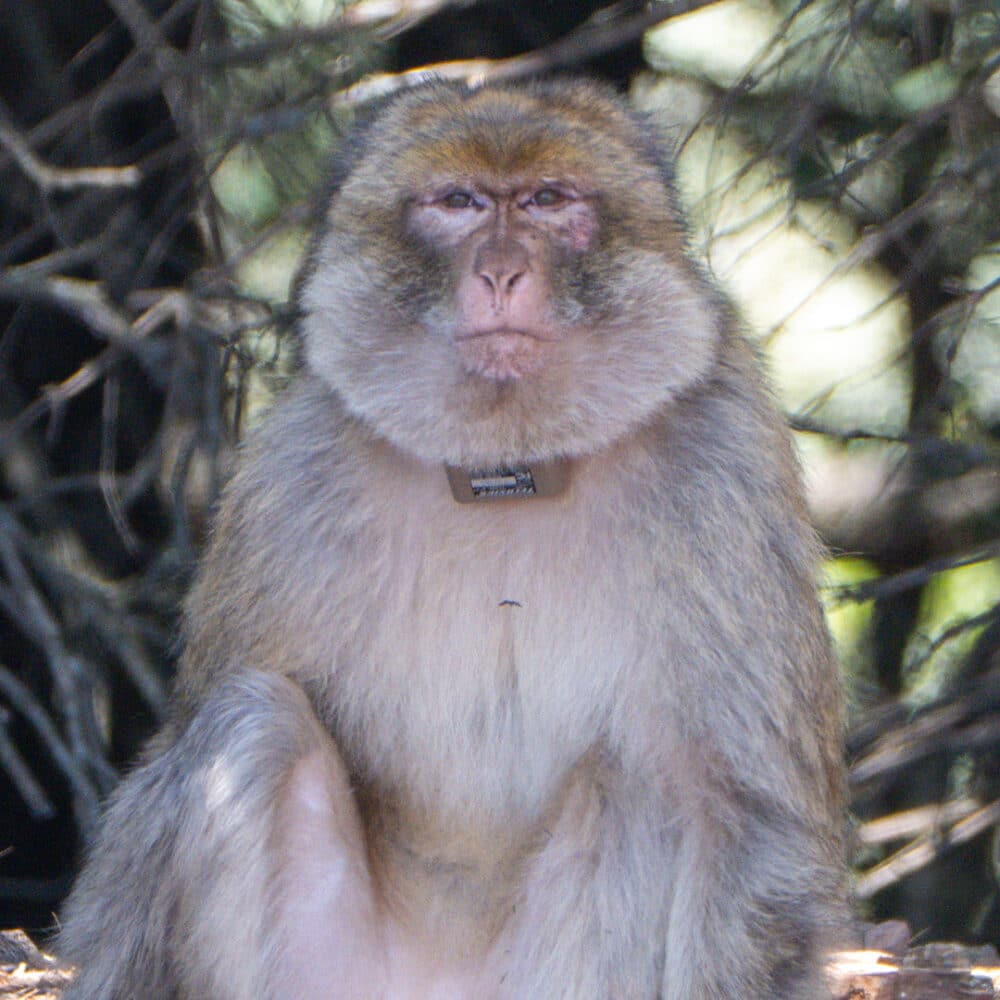
The released group will be monitored using GPS trackers, allowing researchers to study their movements and behaviour in their natural environment.

Barbary macaque with a tracker.
One of the Barbary macaques with a GPS-tracker.

"Over the past 20 years, AAP has witnessed the critical plight of the Barbary macaque. In the 2000s, we saw their rising popularity in the European pet trade, a surge in rescue requests, and a dramatic population decline due to illegal trafficking. The inclusion of the Barbary macaque in Appendix I of CITES in 2016 was a vital step towards their protection. Contributing to their conservation by returning rescued animals to the wild is a dream come true for everyone at AAP.”

Video: first group of Barbary macaques released
Second group

We plan to release the second large group in the spring of 2026. Meanwhile, preparations are already underway for a third group, currently housed at AAP’s rehabilitation centre in Morocco. Their socialisation and rehabilitation process has recently begun. Together with the newly released animals, we hope they will form a thriving new population of Barbary macaques within the protected environment of Tazekka National Park.

A True Milestone
This release marks a significant milestone in AAP’s 20-year commitment to protecting the Barbary macaque in the wild. We extend our heartfelt thanks to every individual, organisation and partner who has contributed to Born to be Wild, including the Dutch Postcode Lottery, ANEF, the University of Rennes, Liverpool John Moores University—and of course, our dedicated donors.
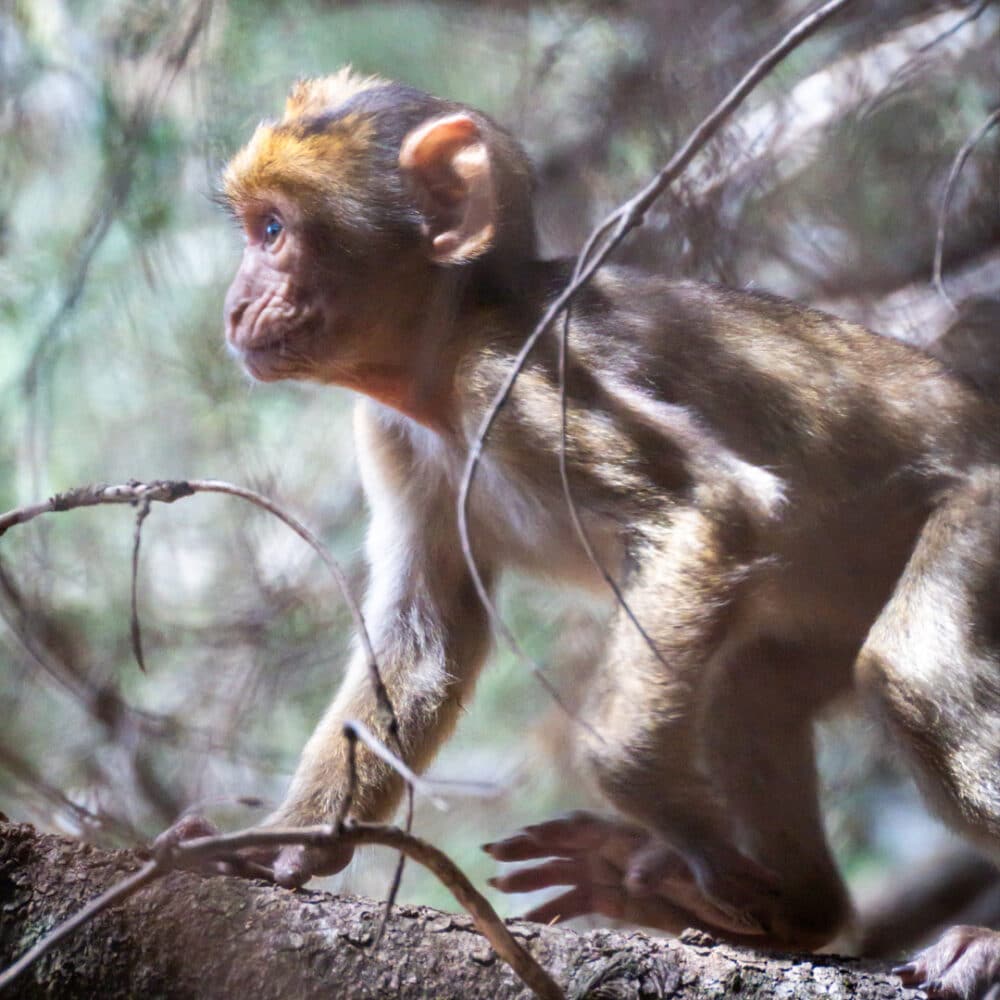
Young Barbary macaque in tree

Born to be Wild project

Project to protect the endangered Barbary macaque.

Other news