Behavioural biologist
Care and self-care in Budongo
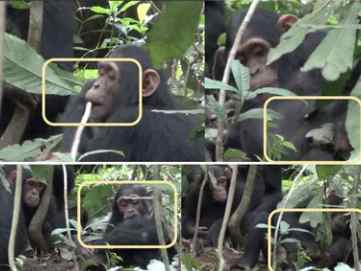
In line with other studies, recent research in Budongo shows that chimpanzees engage in all kinds of behaviours related to care, self-care and hygiene. For example, they clean wounds with their tongues, fingers and/or chewed plant material. They also wipe their bottoms after defecating and genitals are cleaned after mating. Chimpanzees do this to themselves, but also to other members of the group. The animals also free each other from traps.
These behaviours teach us more about chimpanzees, but can also contribute to a better understanding of the origins of our own complex care systems.
Hygiene at AAP
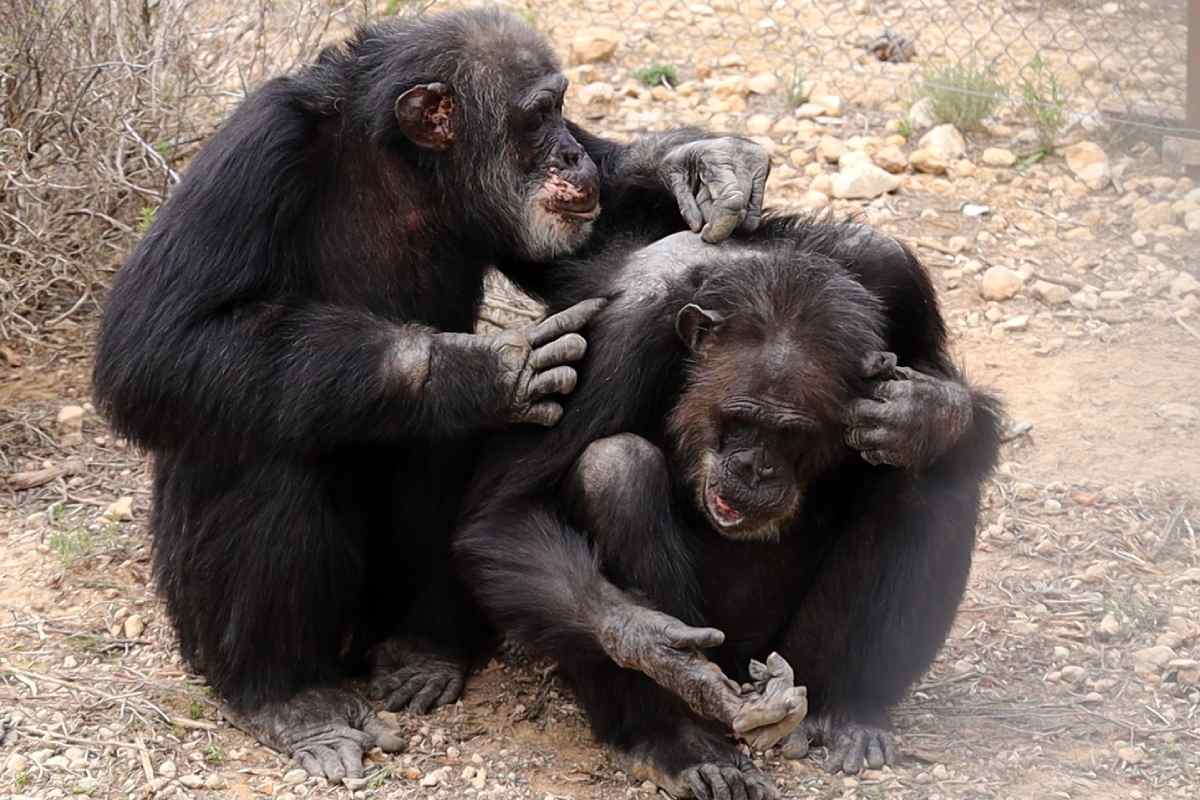
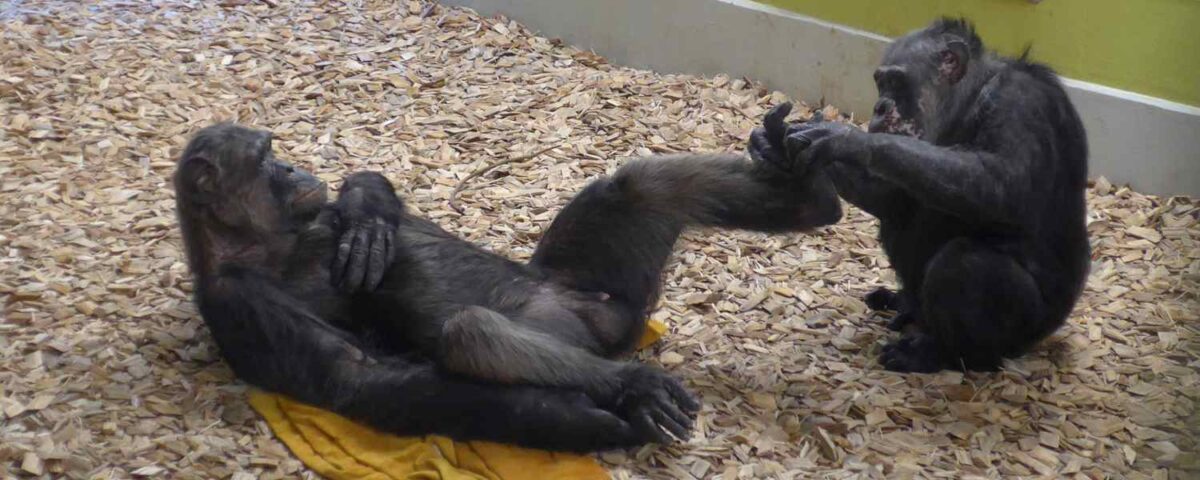
The chimpanzees at AAP also display many hygienic behaviours, both towards themselves and towards others. For example, the animals groom each other frequently to remove dirt and parasites from their fur, and we see them caring for each other’s wounds after a conflict.
Abnormal behaviour
However, we also see a lot of unhygienic behaviour at AAP. For example, some chimpanzees throw faeces, eat vomit and make “faecal paintings”. We refer to this behaviour as abnormal: behaviour that deviates from the natural behaviour pattern of the species in the wild.
Abnormal behaviour can arise, for example, when animals have lived in poor conditions and have had to cope with inappropriate housing, unsuitable food and social isolation.
Reduction
Naturally, we would prefer not to see this abnormal behaviour, and at AAP we do everything we can to reduce it. Through socialisation with other chimpanzees, suitable housing, enrichment and a healthy, varied diet, we are almost always able to achieve this!
Kelly Lavooij – van Leeuwen
Behavioural biologist