AAP (Animal Advocacy and Protection) is once again raising the alarm after Dutch singer Hind Laroussi posted a new video on Instagram showing her interacting with captive lions despite earlier warnings about the harm this causes.
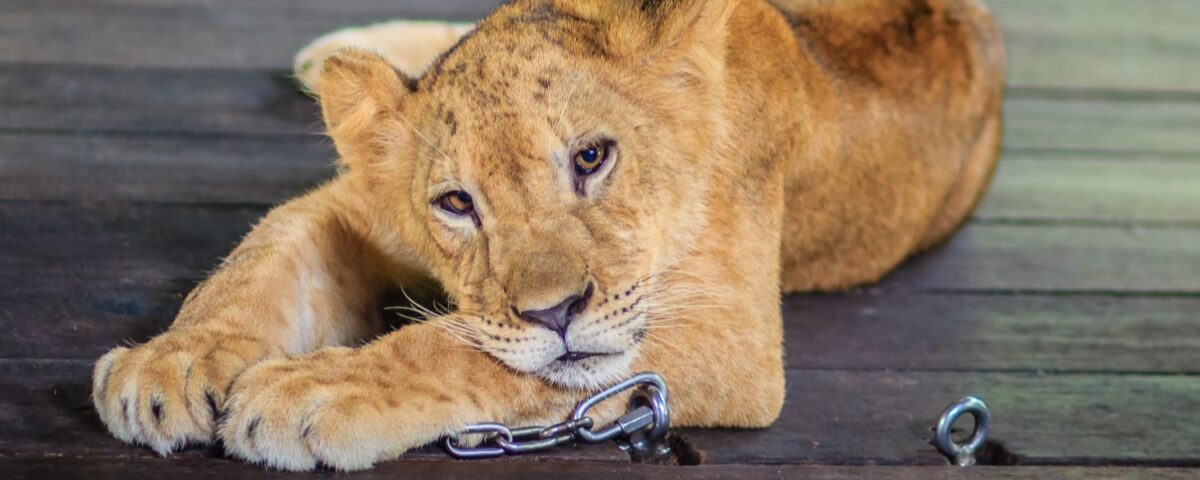
The video, shared last week with her 1.6 million followers, shows the singer among a group of young lionesses. The animals appear extremely lethargic and unresponsive. At one point, Hind lifts a lioness’s tail without any reaction. Ironically, she added the hashtag #WildAndFree to the video, even though the lions are shown on concrete floors, behind steel fences – far from wild or free.
On 15 May, AAP contacted her via Instagram Direct Message, asking her to remove the video due to the risk of promoting animal cruelty. AAP explained that, though many people that participate in these ‘experiences’ are unaware, such imagery and practices contribute to the exploitation of wild animals, the illegal trade in lions, and the normalisation of animal abuse. No response was received.
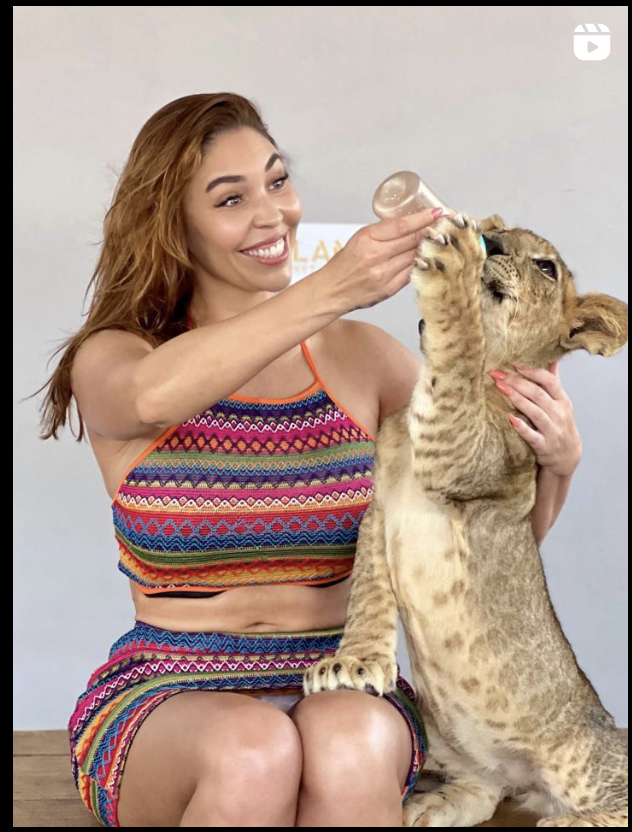
On Sunday, Hind posted a new video in which she bottle feeds a lion cub. Together with our partners, World Animal Protection and Stichting SPOTS, AAP is therefore making a public appeal to the singer to stop sharing and endorsing this type of content. With such a large audience, we urge her to take responsibility for the influence she holds and to help protect — not harm — wild animals.
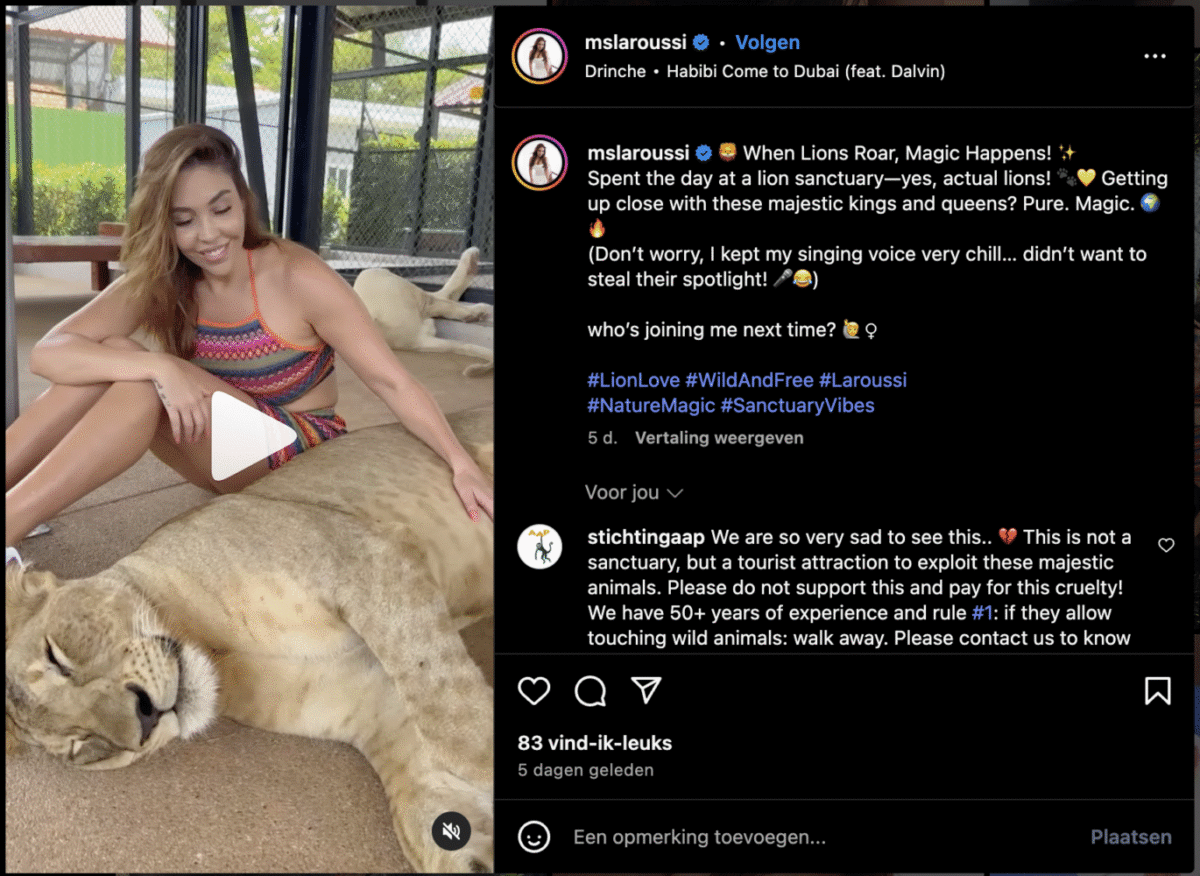
The first video Hind posted, showed her interacting with lions on the Thai island of Phuket. On 15 May, AAP approached her via Instagram’s Direct Messaging to remove this post because it involved animal cruelty. No response was received.
Wild animals abused for likes
The post was tagged as being filmed at a “Lion’s Sanctuary”, which is in fact “Lion Land” — a commercial tourist attraction in Phuket that sells hands-on experiences with lions, including very young cubs. A genuine sanctuary would never allow this kind of contact between wild animals and visitors. Such interactions may look harmless – and visitors may be unaware of the suffering the lions experience – but they are based on exploitation and abuse of the animals involved.
The circus has moved online
Now that nearly all EU Member States have banned the use of wild animals in circuses, this form of entertainment is shifting to social media. Platforms like Instagram and TikTok are becoming a new stage for the exploitation of wild animals. Hind’s posts — reaching a vast European audience — risk fuelling demand for unethical wildlife encounters. When content like this goes viral, it helps sustain a global industry of abuse. Visitors are misled. Animals are abused. And unlike circuses, which are visible and easier to monitor, the harms from these forms of entertainment are often hidden from view. The lions in these videos are out of reach — unless we take action to stop the promotion of wild animal abuse online.What you can do
- Avoid animal interactions on holiday. If you are travelling in-or-outside Europe, do not visit places that allow direct contact with wild animals. These experiences are based on animal suffering.
- Speak up. If such activities are included in a tour package, contact the operator to let them know this is not acceptable.
- Report harmful content. When you come across posts that promote direct interaction with wild animals, report them. Awareness is the first step toward change.