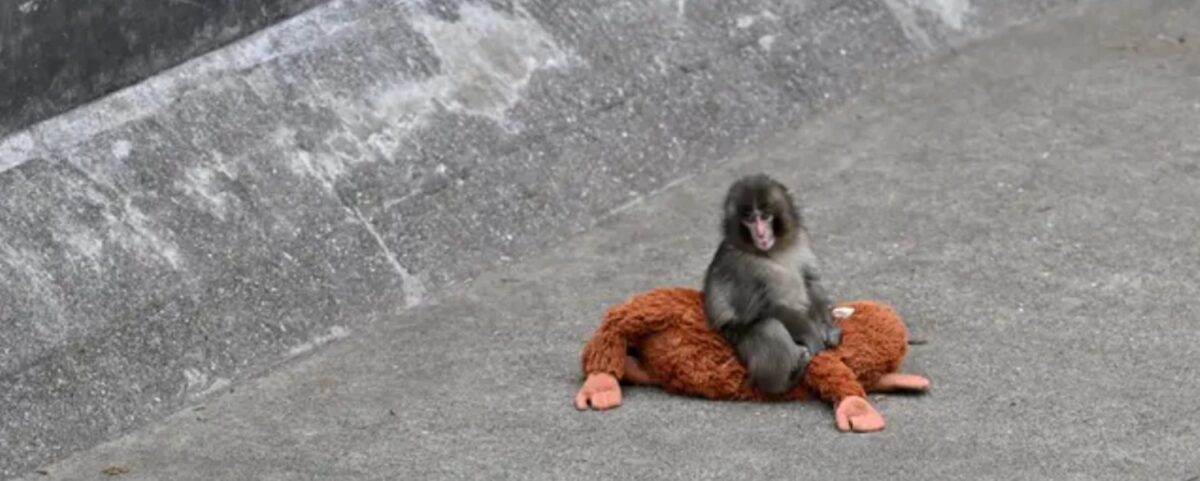

Footage of the young Japanese macaque Punch at the Ichikawa Zoo in Japan has captured attention around the world. It highlights the issue of young primates sometimes being rejected by their mothers. for example due to lack of experience. In the wild, this is often resolved by other animals in the group taking care of the young, but for animals in captivity, the consequences can be enormous.
At AAP, we regularly receive young animals that must cope without their mothers from an early age – not because they were rejected, but because they were taken from their mothers for the (illegal) wild pet trade. We know first-hand that the consequences of growing up without a mother are severe.
A major impact on development
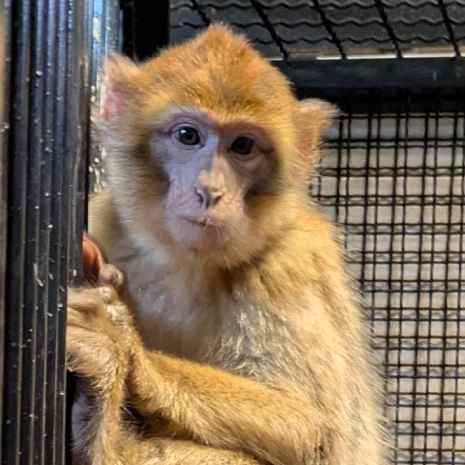
Many young animals caught in the illegal wildlife trade are taken from their mothers just days or weeks after birth. One example is young Barbary macaque Chitto, who was only a few months old when AAP rescued him from a private home in Germany. He had been given as a “birthday present” to a private individual.
This early separation causes significant social and emotional damage to young Barbary macaques. Scientific research and our daily experience at our rescue centres show that young primates raised without their mothers have a high risk of developing abnormal behaviours, such as self harm. These effects can last a lifetime.
That is why it is crucial that rescued primates are introduced to members of their own species as soon as possible. But before that can happen, they must first undergo a thorough medical check.
Socialising step by step
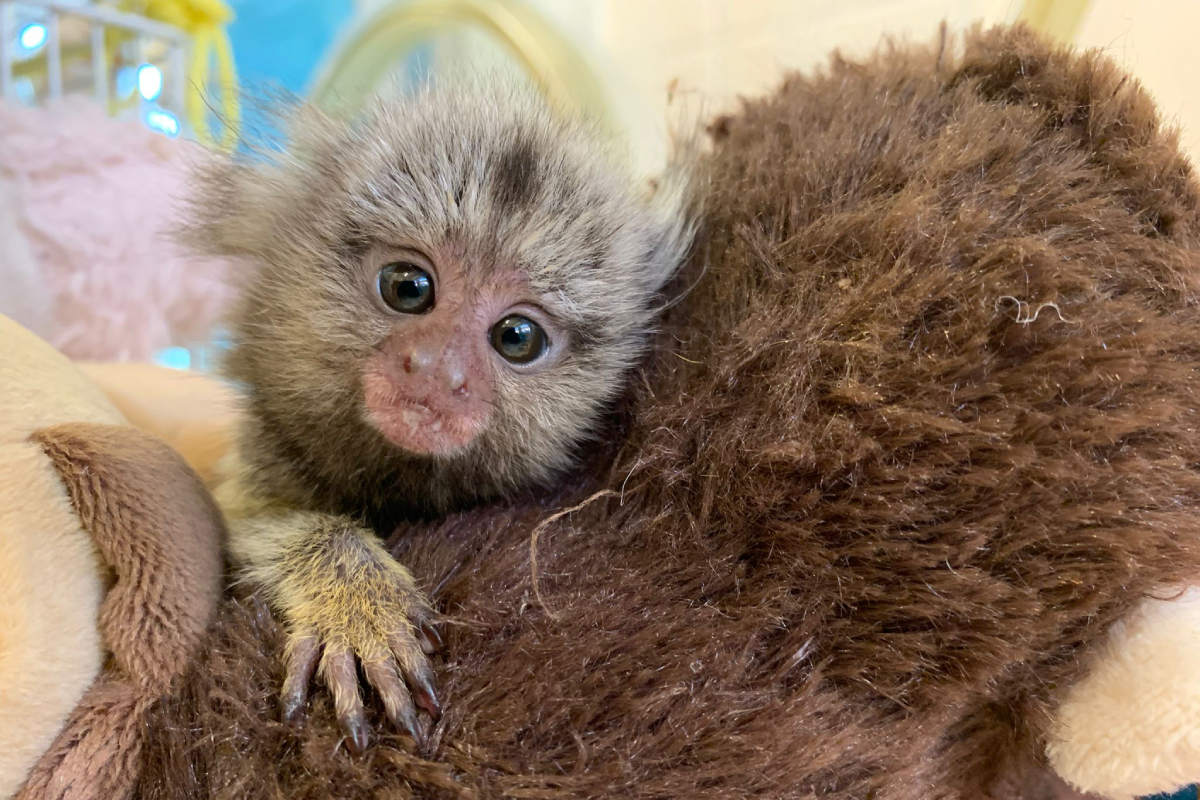
For very young animals, AAP often provides a soft toy or blanket in the initial phase as temporary emotional support – much like the toy orangutan gifted to Punch. As soon as the animal is medically cleared, the socialisation process begins and we search for a suitable foster mother with whom the youngster can form a bond. This takes place in specially designed facilities where animals can be introduced to one another gradually and safely.
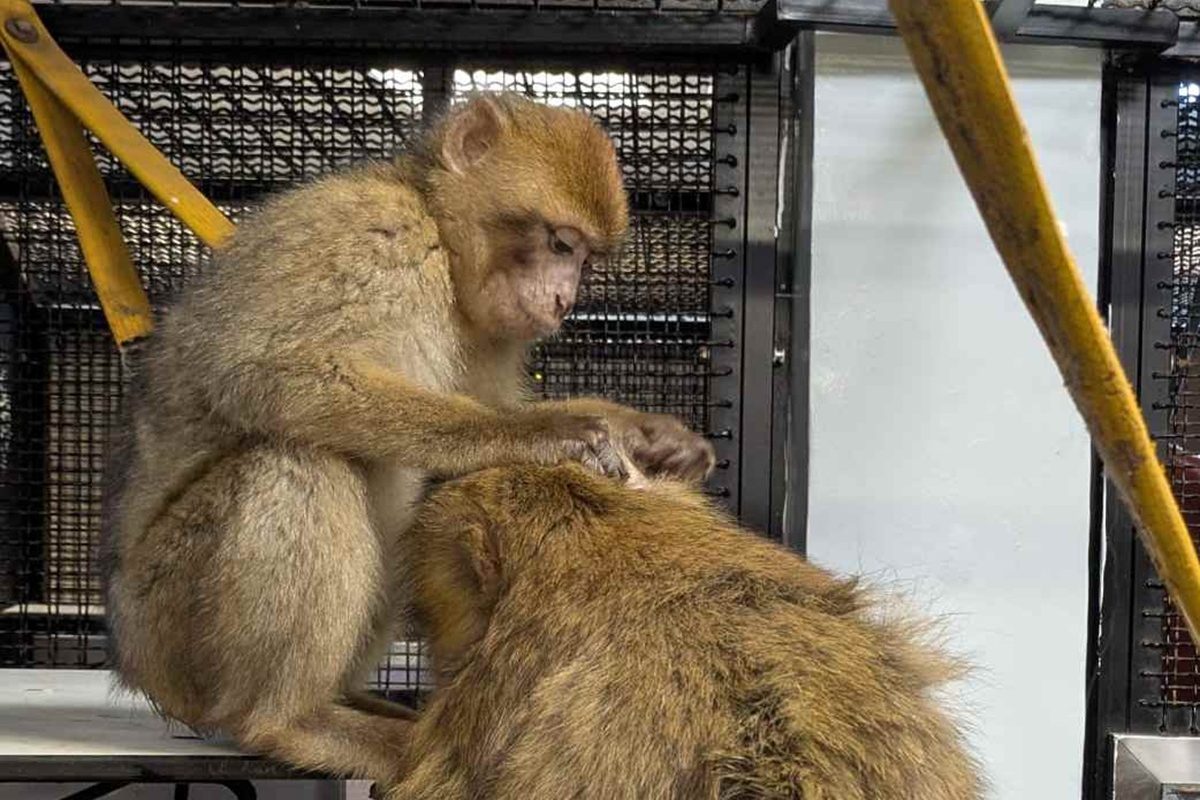
A foster mother does much more than offer warmth and affection: she teaches essential social skills. These are crucial for healthy development and for a future within a group. Chitto has now been introduced to his foster mother Beatrix, and they are starting to build a relationship – for instance, Beatrix is helping Chitto to develop his grooming behaviours.
More young animals
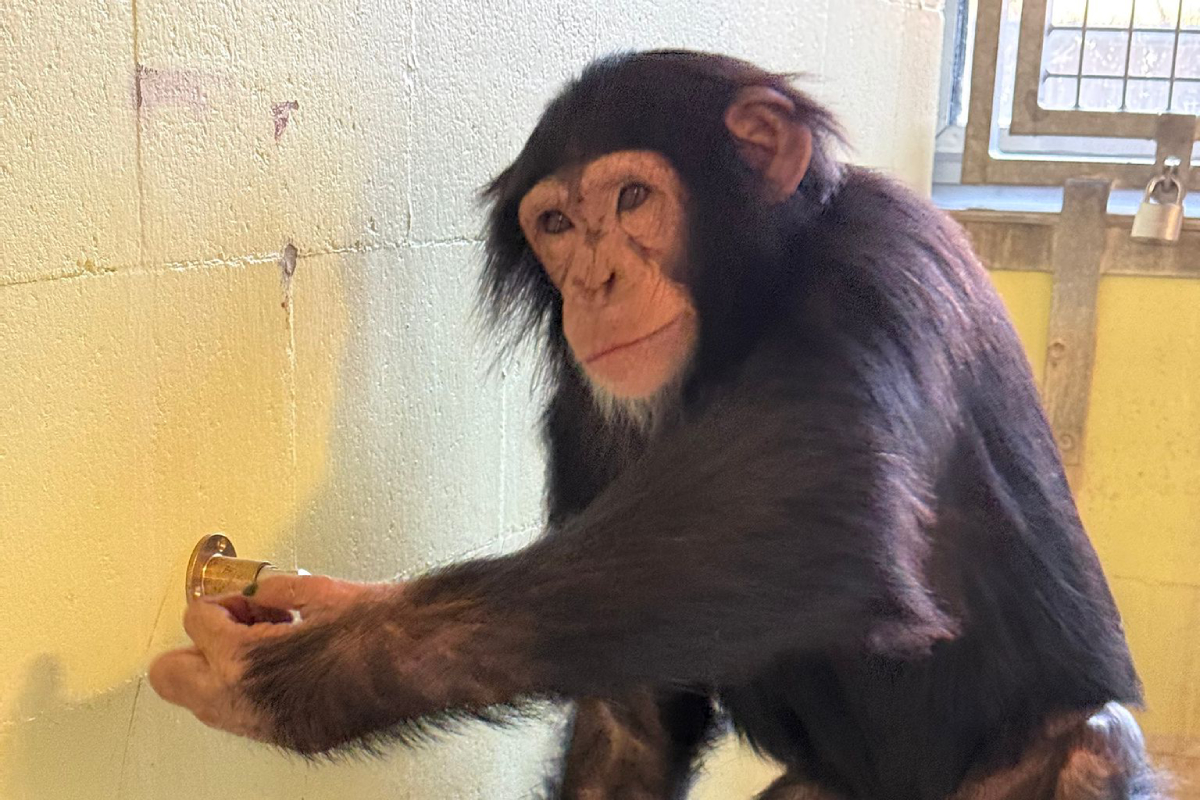
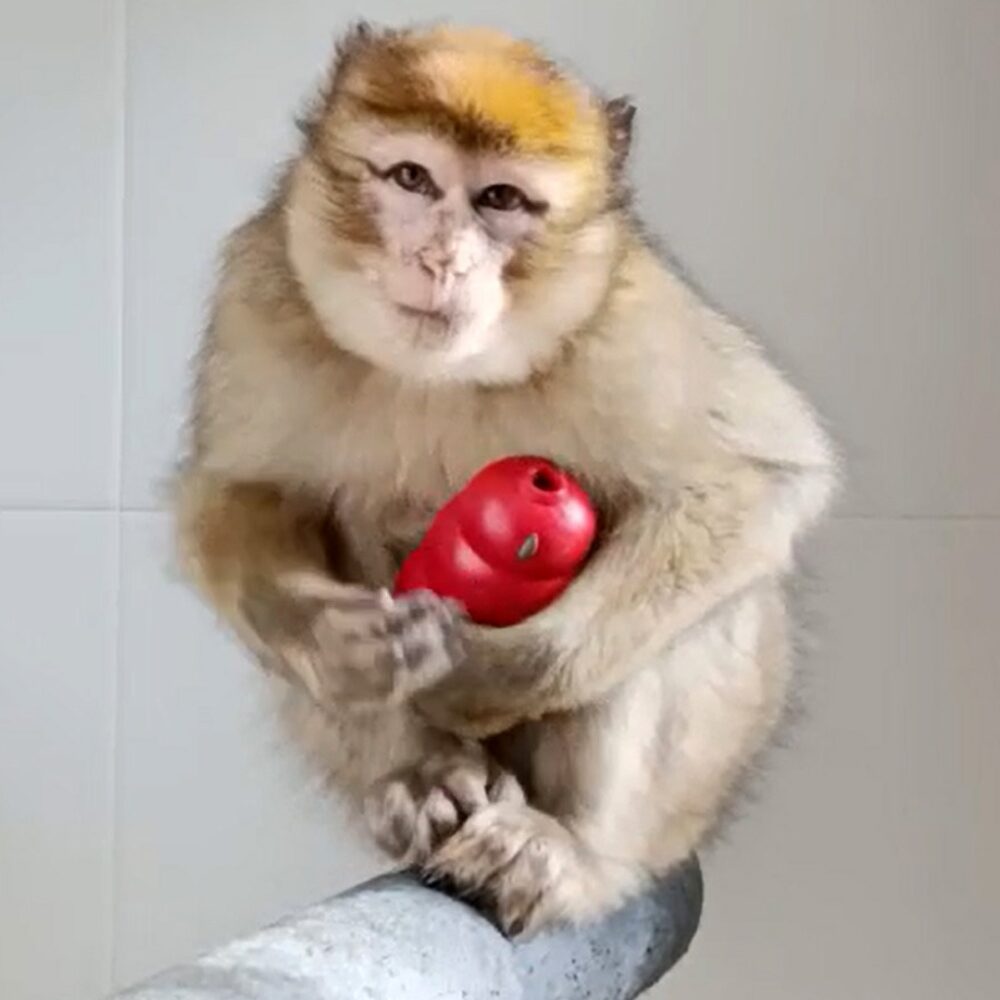
In a short period of time, AAP has cared for several young primates separated from their mothers far too early. Chitto is one example; we have also rescued Barbary macaque Lu, who was found on the streets in France, and young chimpanzee Giggi, who was kept as a pet in Sicily. All of them require intensive care and a foster mother to help mitigate the effects of early maternal loss.
Why an EU Positive List is essential
The popularity of exotic pets and the romanticised portrayal of primates on social media continue to fuel demand for these animals as “pets”, even though keeping primates is prohibited in many European countries.
An EU Positive List that clearly defines which exotic species are suitable to keep can prevent young primates from becoming victims of illegal trade and save them from tragic lives in private homes. AAP continues to strongly advocate for this.
Eva Schippers, behavioural biologist and Head of Rescue & Rehabilitation at AAP, was recently interviewed by Dutch newspaper AD to explain this issue. Read the article here.