
Born to be Wild: the Barbary macaques faced a harsh first winter in Morocco

Six months on from their release back into the wild, we have an update to share about our group of 15 Barbary macaques and how they’ve fared since they left their enclosures and swung off into the trees towards freedom.

The primates, who had been rescued from poaching and illegal trafficking, were the first group to be released by the Born to be Wild project. They faced a harsh winter in Morocco that not all were able to survive – but we continue to track nine of the Barbary macaques and learn more about their experiences in the wild.

A second chance at a wild life

The release of the first group in October 2025 marked a milestone for the conservation of the Barbary macaque, paving the way for other rescued animals to regain their freedom in the wild and ensuring the species’ survival in areas where it should never have gone extinct.

For the Born to be Wild project, AAP Animal Advocacy and Protection is collaborating with ANEF -Agence Nationale des Eaux et Forêts (Moroccan National Agency for Water and Forests), Liverpool John Moores University, and the University of Rennes.

Together, we’re reintroducing this flagship primate species of Morocco into the wild at Tazekka National Park.

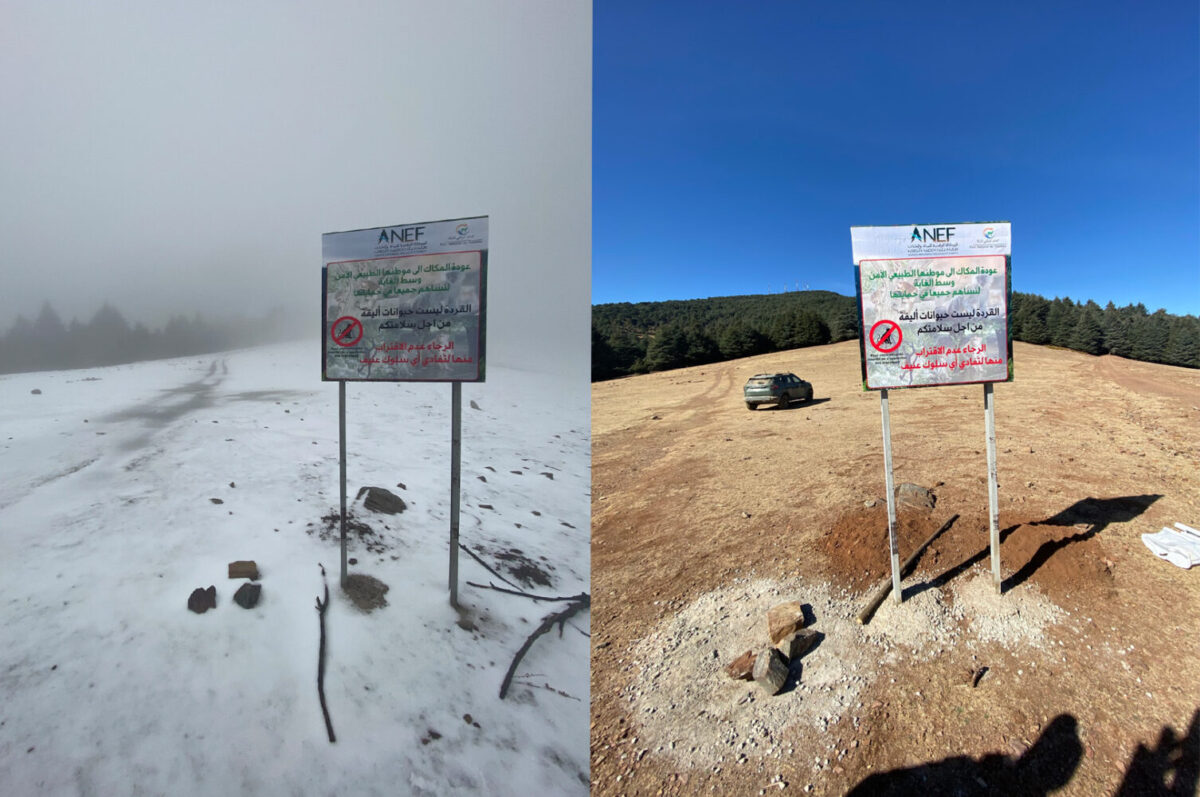
Two photos of a sign in normal weather conditions and after snow fall.
Information sign of the Born to be Wild project in winter, and after snow fall.

An exceptionally harsh winter

A mild autumn gave the animals access to an abundance of seeds, acorns and insects. The macaques were initially able to move around and find shelter, food and resources in the area.

However, the region was then hit by unusually severe weather. The winter in the region was the harshest in the last 10 years and the rainiest in Morocco since 1989. This resulted in extremely difficult conditions for the animals and their monitoring due to the weather and the rugged, rocky terrain of the mountains.

From mid-December until March, the field team had to contend with heavy snow, fog, and rain, which posed a huge challenge for the newly released group and hindered proper monitoring.

Nature can be extremely harsh. Sadly, the extreme weather conditions caused the deaths of two macaques: Ayoub and Sanae, the alpha male and female of the group. The trail of four more of the macaques has also been lost, and given the heavy snowfall in the area, it is very likely that they have also died.

"For the post-release monitoring team, it was very hard not knowing what was happening to the animals during the entire time it was impossible to go to the mountains. Not knowing what was happening to the group – whether they were still alive, what their condition was, if they were together, etc. Having all those questions swirling around the team’s minds and not being able to answer any of them for weeks was very frustrating."

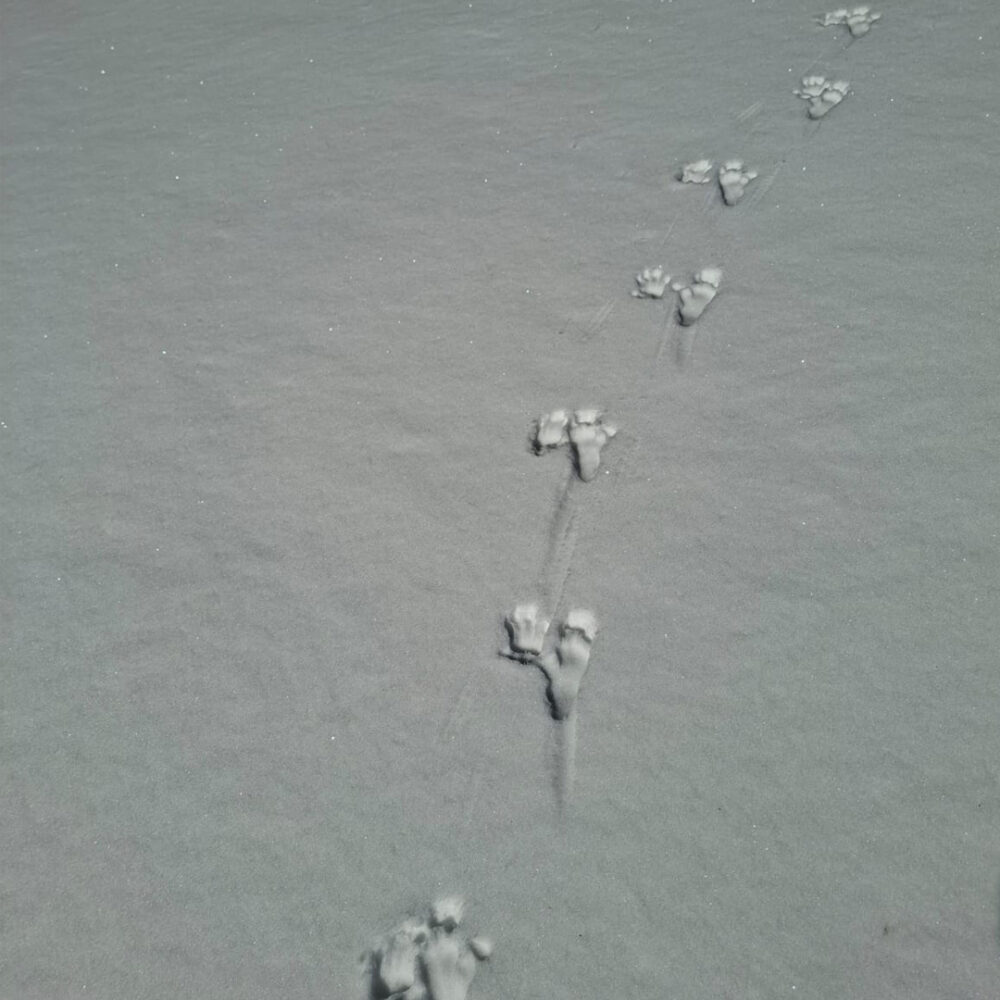
Footprints of Barbary macaques in the snow.
Tracks of Barbary macaques in the snow.
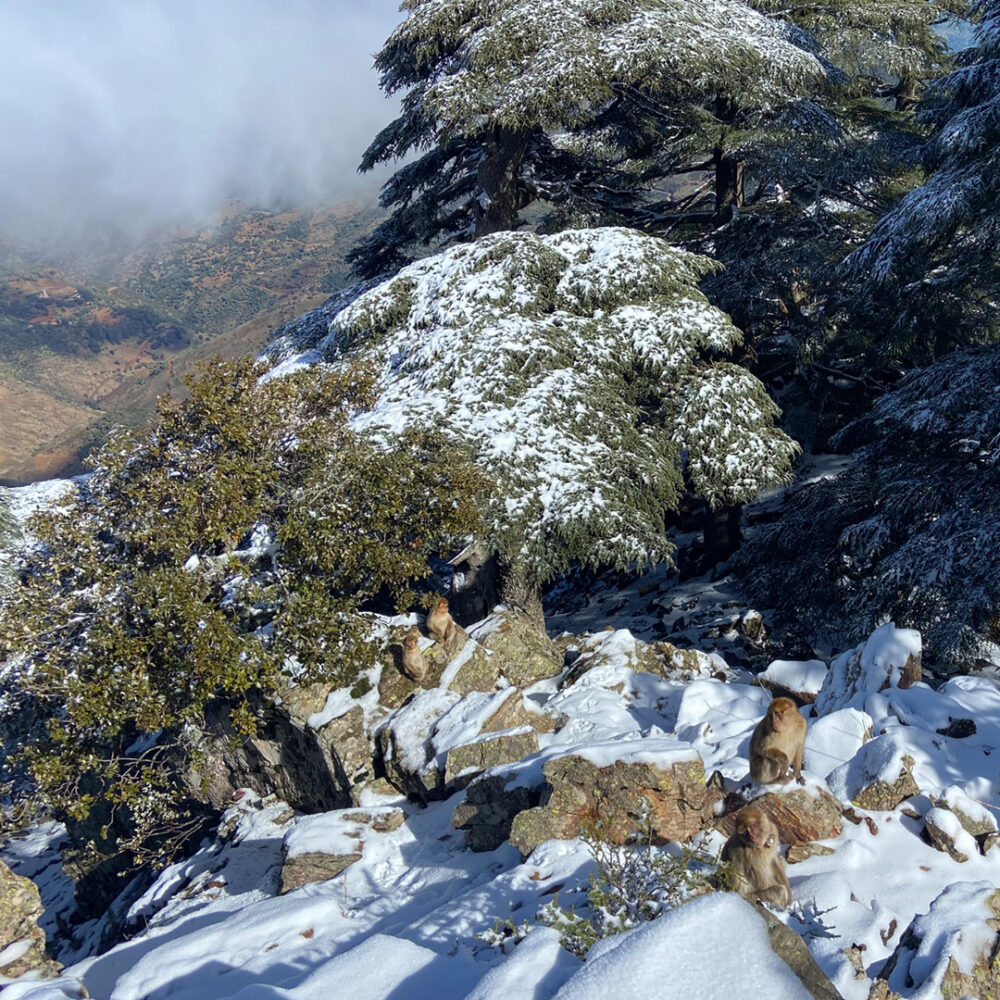
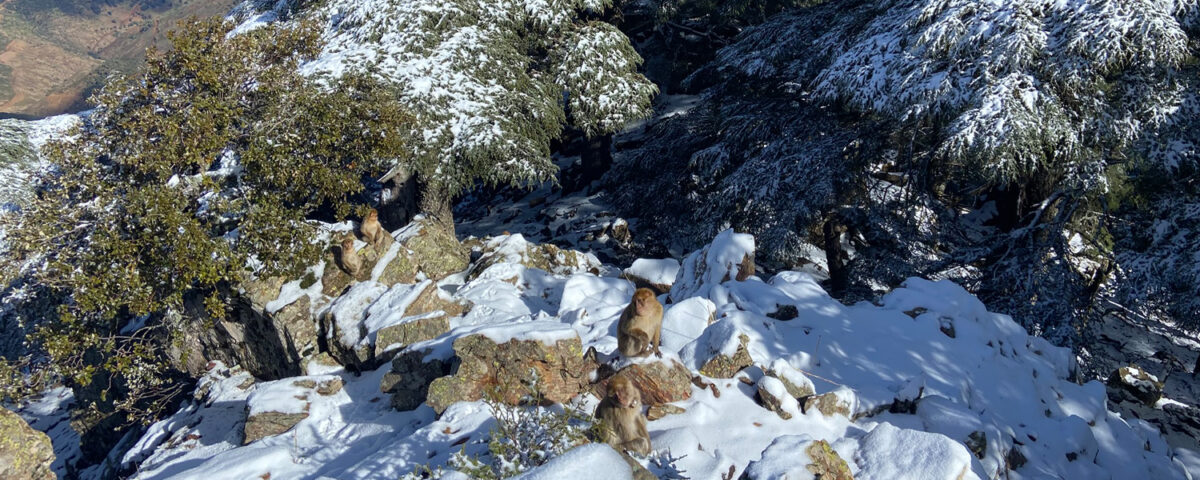
Barbary macaques in the snowy mountains.
We came across a group in snowy conditions, high on a rocky outcrop.
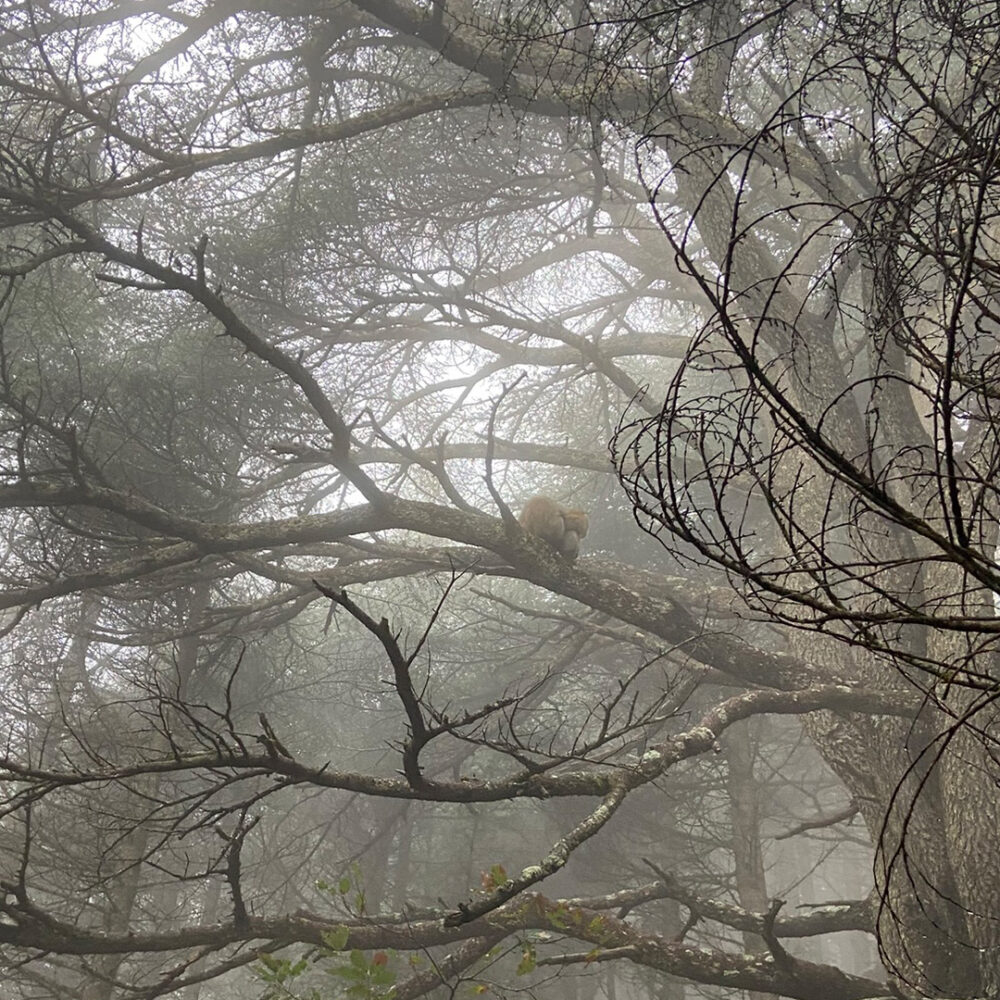
Barbary macaques on a tree branch in the fog.
Fog made it difficult to locate the animals.
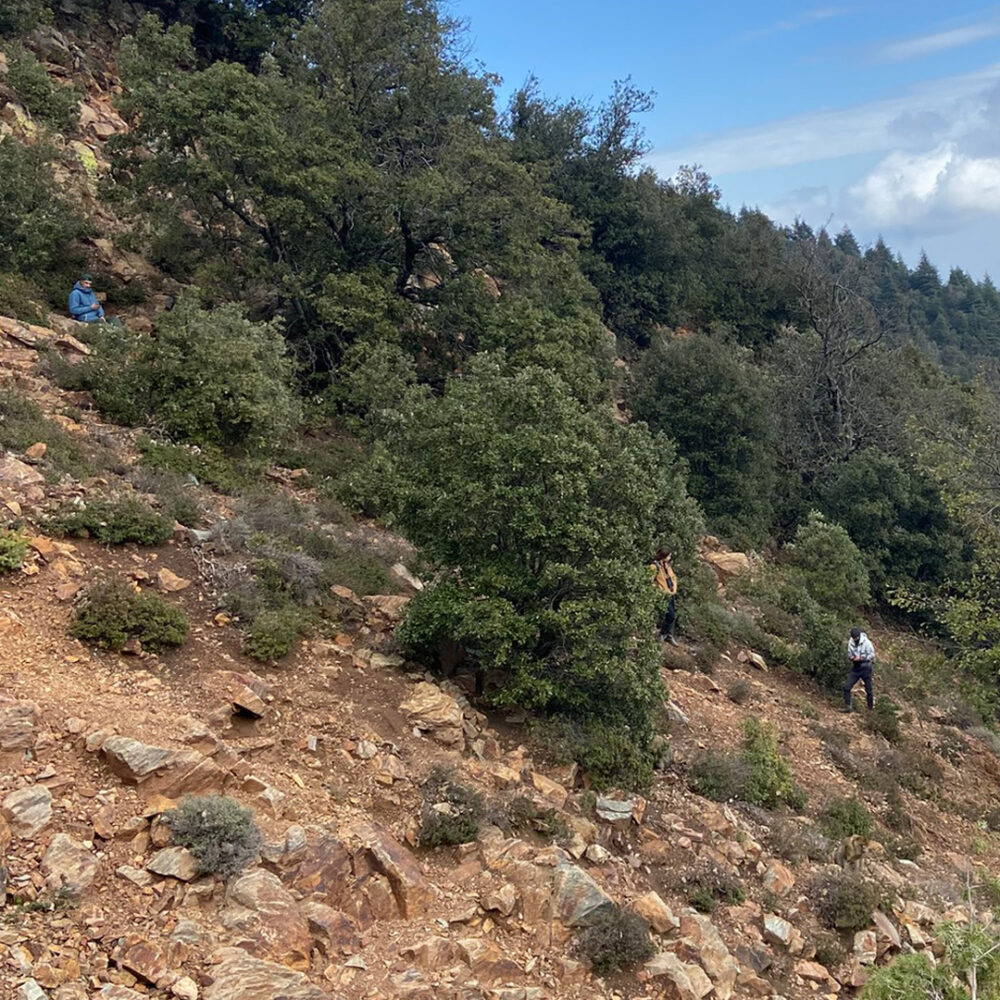
People on a mountain slope.
The field team searching using GPS.

Survivors of the severe winter

The nine known survivors are now divided into two groups. Two adult males, Omar and Medhi, have split off, perhaps in search of new companions. The other seven individuals are three young adults (Karim, Yassin, and Fati; two males and one female), two juvenile females (Habiba and Azhar), and two juveniles (Hakeem and Fahim).

Both groups are not far from each other, and we can track them thanks to their GPS collars. We will continue following them with the hope that, once weather conditions improve, they will reunite.

Meanwhile, monitoring the groups provides us with information about their behaviour, adaptation, diet and relationships. They spend most of their time searching for and finding food, with brief moments of relaxation where social interactions – such as grooming or play, in the case of the younger animals – can be observed, just as it should be in the wild.

Next steps

The field monitoring team is closely tracking the animals, and we are already preparing the second group of Barbary macaques rescued from illegal trafficking in Morocco for their upcoming release into the wild. We’ll tell you more about this group – the “Meknes group” – soon.

The hope of giving rescued Barbary macaques a second chance in the wild and helping the species return to Tazekka Natural Park is the driving force behind the Born to Be Wild project.

Thank you to the organisations making this project possible: ANEF – Agence Nationale des Eaux et Forêts (Moroccan National Agency for Water and Forests), Liverpool John Moores University, and the University of Rennes; and especially to the monitoring team, the park’s eco-guards, and the team at the rehabilitation and resocialisation facility. Without them, the possibility of returning Barbary macaques rescued from poaching and illegal trafficking to the wild would not be possible.

More information about Born to be Wild

Background Born to be Wild

Learn more about the barbary macaques, their habitat, and why AAP, in collaboration with partners, established the Born to be Wild project in 2017.

Ifrane National Park

Rangers monitor the largest - and last - population of wild Barbary macaques day and night at Ifrane National Park.

Other news