Women with a chimpanzee

‘Chimp Crazy’ and the hope for change

Documentary series such as Chimp Crazy and Tiger King play a crucial role in exposing the disturbing reality of keeping wild animals as pets, as well as the tragic fate of chimpanzees and big cats used in entertainment. What begins as compelling television can evolve into a powerful driver of public awareness and legislative change. But can Chimp Crazy, like Tiger King, truly help improve animal welfare?

A Subtle Yet Powerful Call to Action

Chimp Crazy offers a confronting look at what happens when chimpanzees and other primates are kept in domestic environments where they do not belong. From dangerous interactions with humans to appalling living conditions, the series paints a stark picture of the consequences of private ownership.

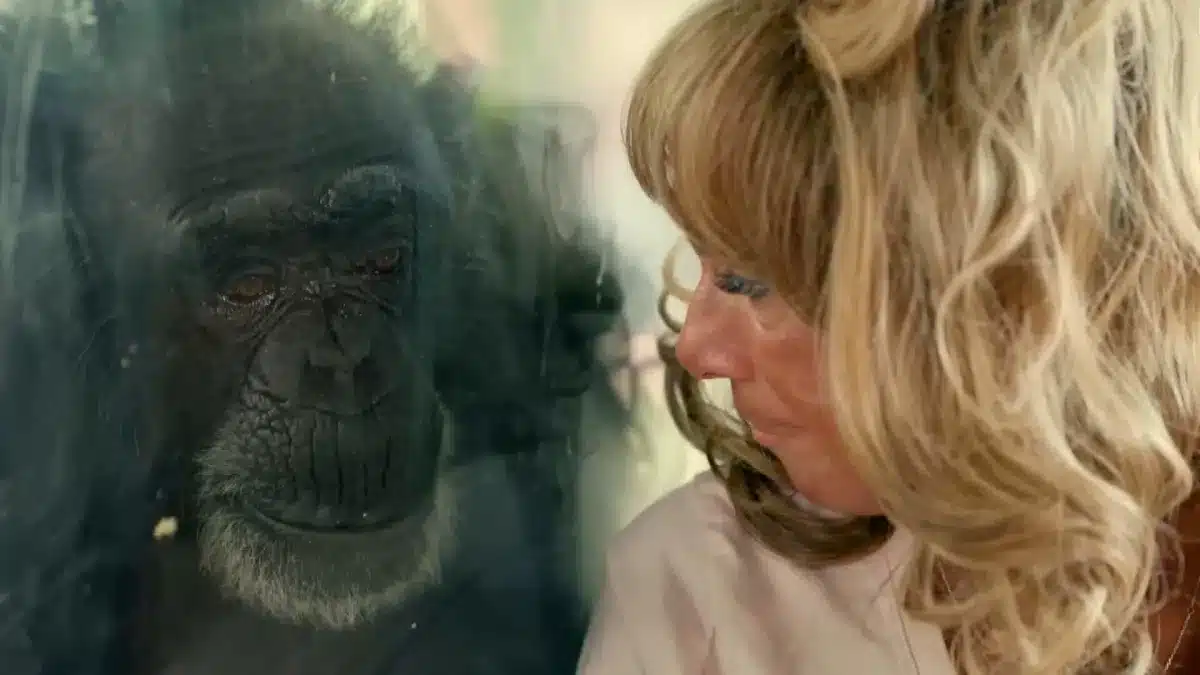
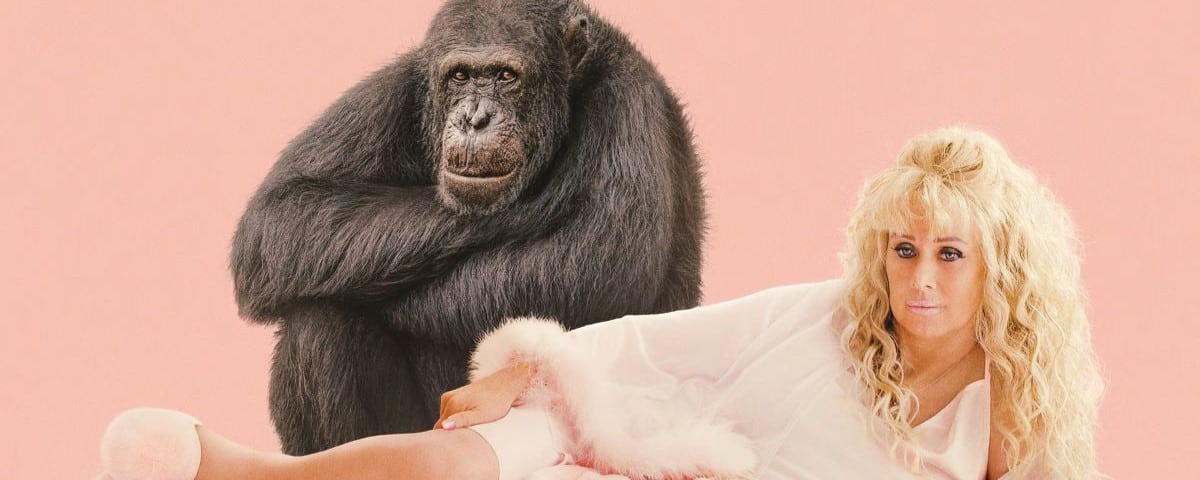
A women and a chimp
Chimpanzee Tonka with Tonia Haddix in the HBO series Chimp Crazy.

Beyond raising awareness, the series serves as a veiled call to action — particularly aimed at lawmakers in the United States. And that call appears to be gaining traction.

For instance, Chimp Crazy has supported the efforts of animal welfare organisation PETA in highlighting the exploitation of chimpanzees, including the high-profile case of the missing chimpanzee Tonka. The series has also helped draw attention to the Captive Primate Safety Act, a proposed law aimed at regulating the private ownership of primates.

Just as Tiger King contributed to the eventual passing of the Big Cat Public Safety Act in the US, there is hope that Chimp Crazy will inspire similar legislative progress for primates.

Why Stricter Legislation Is Essential

AAP’s Behavioural Biologist Kelly van Leeuwen: “Stricter laws and regulations regarding the keeping of chimpanzees and other primates as pets are essential to protect animal welfare and to give these animals the opportunity to express natural behaviours and meet their social needs.”

“Primates kept as pets are often separated from their mothers at a very young age and raised as if they were human children. They are housed in unnatural environments, fed inappropriate diets, and frequently deprived of contact with members of their own species. This leads to a range of serious welfare issues, including stress, anxiety, frustration, loneliness, poor social development, and abnormal behaviours. These conditions are not only detrimental to the animals’ mental and physical health but also pose risks to human safety."

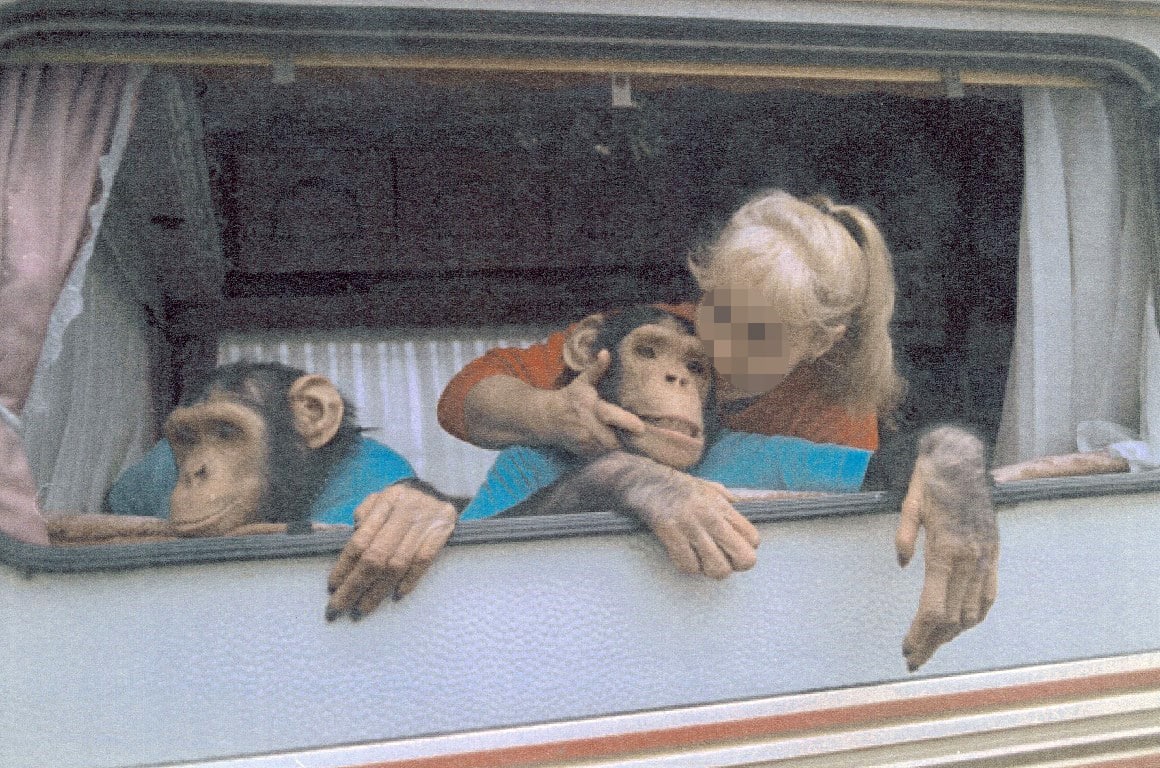
Two chimpanzees look out of a caravan window, together with a woman that hugs one of the chimpanzees.
Chimpanzees Peggy (left) and Babsie (centre) were forced to perform in circuses and lived in private homes. Both have been safe at AAP since 2001, where they now live dignified, peaceful lives.

Raising Awareness, Influencing Policy

By exposing the hidden suffering of wild animals kept as pets, documentaries like Chimp Crazy give a voice to animals who would otherwise remain unheard. They influence public opinion and place pressure on policymakers — paving the way for cultural and legislative change.

The Captive Primate Safety Act is a proposed bill in the United States that seeks to regulate and restrict the trade and private ownership of non-human primates (such as chimpanzees). Its aim is to protect both human safety and animal welfare. AAP continues to monitor developments in this area closely.

Fortunately, in the Netherlands, the private ownership of primates is already prohibited by law.

Mental or physical health problems

AAP’s research report The Darkness Behind the Spotlight further highlights the suffering of exotic animals used in circuses and other forms of entertainment. Between 2015 and 2021, 89% of animals rescued by AAP from European circuses were found to suffer from mental or physical health problems.

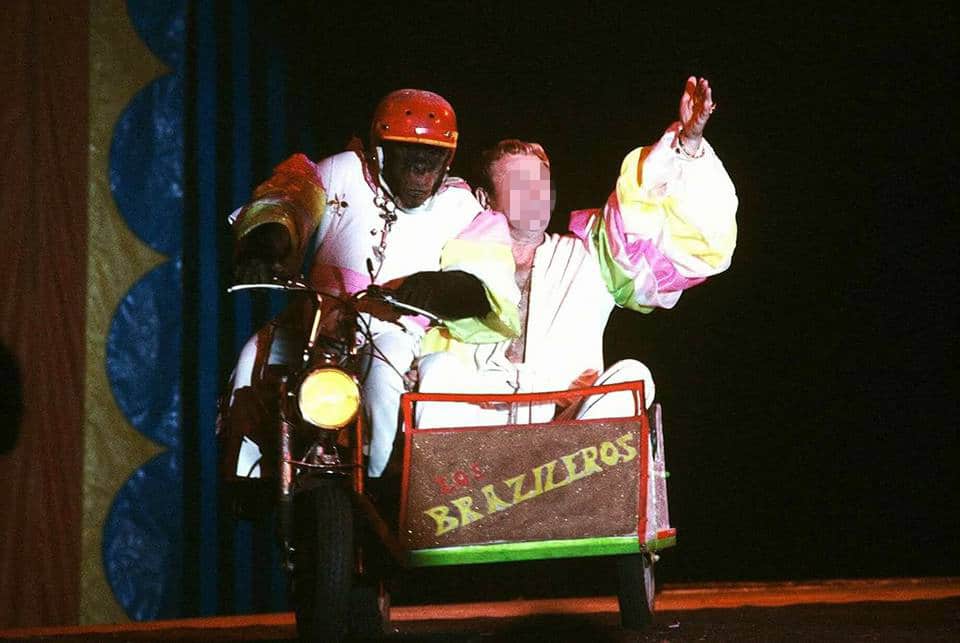
A chimpanzee drives a car with a person in it in a circus.
Over the years, many chimpanzees have been exploited for entertainment. Several of them now live at AAP, where they receive the care and respect they were long denied.

Other news