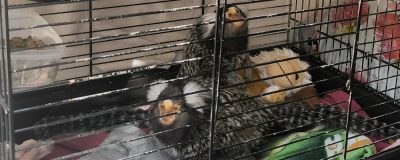
The new regulation will extend this protection to many more species. It marks a major step forward for wild animal welfare in Hungary and brings us closer to a Europe without wild animals in circuses. Most EU Member States have already implemented legislation restricting the use of wild animals, or all animals, in circuses.
Protection for more wild animals
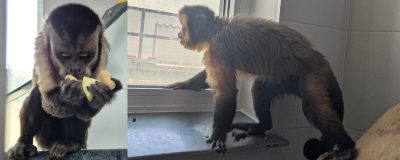
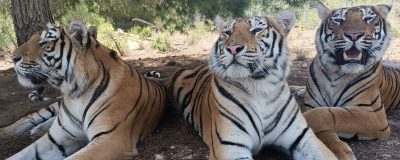
The extended restrictions cover elephants, big cats, primates, bears, seals and other marine mammals, giraffes, hippos, kangaroos, rhinos and tapirs, among other animals. Several groups of birds of prey and certain dangerous reptiles are also included.The rules apply to the listed species and to hybrids up to and including the fourth generation, preventing crossbreeding from being used to circumvent these new regulations.
Phasing out wild animals in circuses
From 1 January 2027, circuses will no longer be allowed to acquire animals covered by the regulation. Animals that were already being kept legally may remain in their current facilities under a transitional provision. However, all animals covered by the regulation may no longer be bred, newly trained, exhibited to the public or used in circus performances.
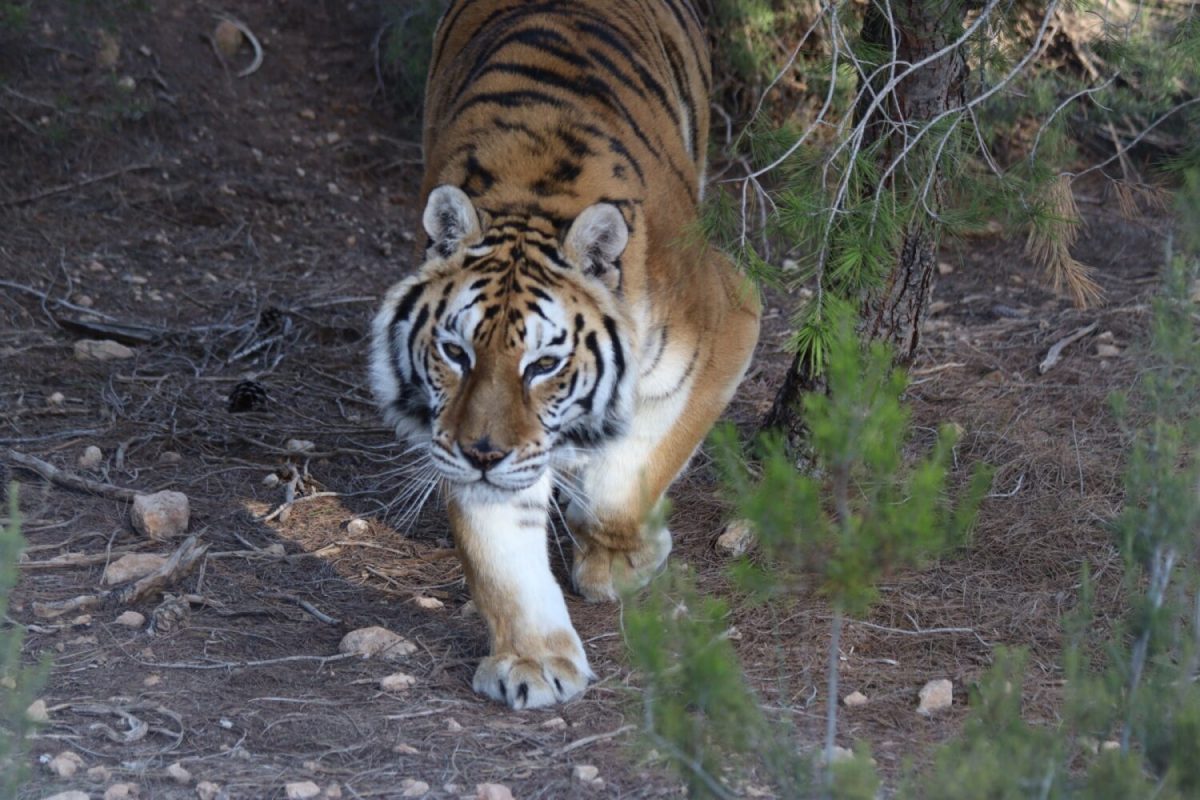
If a circus can no longer provide suitable care for these animals, AAP is always open to discussing solutions to relocate them to one of our rescue centres or another suitable sanctuary.
The use of the affected species in circuses will therefore be phased out. This will help prevent new generations of wild animals from entering a circus ring.
Wild animals do not belong in the circus
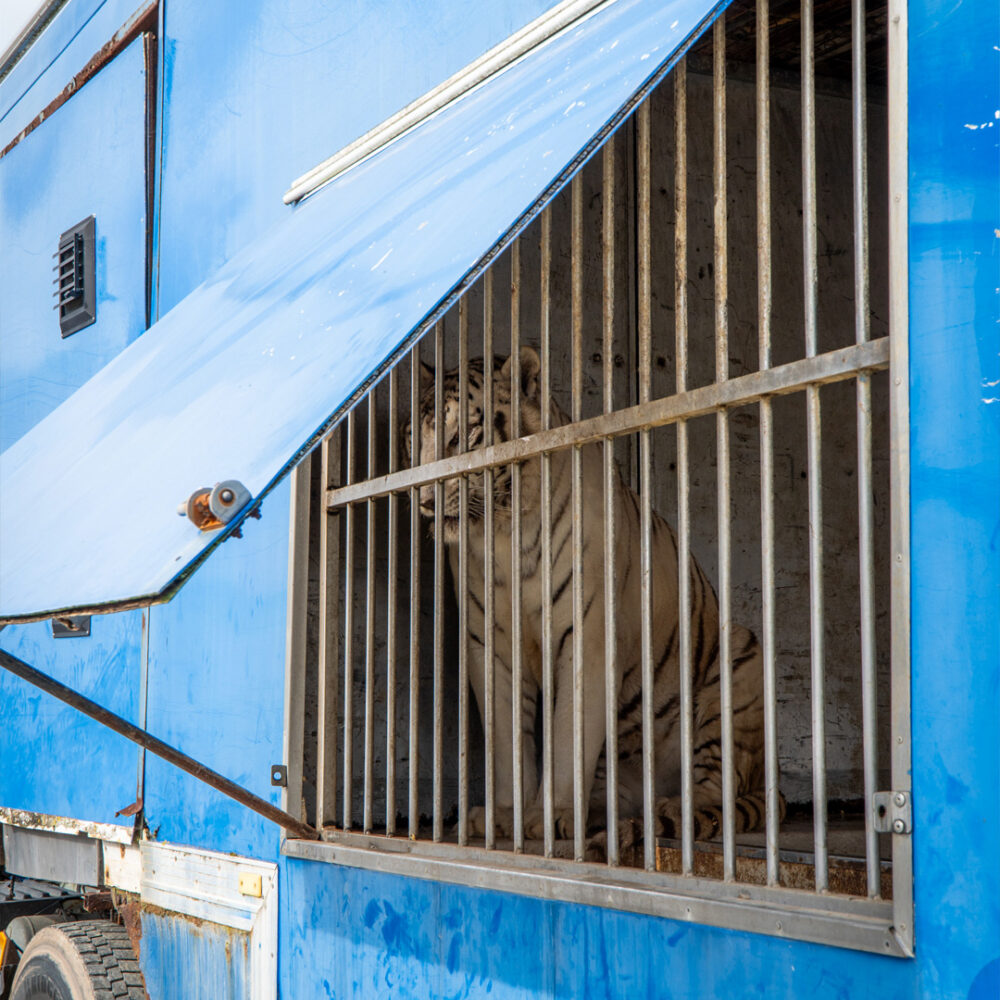
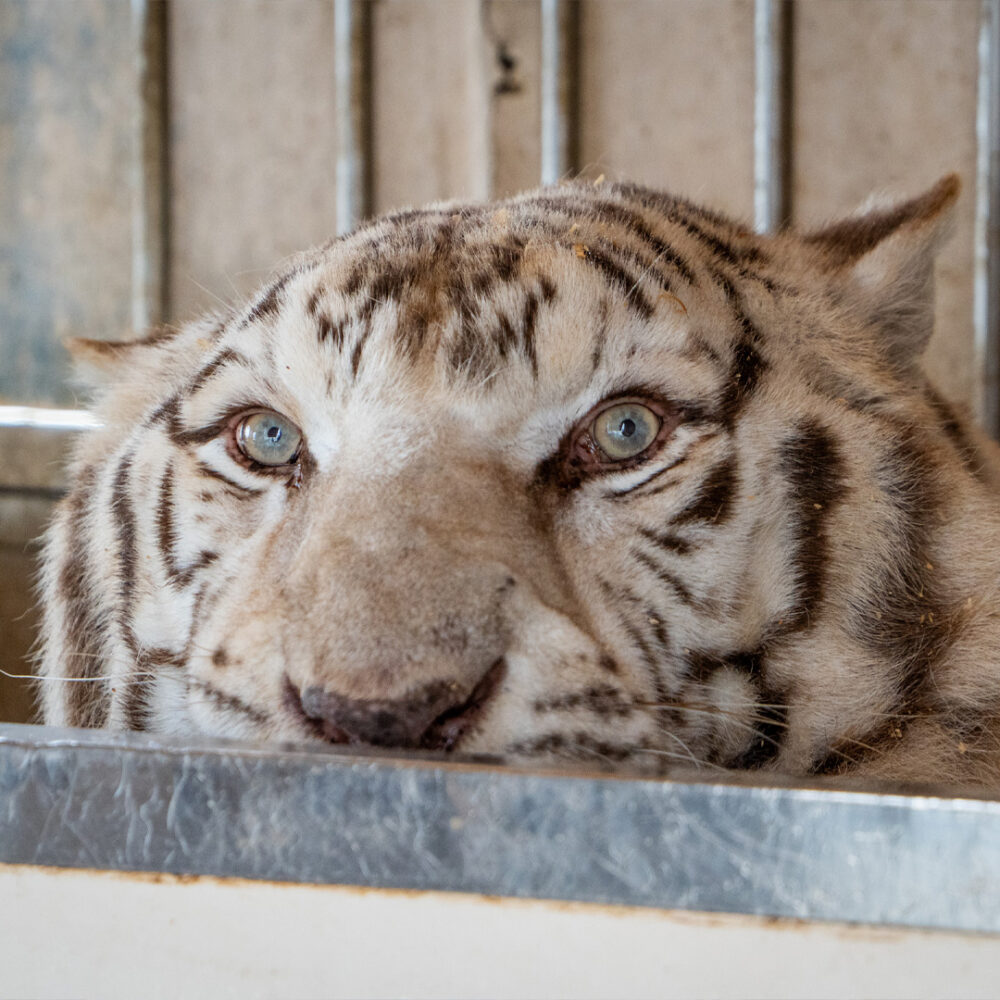
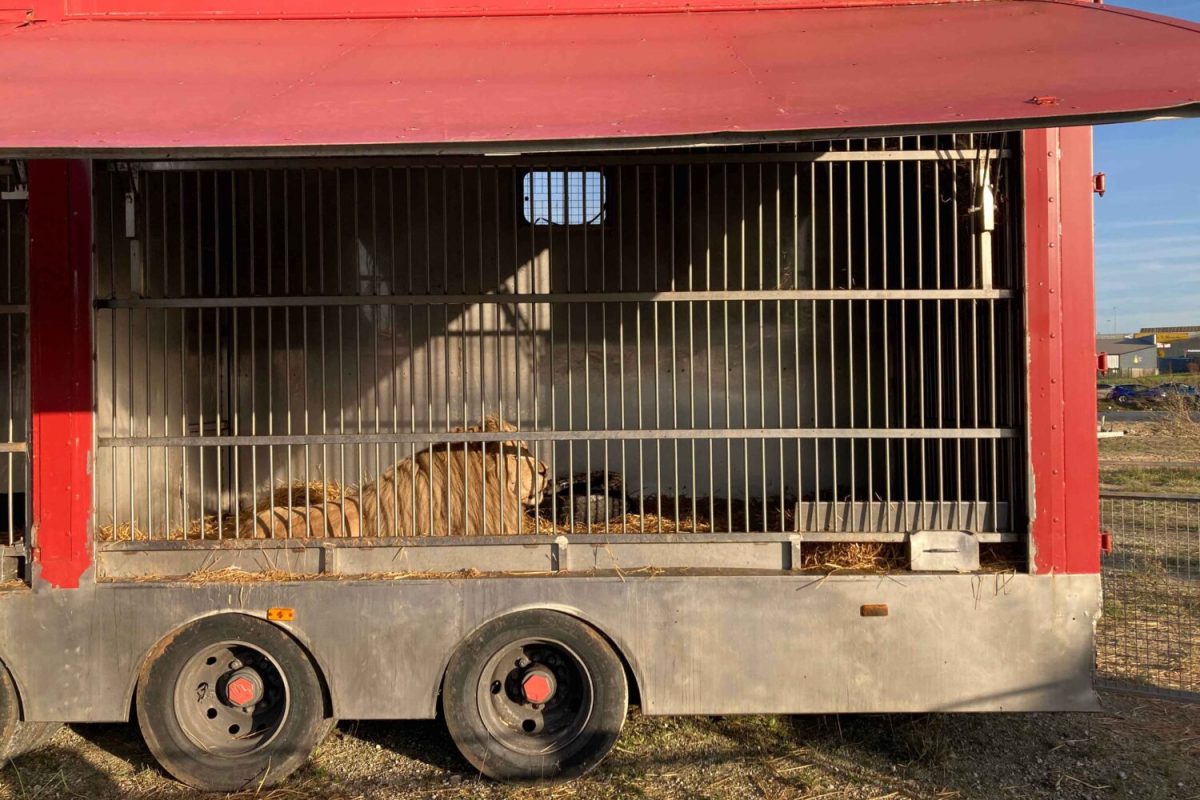
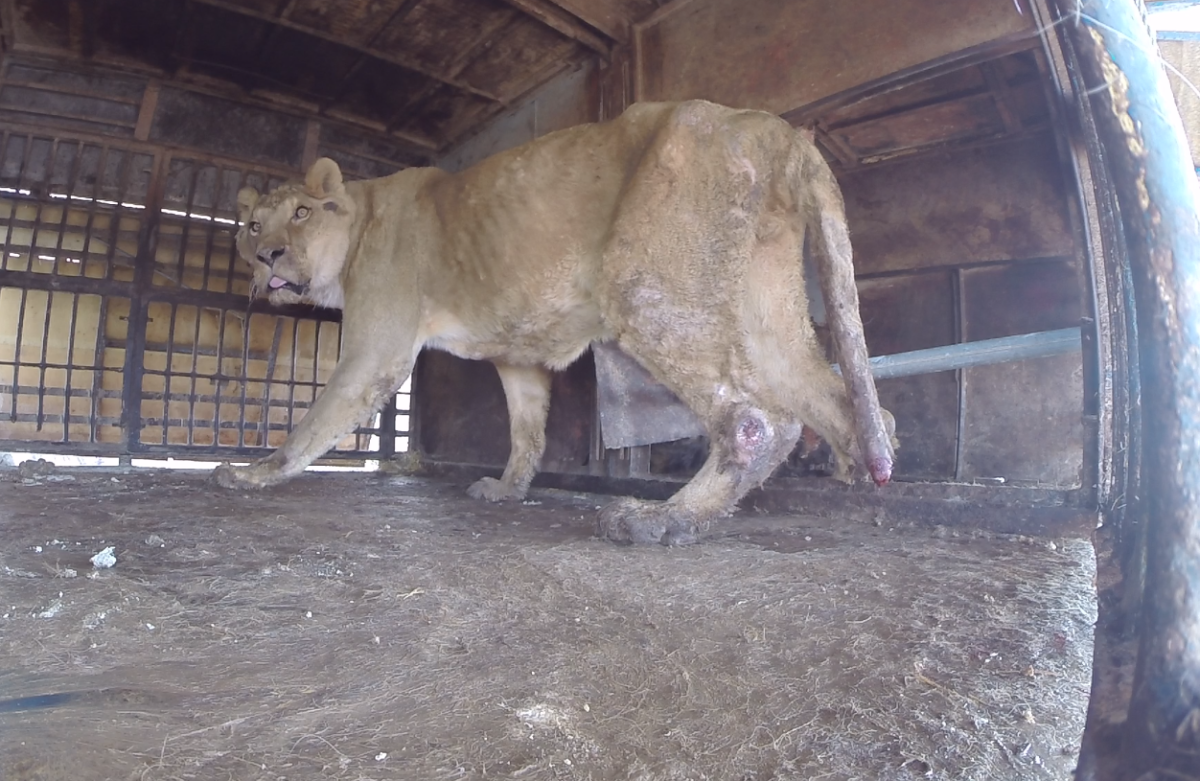
Wild animals have complex physical, social and behavioural needs. Frequent transport, temporary cages and repeated performances can severely limit their ability to express natural behaviour and may cause prolonged stress and other health issues.
Although the European trend is clear, wild animals are still used in circuses in some parts of Europe. Differences between national laws may also allow circuses to move animals across borders and continue operating in countries with less protective legislation.
By considerably extending its existing restrictions, Hungary is taking a major step forward. The reform brings us closer to a Europe where wild animals are no longer bred, transported and forced to perform for entertainment purposes.
Positive List
We also welcome the commitment of Tisza, the Hungarian governing party, to introduce a Positive List for the keeping of animals as pets. Such a list would specify which species may be kept, based on criteria, such as whether keeping them poses unacceptable risks to animal welfare, human health and safety, biodiversity or the environment. AAP stands at the ready to support this important work.We will continue to advocate for strong, effective and enforceable legislation throughout Europe. Because our position is clear: wild animals belong in the wild – not in circuses or in living rooms.