Rescue operations
Over the past year, we rescued various exotic mammals from living rooms and circuses. For example, we took in an entire family of no fewer than nine sugar gliders. The animals had been kept under a staircase by a Dutch family.
The silver foxes Yzma and Mazy were also rescued. A drag hunting association had used the animals for their urine and faeces for hunting. They were kept in poor conditions and in very unsuitable enclosures.
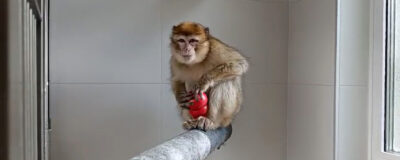
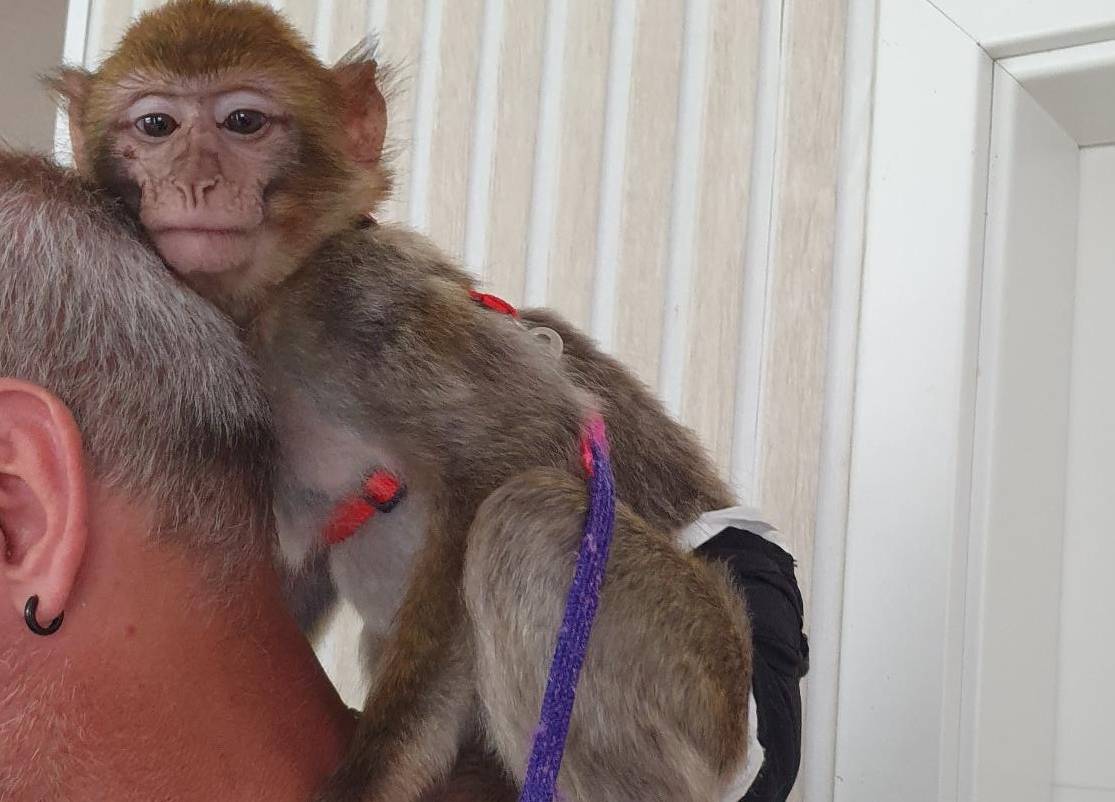
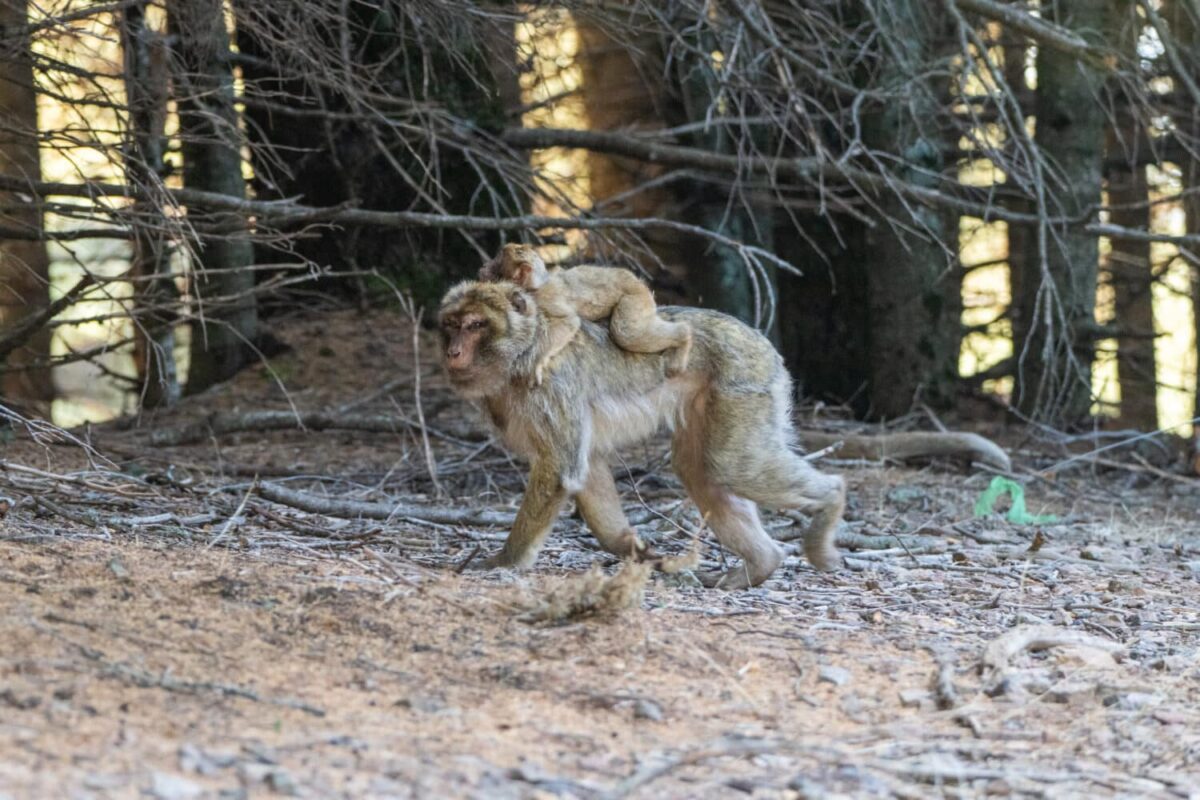
Barbary macaque Chitto had been given as a birthday gift by a German family, along with a pack of nappies, a harness and a cage. Chitto was only a few months old when he was taken away from his mother. As a pet, he quickly became attached to his owner, but a Barbary macaque should grow up with other Barbary macaques. Fortunately, AAP was able to rescue him and successfully pair him with a foster mother.
A new home
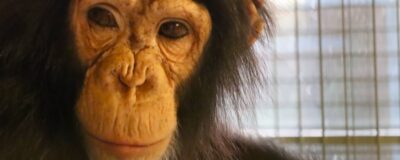
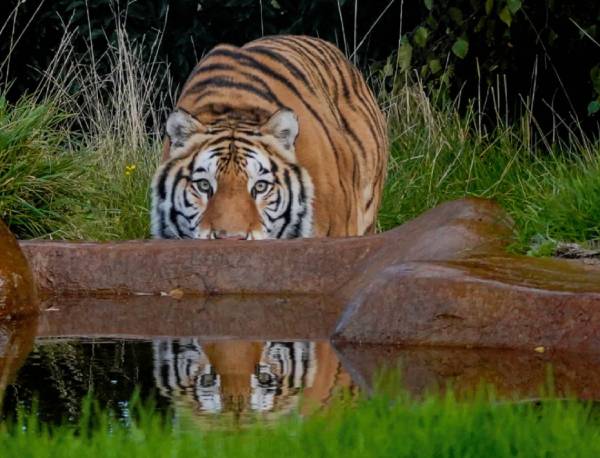
In 2025, we also found new homes for many animals. Tiger Aqua, who was rescued from a horrific transport in 2019, was given a beautiful home at Noah’s Ark in England. And for the first time in a long time, we outplaced chimpanzees: Bongo and Klaus were given a new home by La Vallée des Singes in France.
New mammal building
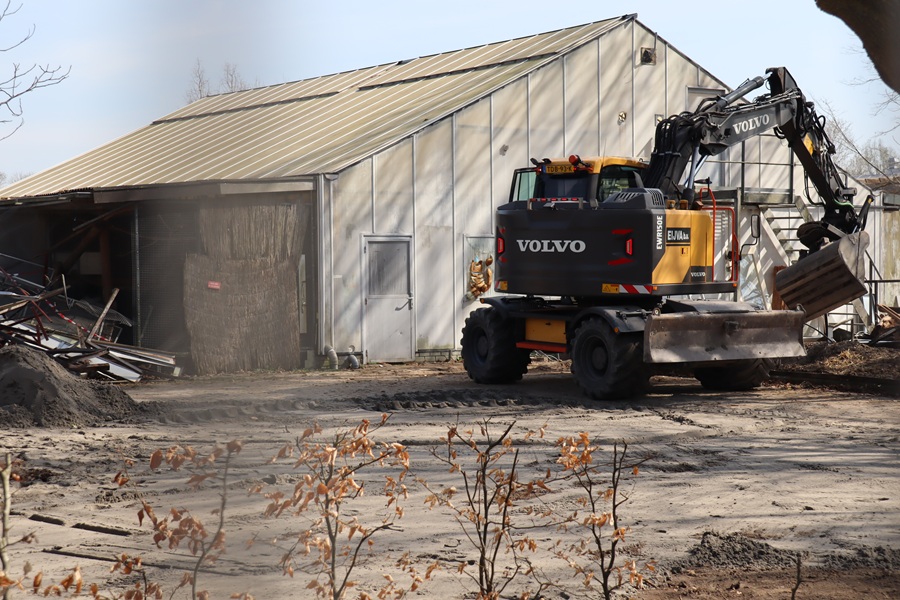
In 2025, we started construction on our brand-new mammal building. This marks the end of the tropical greenhouse that was built in just 48 hours in 1996 thanks to the television programme De Uitdaging with Angela Groothuizen. At the time, the greenhouse was mainly intended for small primate species, but over the years it also housed many other small mammals that require a tropical climate.
First Group of Barbary Macaques Returned to the Wild
Since 2017, AAP has been working in two national parks in Morocco to conserve the critically endangered Barbary macaque. Thanks to the Born to be Wild project – made possible in part by the National Postcode Lottery – we are working with the Moroccan government and partners to combat poaching and the illegal trade in Barbary macaques.The results are clear: more and more Barbary macaques are being intercepted and confiscated, and the number of animals being stolen from the wild is decreasing.
In addition, AAP has worked hard in recent years to rehabilitate a group of confiscated Barbary macaques. Step by step, we prepared them for their return to the wild – their real home! Last October, the very first group of Barbary macaques was released. A special milestone!