A skunk looking around a corner

AAP and Partners Rescue Four Abandoned Skunks in Catalonia

The Spanish Coalition for the Positive List (ANDA, FAADA and AAP Spain) has successfully rescued four skunks in Catalonia — three of them albinos — which have now been relocated to our rescue centre in the Netherlands following a temporary stay at the El Cau del Bosc shelter in Barcelona.

These skunks, a species native to North America, had been abandoned and were found roaming near areas where cats were being fed.

First rescue: Two skunk kits found in Cervelló

The first two skunks rescued were young animals discovered in the municipality of Cervelló. The alert came from ASGAT, the local animal protection association managing the cat colony where the skunks were spotted. ASGAT contacted Refugi El Cau del Bosc, whose volunteers captured the kits — one striped and one albino — using humane trap cages.

They were transferred to the shelter’s facilities, and AAP Spain offered to take them in.

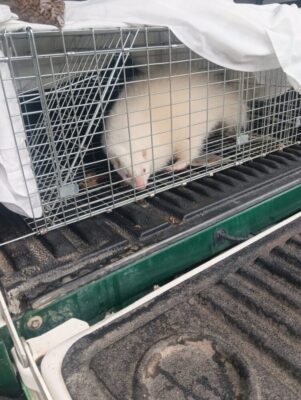
A skunk in a trap cage
One of the skunks in a trap cage.
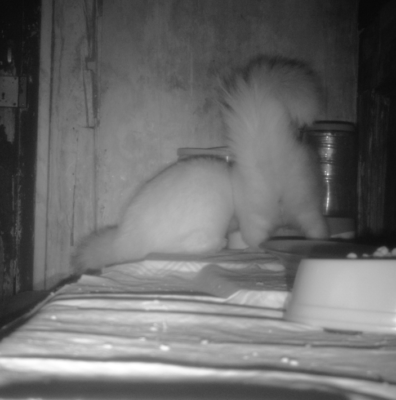
Two skunks on a night vision camera
The two skunks caught by the night vision camera.

Second Rescue: Two Albino Skunks in Sitges

Weeks later, residents in Sitges reported seeing a white animal feeding near a cat colony. FAADA responded and requested assistance from the Rural Agents, who provided trap cages and a night-vision camera. Footage confirmed the presence of not one but two albino skunks visiting the area regularly. AAP agreed to take in these animals as well, and after their capture, both were temporarily housed at El Cau del Bosc while the paperwork for their transfer was completed.
Their New Home at AAP
On 5 December, the four skunks arrived at AAP’s rescue centre in the Netherlands. During their quarantine period, they will receive specialised veterinary care in facilities tailored to their species, complete with optimal environmental enrichment.
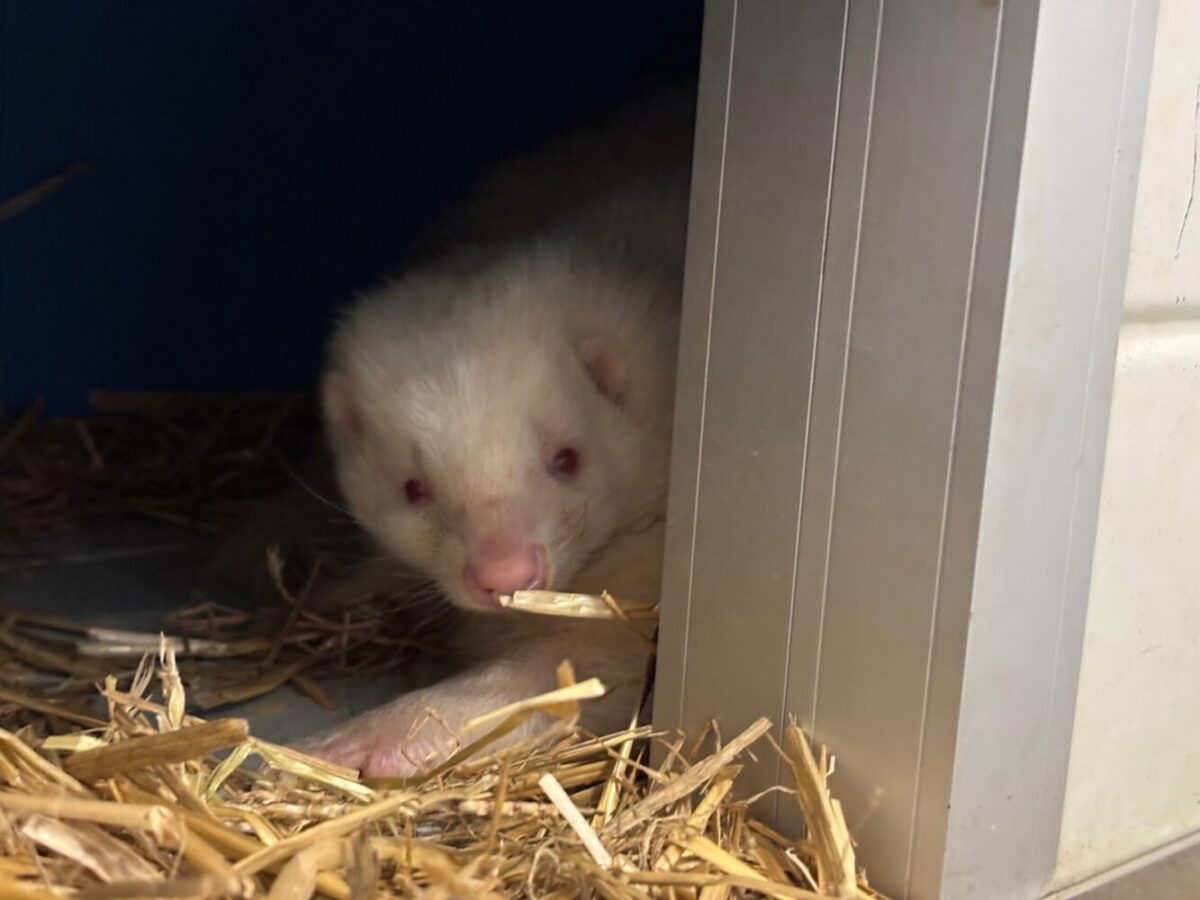
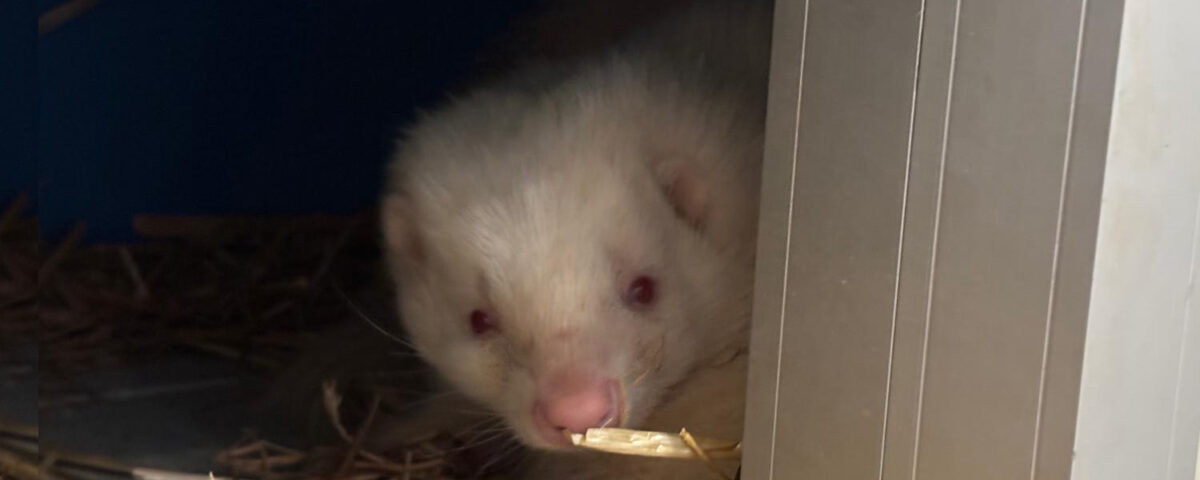
A skunk looking around the corner
Skunk Francis at AAP.
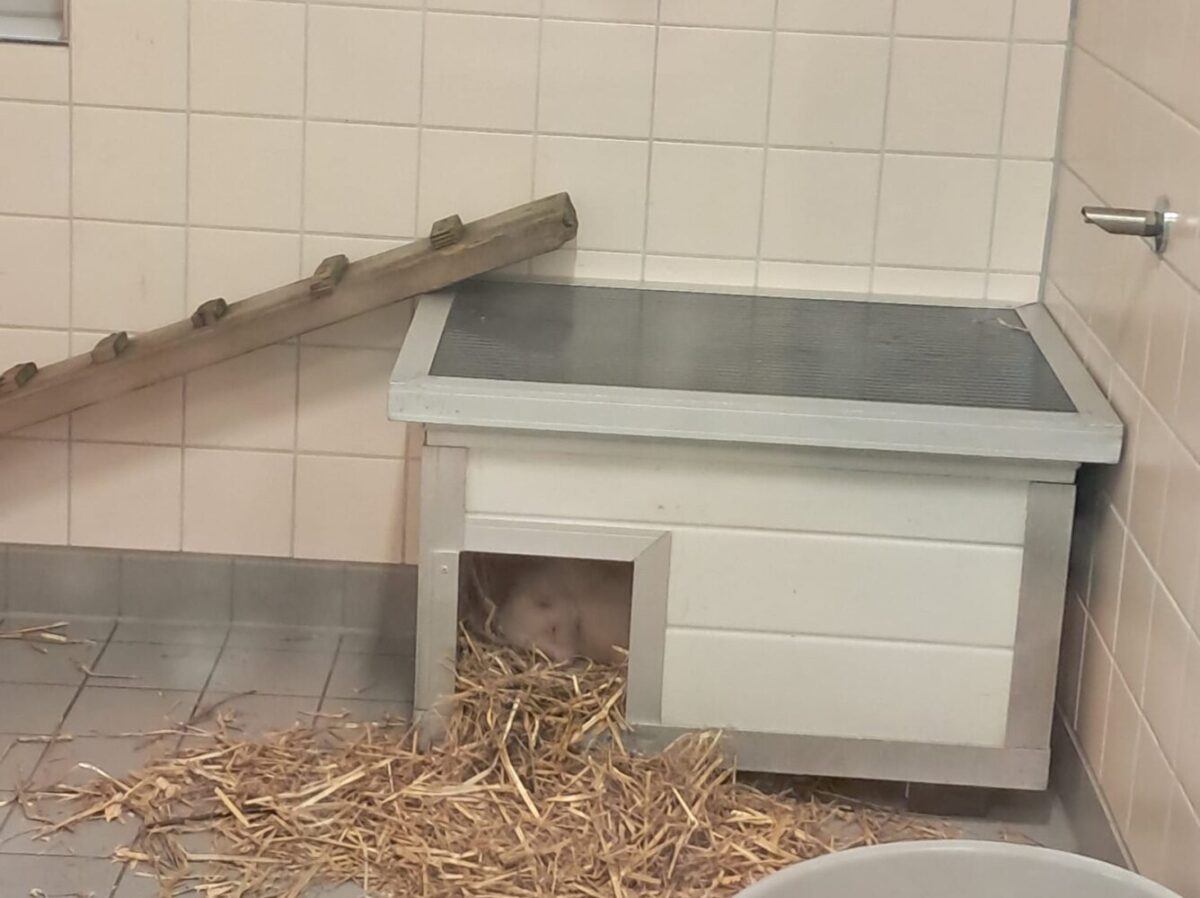
A skunk in a little house in a tiled room.
Skunk Francis at AAP's quarantine.
A Happy Ending — But a Growing Problem

In this case, swift intervention ensured the animals’ welfare. Sadly, many other exotic mammals are not so fortunate.

The rise in exotic pet ownership, driven by social media trends and the ‘cute’ appeal of these animals, continues to result in irresponsible purchases, abandonment, and risks to biodiversity, public health and safety. Species such as sugar gliders, fennec foxes, servals, raccoons and meerkats are frequent victims of this trend, despite the fact that their needs can never be met in a domestic setting.

These four skunks will be provided with a brighter future, thanks to the help of the individuals who alerted us and cared about the animals’ fate, the authorities, and the El Cau del Bosc shelter for its temporary accommodation and care.

About the striped skunk

A wild species unsuitable as a pet.

The striped skunk (Mephitis mephitis), native to North America, is easily recognised by its black coat with white V-shaped markings running from head to tail. It is a nocturnal, solitary mammal and an opportunistic omnivore. When threatened, it uses its anal glands as a defence mechanism, releasing an extremely unpleasant odour.

Other news