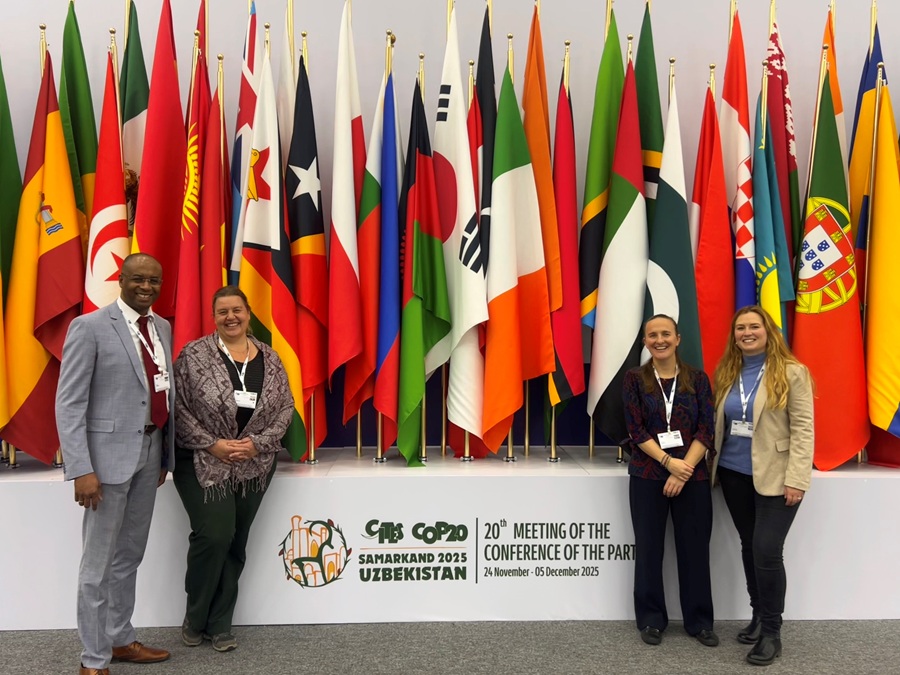
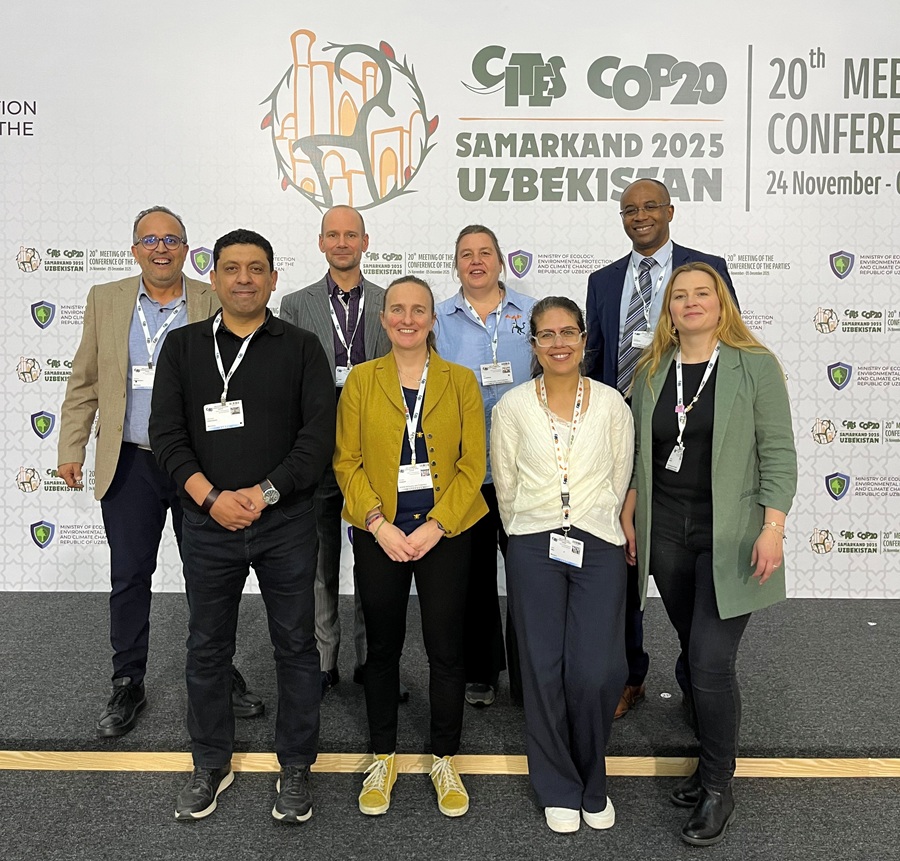
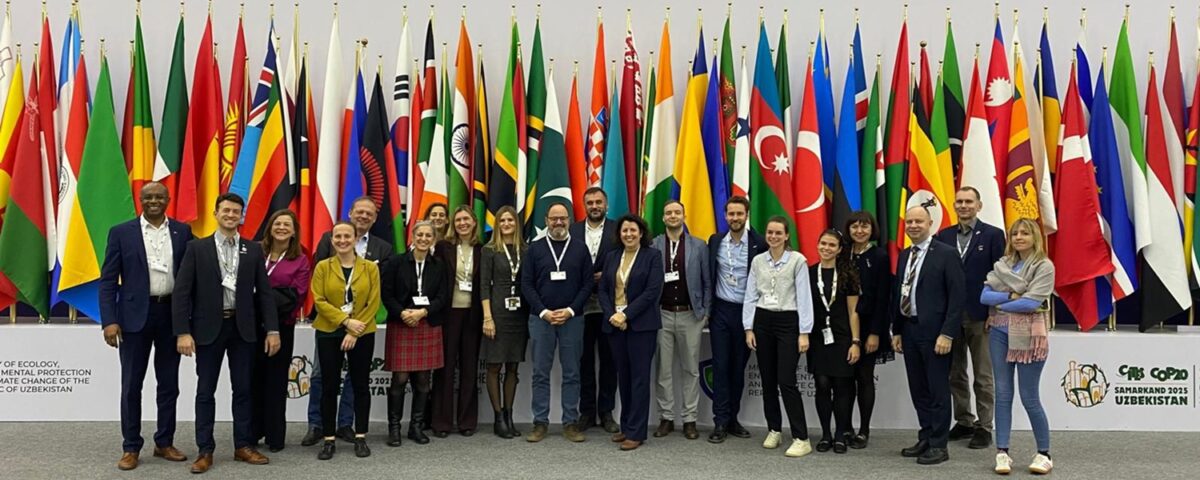

At the 20th CITES Conference of the Parties (CoP20) in Uzbekistan, governments adopted a series of critical decisions to strengthen international protection for wild animals. A delegation from AAP Animal Advocacy and Protection was on the ground in Samarkand, and alongside other NGO partners, actively advocated that species threatened by the international pet trade receive the safeguards they urgently need.
With 51 proposals and more than 100 working documents tabled for discussion, CoP20 demonstrated the power of collective, science-driven action over inaction.
Parties agreed to stricter protections for 28 species threatened by the international pet trade, including sloths, the golden-bellied mangabey monkey, the striped hyaena and several bird and reptile species.
Improving regulations for wild animals in captivity
Delegates advanced key measures on live transport, enforcement, zoonotic disease risks and the management of confiscated animals, important steps toward closing loopholes that have long enabled unsustainable and illegal wildlife trade, especially into major consumer markets such as the EU. Although a strong One Health resolution did not pass, the debate underscored the urgent need to address health risks linked to the wildlife trade.
Impactful Side Events: Linking Global Decisions to National Practical Solutions
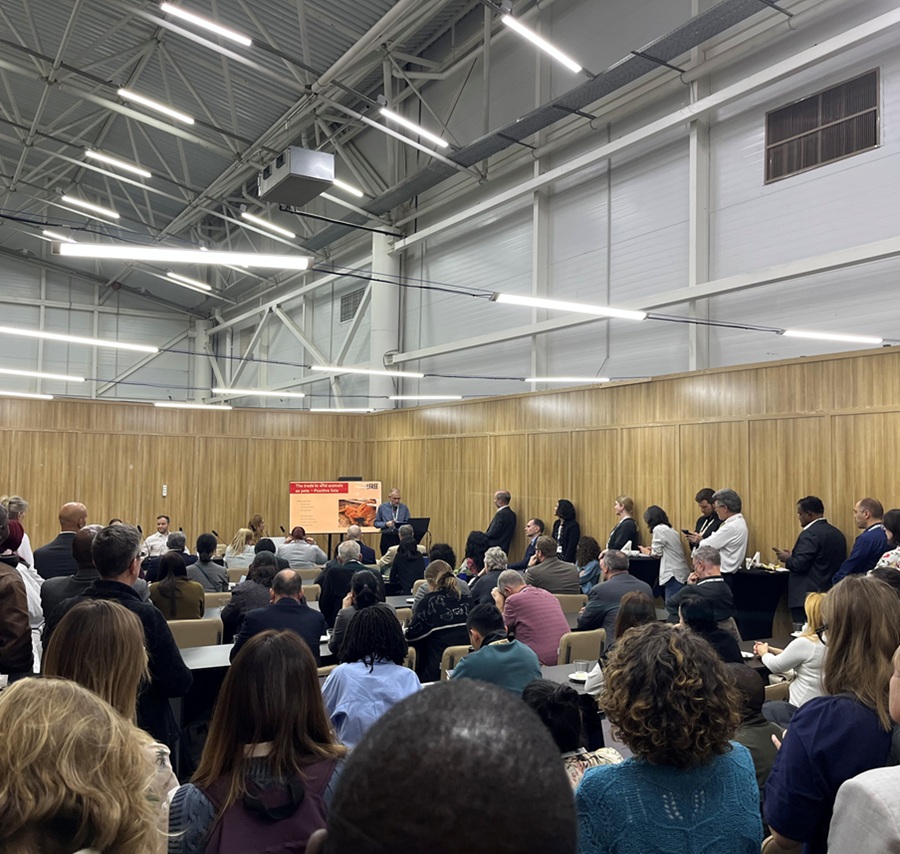
AAP co-hosted 3 side events which all attracted the interest of many government delegates, NGOs and international institutions. In addition to the insightful presentations delivered by expert speakers, there was rich discourse and engaging exchanges among the participants, leading to 3 general conclusions: a) CITES uplisting combined with strong national actions to protect species works, b) the EU’s TRACES system must be improved, c) CITES and Positive List regulation are complimentary frameworks and need to work together to better protect wild animals.“Uplisting to Release” – CITES and National Action Driving Success for the Barbary Macaque
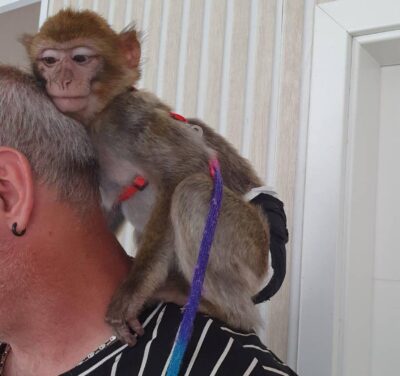
Co-hosted with Morocco and Utrecht University, this event provided participants with a deep understanding of how the uplisting of the Barbary macaque to Appendix 1 combined with coordinated enforcement, political will, education and community mobilisation have helped to significantly reduce the illegal trade of the species.
Participants, which included government delegates from range states and consumer countries, NGOs and other institutions, engaged with the expert panel to obtain details about the model and how it can be replicated for other threatened species.
“Rethinking Trade Data” – Exploring Solutions to Strengthen Wildlife Trade Data
Hosted in collaboration with the Dominican Republic, Eurogroup for Animals, IFAW and Fondation Franz Weber, the expert panel highlighted how inadequate species-level data hinders effective protection and informed decision making.
With practical solutions being presented, including improvements to the EU’s TRACES system and insights from the US LEMIS database, the event marked an important step in advancing global efforts to improve wildlife trade data.
“Wild Animals Not Pets” – Ensuring Responsible Pet Ownership Through Positive Lists
At this event, co-hosted with Eurogroup for Animals, the expert speakers provided clear arguments as to why Positive List regulation is the most effective, proactive tool to prevent animal suffering, protect biodiversity, and support enforcement, and how the CITES framework and Positive List regulations are complementary mechanisms and can work together.
MEP Manuela Ripa and the panellists acknowledged the measures that a range of states were implementing to protect wild animals and called upon the EU, as a major consumer market for exotic pets, to step and take a leadership role in the implementation of stronger regulations for the wildlife pet trade.
Attending the event were government representatives from Europe, Africa, Asia, North and Latin America, multiple NGOs and international institutions. Several officials approached the speakers at the end of the event to request more information and assistance to implement the Positive List regulation in their countries.
Conclusion
The AAP delegation was successful in raising the organisation’s visibility on the global stage, and made great progress in getting the Positive List on the CITES agenda. The high number of delegates who attended the side events and the many important contacts made with various stakeholders, show that AAP’s approach to end the suffering of wild animals traded and kept as pets is relevant.
In general, CoP20 showed what is possible when governments work together with ambition and scientific determination. From new species protections to growing global recognition of the need for proactive national measures, the momentum is clearly building.