
World Cotton-top Tamarin Day
Today we celebrate World Cotton-top Tamarin Day – a day to raise awareness for the cotton-top tamarin (Saguinus oedipus), a small primate about the size of a squirrel. This critically


Today we celebrate World Cotton-top Tamarin Day – a day to raise awareness for the cotton-top tamarin (Saguinus oedipus), a small primate about the size of a squirrel. This critically
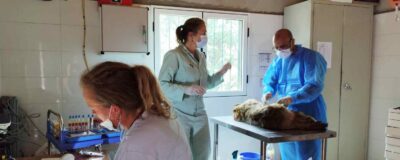
BLOG Hester van Bolhuis Veterinarian At the end of September, it will finally happen: The first group of Barbary macaques from our Born to be Wild project will be returned

On World Lion Day, we reflect on the remarkable first year of the nine lion cubs rescued by AAP from a circus in France at the end of 2024. Born
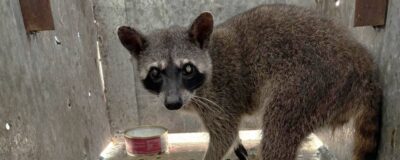
A curious crab-eating raccoon boarded a large container ship in the Port of Panama last month. The crew of the Maersk Bintan discovered the unexpected stowaway during their voyage from

A young male caracal has arrived safely at our AAP Spain rescue centre, following a 16-day journey through the fields of Cádiz. SEPRONA (the Spanish Nature Protection Service) and the

Sad news about sugar glider Mango. We recently found him lifeless in his enclosure. After examination, it appeared that Mango had a haemorrhage in his abdomen. Mango was brought to

On World Chimpanzee Day, we reflect on the lives of rescued chimpanzees living at AAP. Their past? They spent years as pets, in the entertainment industry, or as laboratory animals.
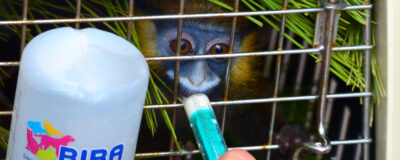
Every July 6, World Zoonoses Day is celebrated to raise awareness about infectious diseases that can be transmitted back and forward between animals and humans, i.e., zoonoses. These pathogens can
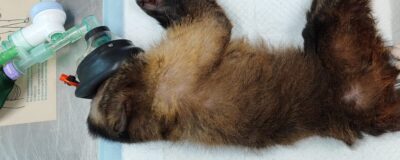
Black-capped capuchin Capitán was brought to our rescue centre in Spain a week ago. He recently had his first check-up with our vet and received his first vaccinations. Because Capitán
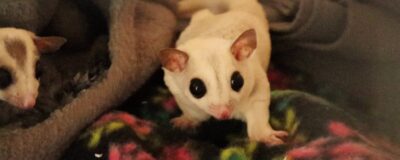
Recently, no fewer than nine sugar gliders were brought to our rescue centre in Almere. The animals were living under the stairwell of a family home in the Netherlands. Purchased
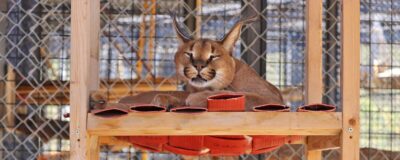
AAP regularly takes in small cats with a lonely past as pets. Most of them are servals, but sometimes we also rescue caracals. Earlier this year, two caracals arrived at

Tigers Nashik (formerly Tonga) and Mara have been used for entertainment with the public their entire lives. Visitors of the German Filmtierpark Eschede could take photos with the animals and